
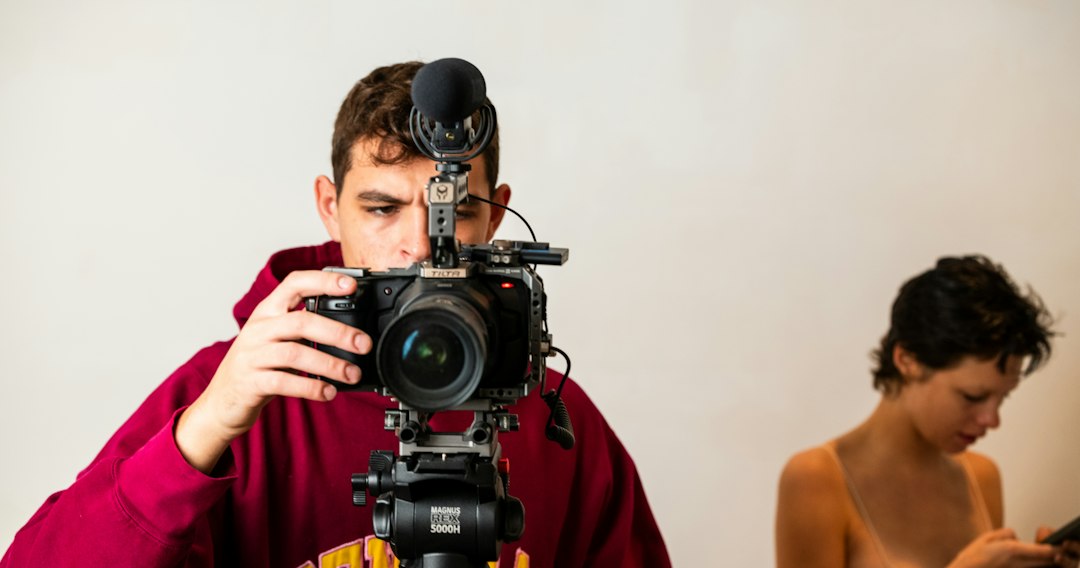
Photo by Michael Moloney on Unsplash
A two-day landscape workshop in Sedona costs you $380 in venue rental, $150 in liability insurance, $100 in model fees for the golden-hour portrait session, and twelve hours of prep time you never billed. You charged $275 per seat for eight participants. Run the math: $2,200 in revenue against $630 in hard costs, before you pay yourself for three weeks of location scouting and email threads answering questions about the join code. Photography workshop pricing built on "what does everyone else charge" instead of what the experience actually costs is why working photographers teach at a loss and call it a side income stream.
Why Photography Instructors Leave Money on the Table
Most photographers set rates by scanning three competitor websites and picking a number in the middle. That approach ignores the actual cost structure of running a workshop: studio or location rental, equipment insurance, model fees, printed materials, and the twenty to thirty hours of prep time that happen before anyone shows up with a camera. A survey of comparable creative workshop markets (cooking classes, ceramics intensives, writing retreats) shows instructors underpricing by 20 to 30 percent compared to actual cost-plus-labor calculations. That gap doesn’t show up on a single invoice. It shows up over a year of workshops that barely cover expenses and leave nothing for the instructor’s time.
The Math: Cost Plus Value, Not Cost Plus Margin
Start with direct costs: venue, materials, model fees, your leader time valued at a real hourly rate. Say that totals $400 for a one-day session. Don’t just add 20 percent margin and call it done. Add a value multiplier based on the outcome you’re delivering. A beginner technique workshop, where participants learn aperture and composition basics, justifies a 1.5x multiplier. A $400 cost base becomes $600. An advanced portfolio critique session, where eight working photographers leave with edited images and a clear direction for their next body of work, justifies a 2.5x multiplier. That same $400 cost base becomes $1,000. The difference isn’t class size or your reputation. It’s the specificity of the transformation you’re selling.
Positioning by Participant Outcome, Not Class Size

Eight photographers getting one-on-one portfolio feedback they can apply the next morning will pay $150 to $200 per seat without blinking, because the outcome is concrete and immediate. Thirty beginners sitting through a lecture on exposure triangles should not command that same rate, even if your name recognition is identical in both rooms. Price anchors to outcome clarity. If a participant can describe exactly what they’ll walk away with, they’ll pay more for fewer seats than for a crowded room with a vague promise of "improving your photography."
Testing Price Points Without Guessing
Stop asking colleagues what they’d charge. Raise your rate 15 percent on your next workshop and watch enrollment velocity, not just final headcount. Seats filling in under 72 hours, with a waitlist forming by day four, means you’re still underpriced. Enrollment dragging to day seven with half-empty seats means you found the ceiling, or close to it. Run this test every two or three workshops instead of setting a number once and defending it for three years out of habit.
How Wayfield Removes Pricing Friction

Running four or five workshop types a year with different pricing tiers gets messy fast when you’re tracking everything in a spreadsheet that lives in three different versions across your laptop and your phone. Wayfield lets you set your rate once per session type and adjust independently: beginner technique workshops at one price, advanced portfolio critique at another, one-on-one critique sessions priced separately from group formats. Commitment dates sit next to enrollment numbers in the same view, so you can see in real time whether a session is tracking toward a sellout or needs a push before the deadline closes. No toggling between a pricing doc and a registration form to figure out if you’re on pace.
Premium Pricing Signals That Work
Cap the cohort at twelve participants and say so in the session description. A hard limit communicates that the experience is worth protecting, not just worth filling. List leader credentials directly where participants register: published work, gallery shows, magazine credits, specific technical specialties. Vague bios read as filler; a line like "featured in Outdoor Photographer, 2023" reads as proof. Charge for material kits upfront rather than folding the cost into a vague "supplies included" line. Each of these choices signals scarcity and seriousness, and participants price-match their expectations to match.
Common Pricing Mistakes and Fixes
Early-bird discounts feel generous but train your audience to wait for a deal instead of committing early because they want the seat. Fix: charge full price from day one, cap early enrollment at a fixed number of seats, and close registration on a hard date regardless of how many spots remain open. Seasonal workshops underpriced to "just fill seats" attract participants who show up unprepared, skip the pre-session reading, and drag down the experience for everyone who paid full attention to the sign-up details. A lower price doesn’t widen your audience. It changes who shows up, and not for the better.
Start your first workshop free at wayfield.app/getting-started, no credit card required.
Recommended Resources
digital cameras
Referenced as core equipment participants bring to landscape and portrait photography sessions.
tripods
Essential stabilization tool for golden-hour portrait and landscape technique instruction.
studio lighting
Relevant for controlled lighting setups in portrait critique and technique workshops.
As an Amazon Associate, Wayfield earns from qualifying purchases. Clicking and buying through these links supports this content at no extra cost to you.




Leave a Reply