
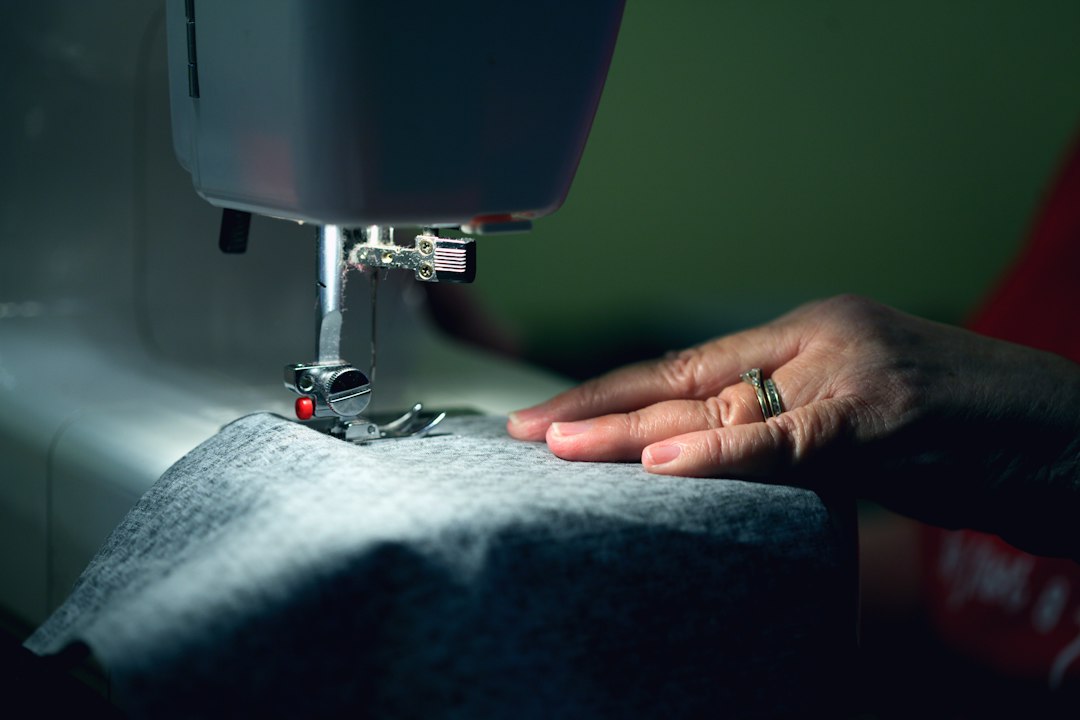
Photo by Alexander Grey on Unsplash
You sign up for a "beginner-friendly" sewing workshop. Three hours in, everyone else is finishing French seams while you’re still trying to figure out which way the fabric goes under the presser foot. You paid $85 for a Saturday you’ll never get back, and you leave more discouraged than when you started.
This happens constantly with sewing lessons for beginners, and it’s rarely about talent. It’s about mismatch. The workshop was built for someone with six months of sewing under their belt, and the description didn’t make that clear. Picking the right workshop isn’t luck. It’s a checklist.
Why Skill Level Matching Matters More Than You Think
A beginner dropped into an advanced workshop doesn’t just struggle, they fall behind fast and stay behind. The leader moves on to bias tape while you’re still squaring up your fabric. You spend the next two hours catching up instead of learning, and you go home having absorbed maybe a third of what was taught.
The reverse costs you too. An experienced sewer stuck in a basics class spends four hours relearning how to thread a bobbin. They paid for growth and got a review session.
Skill mismatch is the single biggest reason people quit workshops halfway through and never come back to sewing lessons at all. Getting the level right isn’t a nice-to-have. It’s the difference between finishing a project you’re proud of and abandoning a half-sewn tote bag in a closet.
How to Read a Workshop Description for Real Information
Marketing copy says "perfect for all levels." That phrase tells you nothing. What you need is specifics: which techniques get taught, what supplies you’re expected to bring versus what’s provided, and whether the leader assumes you already know how to operate a machine.
A description that says "we’ll cover straight stitching, seam finishing, and basic hemming, bring your own machine and thread" tells you exactly where you stand. A description that says "explore the joys of garment construction" tells you nothing except that someone wrote it in a hurry.
If the listing stays vague, email the organizer directly. Ask what a first-time sewer with zero experience should expect to walk away with. A good organizer answers in two sentences. A vague one dodges the question, and that’s useful information too.
Questions to Ask Before You Register
Before you commit, get answers to four things: how complex is the project, will you leave with something finished, what machine type works for the class, and does the pacing include review time for people who are new.
A workshop building a zippered pouch in two hours moves differently than one building a lined jacket over a weekend. Ask directly: "Will I finish something wearable, or is this more about learning individual skills?" Ask whether you need a specific machine or if a basic model works. Ask if the leader stops to check on beginners or keeps a fixed pace regardless.
Organizers who’ve thought this through will have quick, specific answers. That responsiveness is itself a signal about how the actual session will run.
Scheduling Reality: Finding a Workshop That Actually Fits
A weekend intensive sounds appealing until you realize it requires two nights away from home and childcare you haven’t lined up. Check the commitment date and logistics before you get attached to a workshop, not after you’ve already imagined yourself finishing a quilt.
A recurring weekly series (six Tuesday evenings, say) demands a different kind of commitment: consistent calendar space for a month and a half, not just one weekend cleared. Miss two sessions in a row and you’re behind for the rest of the series.
Confirm the cancellation policy before you register. Some organizers hold a firm no-refund line after the commitment date passes; others allow a switch to a different session if your schedule shifts. Platforms like Wayfield show commitment dates and logistics up front in the listing, so you’re not digging through email threads to find out if a hotel block is included or if you’re on your own for lodging.
What to Look For in a Leader’s Teaching Style
Not every leader teaches the same way, even when the syllabus looks identical on paper. Some demonstrate a technique once and expect you to replicate it from memory. Others demo, circulate to check every table, then demo again for anyone who’s stuck.
Read participant reviews with this in mind. Look for mentions of pacing ("never felt rushed" versus "we blew through three techniques in the first hour"), patience ("answered my question twice without making me feel dumb"), and whether the leader explains reasoning, not just steps. A leader who tells you why you backstitch at the start of a seam, not just that you should, is teaching you to sew independently instead of just following instructions for one afternoon.
The Difference Between Technique Workshops and Project Workshops
Technique workshops teach one skill in depth: buttonholes, invisible zippers, French seams. You leave with a stronger toolkit, not necessarily a finished item. These work well if you already sew and want to fix specific gaps.
Project workshops walk you through building one finished piece, start to finish, like a tote bag or a simple skirt. You leave with something you made, even if you don’t fully understand every technique used along the way.
If you’re brand new, project workshops usually serve you better. Finishing something gives you a reason to keep sewing at home. Technique workshops make more sense once you’ve got a few finished projects behind you and want to level up specific skills instead of relearning the basics.
How to Evaluate Your Own Readiness Honestly
Before filtering for anything labeled beginner, answer four questions plainly. Can you thread a machine and sew a reasonably straight line without help? Do you own a machine, or will you need to borrow or rent one for the session? Have you ever finished a full project, even something small like a pillowcase?
If you answered no to most of these, look specifically for workshops that state "no experience necessary" and confirm machines are provided. If you’ve sewn a few things but never followed a pattern with darts or a zipper, you’re past true beginner level. A workshop pitched at absolute beginners will bore you, and a workshop pitched at intermediate sewers will probably suit you better.
Honest self-assessment here saves you money and saves you a frustrating Saturday. Sewing lessons for beginners work best when "beginner" actually describes you, not just the workshop’s marketing.
Find workshops near you at wayfield.app/workshops
Recommended Resources
sewing machines
Article mentions asking if a basic machine works for the class; this is the most common beginner machine and a clear Amazon recommendation.
sewing thread
Article references bringing thread as a supply requirement; standard beginner thread assortment.
sewing supplies
Essential beginner sewing supplies frequently required for workshops.
fabric cutting tools
Cutting tools are critical for fabric preparation; mentioned directly in the article.
As an Amazon Associate, Wayfield earns from qualifying purchases. Clicking and buying through these links supports this content at no extra cost to you.




Leave a Reply