

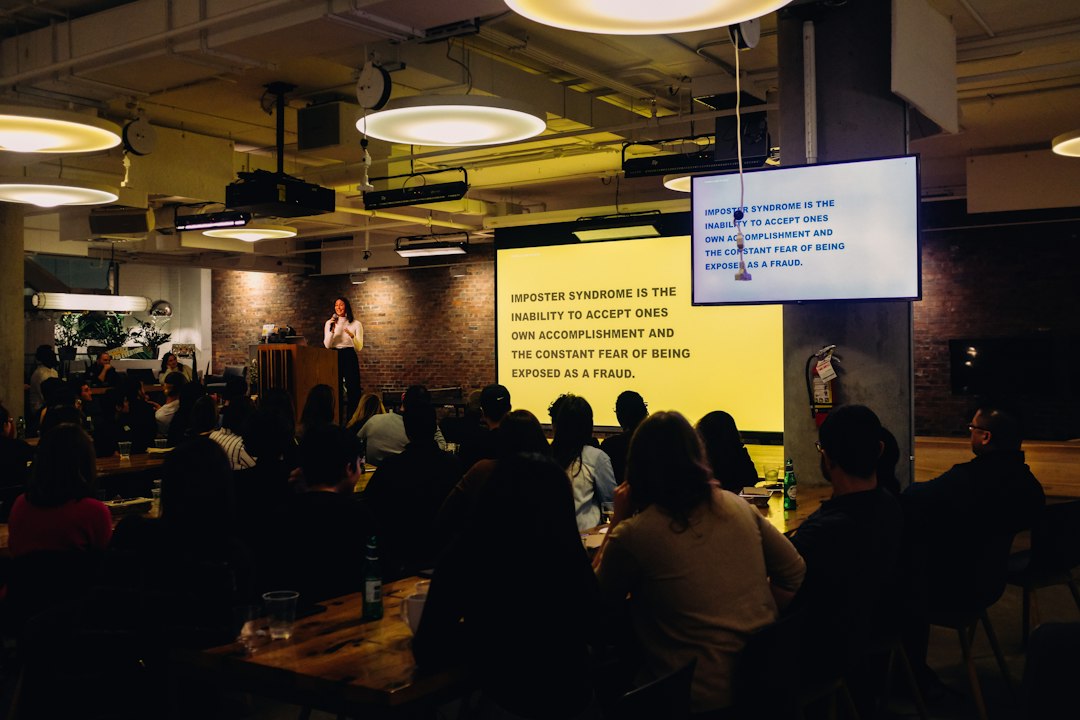
Photo by Aaron Burden on Unsplash
Six people said yes to the idea of a memoir workshop in a Facebook comment thread last spring. Three months later, nothing existed. No date, no format, no sign-up link. The idea died the way most writing groups do: in the gap between wanting one and actually building one. If you want to start a writing group that survives past its first meeting, you need a 30-day plan with real deadlines, not an open-ended intention.
Here’s what that plan looks like, broken into the decisions that actually matter.
Pick Your Format and Commit to One Thing
A writing group that tries to be everything (critique space, accountability pod, craft seminar, social hour) collapses under its own vagueness. Pick one shape. A weekly critique circle where four people submit 1,500 words and get feedback live. A monthly craft talk built around a single technique, like scene transitions or unreliable narrators. A daily check-in thread for writers chasing a 500-word habit. Each is a different product with different pricing, session length, and audience.
Once you choose, the rest of your 30 days gets easier. Scheduling follows format (weekly needs a recurring slot; monthly needs less admin). Promotion follows format too (critique circles sell on "get real feedback," accountability groups sell on "finish the draft"). Even leader hiring follows format, since a facilitator great at running craft discussions might be terrible at managing live critique.
Find a Leader or Lead It Yourself
The first ten minutes of a session tell participants everything about whether this group is worth their time. A facilitator who rambles, dodges hard feedback, or lets one voice dominate kills momentum fast. If you’re stepping in as leader, that’s fine, but be honest about your own facilitation skills before committing to eight weeks solo.
If you’re recruiting someone else, look for a writer whose published or workshopped work you’ve actually read, not just someone with an MFA and a newsletter. Ask how they’d handle a participant who dominates the critique circle or shuts down after one hard comment. Their answer tells you more than their bio does.
Compensation doesn’t need to be large for a first cohort. A $200 flat fee for an eight-week critique circle with six participants is reasonable. What matters more is writing down expectations clearly: how many sessions, how much prep time, what happens if someone drops out mid-cohort. Vague arrangements turn into resentment by week four.
Set a Real Commitment Date and Stick To It

Open-ended enrollment is the quiet killer of writing groups. "Join whenever" sounds generous, but it means you never know if you have four people or forty, and you can’t plan a single session with confidence.
Pick a commitment date two to three weeks out from your target launch. Announce it everywhere: "Roster closes March 14. First session March 21." That deadline gives interested writers a reason to act now instead of someday, and gives you a real number to plan around.
Design One Strong First Session
The first meeting decides whether there’s a second one. Two paths exist, and you have to pick before people walk in.
Path one: participants share work immediately. This works when trust is already high, maybe a cohort of writers who know each other from a conference or a previous class.
Path two: spend the first session on group agreements and a short writing exercise, something like a ten-minute timed piece everyone reads aloud cold. This works better for strangers, because it builds trust before asking anyone to expose a half-finished novel chapter to people they just met.
Pick wrong and the group either feels too exposed too fast, or too cautious to ever get real. Either way, the second session suffers.
Price to Fill Seats, Not to Chase Revenue

A writing group priced at $40 a month fills in days. The same group at $150 a month sits half-empty and dies quietly around week three when two people drop out and nobody replaces them.
Your first cohort isn’t where you make money. It’s where you build the group that tells other writers about it. Undercharge on purpose: $35 to $50 per month for a recurring critique circle, or a flat $75 for a four-week intensive. Once that first cohort finishes and people start asking how to join the next round, raise the price. Word-of-mouth from a satisfied cohort sells harder than any ad.
Recruit Through Specific Channels, Not Social Noise
A post in a 40,000-member general writing Facebook group gets buried in an hour. A personal message to 200 people in a local literary society mailing list, or a targeted note in a genre-specific Discord where writers already talk about craft, gets read.
Find where your specific writer already gathers: a local indie bookstore’s event newsletter, a regional writers’ conference alumni list, a subreddit built around your genre. Send a direct, specific invitation, not a broad announcement. "I’m running a six-person memoir critique circle starting March 21, looking for two more writers" beats "Check out my new writing group!" every time.
Use Wayfield to Manage Roster and Messaging
Once interest starts coming in, the coordination work piles up fast: who said yes, who paid, who needs the Zoom link, who dropped out and needs a waitlist replacement. Wayfield handles that layer. Send a join code to interested writers, watch the roster fill against your commitment date in real time, and message the whole cohort directly when first-session logistics change.
That means less time chasing emails and spreadsheets, and more time designing the session that matters: the one where six strangers turn into a group of writers who trust each other with unfinished work.
Start your first workshop free at wayfield.app/getting-started, no credit card required.
Recommended Resources
Books
Directly supports the craft-talk format mentioned for writing group sessions
Stationery
Writers need quality notebooks for drafting work submitted to critique circles
Digital Tools
Useful tool for participants practicing craft techniques like those covered in monthly talks
As an Amazon Associate, Wayfield earns from qualifying purchases. Clicking and buying through these links supports this content at no extra cost to you.





Leave a Reply