
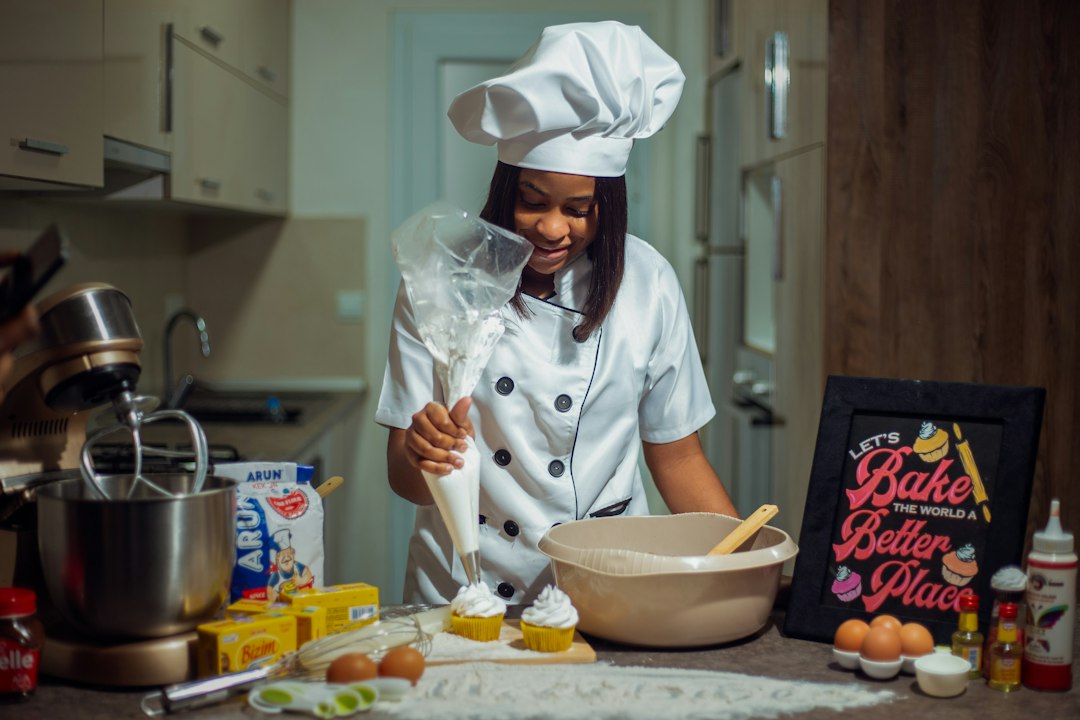
Photo by Emediong Umoh on Unsplash
The scrambled eggs are already overcooked by the time most people realize what went wrong. The pan’s too hot, the eggs curdle into rubber, and the cook standing over the stove feels like a fraud. This moment, where cooking fear and confidence collide, happens in home kitchens every single night.
Here’s the thing nobody tells you: that moment has nothing to do with skill.
What kitchen anxiety actually is (and why it’s not about skill)
Most home cooks who freeze at the stove can follow a recipe just fine. They can read "fold gently" and understand what it means. What stops them isn’t technique. It’s the fear of wasting $4 worth of eggs, or serving mushy risotto to a partner who’s already hungry, or looking incompetent in front of guests watching from the next room.
That’s not a skills gap. That’s performance anxiety wearing an apron.
A chef with 15 years of line experience burns garlic sometimes. The difference is she doesn’t treat it as evidence she can’t cook. She scrapes the pan, starts the aromatics again, and keeps moving. Beginners treat every mistake as a referendum on their competence. Professionals treat it as Tuesday.
Start with recipes that tolerate mistakes
Skip the souffle. Skip the macarons. Skip anything where a 90-second timing error means the whole dish collapses, literally or figuratively.
Start with soup. A pot of lentil soup simmering for 40 minutes doesn’t care if you add the carrots 2 minutes late or use broth instead of water. Braises are even more forgiving: a chuck roast cooked low and slow for 3 hours has a wide margin for error built into the method itself. Scrambled eggs cooked low and slow instead of blasted on high give you a 30-second window instead of a 5-second one.
These dishes work as confidence-builders because small mistakes don’t ruin the result. You learn what "too much salt" tastes like without destroying dinner. Once that pattern repeats a few times, mistakes stop feeling catastrophic. Master the forgiving dishes first. The precise, rigid-timing dishes can wait.
Cook the same dish 3 times before moving on
The first time you make risotto, you’re reading the recipe card between every stir. The second time, you glance at it twice. By the third time, your hands already know how much stock to add and when the rice looks ready.
This isn’t magic. It’s repetition doing what repetition always does: removing decision paralysis.
A participant at a weekend pasta workshop once admitted she’d never made the same dish twice in her life, always chasing something new from Pinterest. She couldn’t understand why she still felt anxious in the kitchen after years of "trying new things." Novelty was the problem. Her hands never got the chance to learn anything.
Pick one dish. Make it 3 times in 3 weeks. Watch what happens to your shoulders the third time you stand at the stove.
Separate prep from cooking (mise en place works)
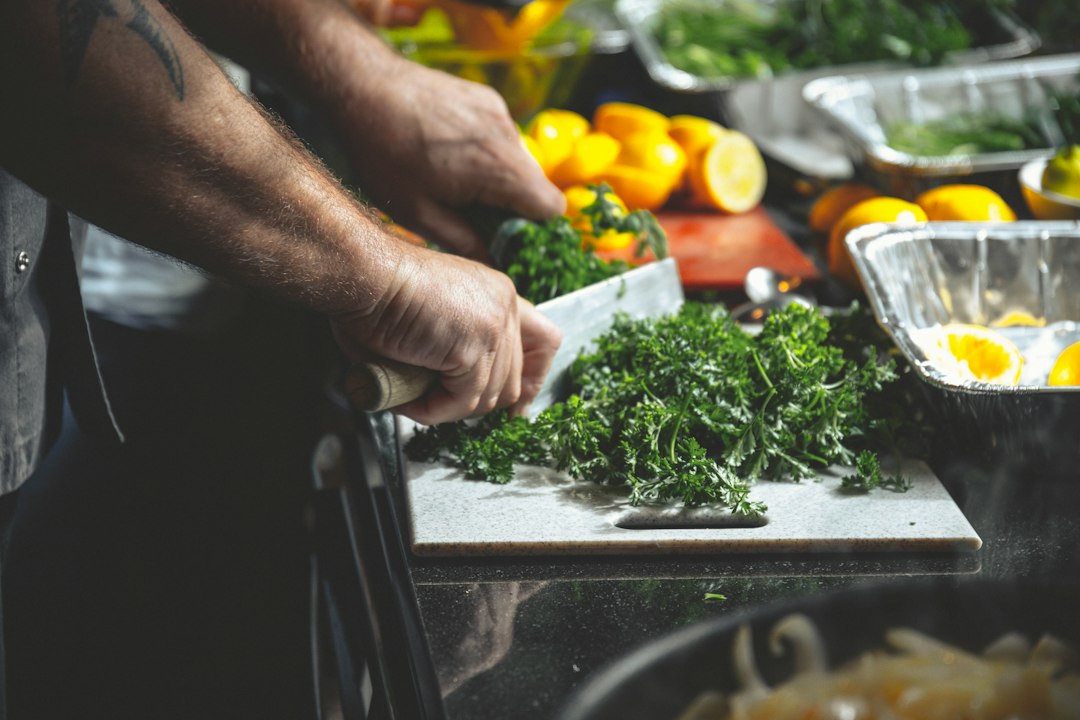
Half of kitchen panic comes from doing two things at once: chopping an onion while oil smokes in the pan, or hunting for the garlic press while butter burns. Professional kitchens solved this problem generations ago with mise en place, prepping and measuring everything before any heat touches a pan.
Try it at home. Before you turn on the stove, chop the onion, mince the garlic, measure the stock, and set out the pan you need.
Once prep is finished, the actual cooking becomes almost boring. You’re not scrambling or dodging a pot of boiling water while you search for a lemon. You’re just cooking, one step at a time, with everything already in reach.
Cook with someone or in a group setting
Anxiety grows in isolation. A cook alone in a kitchen, making a mistake nobody else sees, interprets that mistake as proof of inadequacy. A cook standing next to someone who also just burned the shallots learns something different: everyone does this.
Watching an instructor work in real time at a hands-on cooking station does something a recipe video can’t. You see them taste a sauce, frown slightly, and add more acid. You see them scrape a slightly scorched bit off the bottom of a pan without missing a beat. None of that makes it into a polished recipe card, but it’s the actual texture of cooking.
This is part of why structured culinary workshops work so well for anxious cooks. Kitchen capacity in a hands-on class usually tops out around 10 to 12 participants, small enough that an instructor can watch each station and correct in the moment, large enough that no one is cooking alone under a spotlight. Organizers running a $65 weeknight pasta class or a $120 weekend intensive can keep groups at that size on purpose through a platform like Wayfield, since registration caps and session selection make it simple to hold the number where the format actually works. Shared mistakes, corrected quickly, teach faster than solo trial and error ever will.
Taste as you cook, not just at the end
The final habit is the simplest, and the one most beginners skip: taste constantly.
Taste the soup before you add the salt, then again after. Taste the sauce before it reduces and after. This isn’t a suggestion; it’s how every professional kitchen actually works, a spoon near the stove, constant small sips, constant small corrections.
Tasting mid-process replaces guesswork with feedback. You stop wondering if the dish needs more acid and start knowing, because your tongue just told you. Confidence built on a recipe followed exactly is fragile. Confidence built on tasting and adjusting in real time travels with you to the next dish, the next kitchen, the next set of ingredients that don’t quite match what the recipe called for.
Cooking fear and confidence aren’t opposites that cancel each other out. Confidence is just what’s left after you’ve faced the fear enough times that it stops registering as fear at all.
Find workshops near you at wayfield.app/workshops
Recommended Resources
cookware sets
Proper cookware with even heat distribution is essential for controlling temperature and preventing overcooked scrambled eggs and burnt garlic mentioned in the article.
dutch ovens
Dutch ovens are ideal for braising and slow-cooking dishes that build cooking confidence, as specifically recommended for chuck roast preparation.
soup pots
A dedicated soup pot is essential for making forgiving lentil soup dishes that help build confidence without requiring precise timing.
prep bowls
Prep bowls enable the mise en place technique discussed as a solution to kitchen panic by organizing ingredients before cooking begins.
As an Amazon Associate, Wayfield earns from qualifying purchases. Clicking and buying through these links supports this content at no extra cost to you.



Leave a Reply