
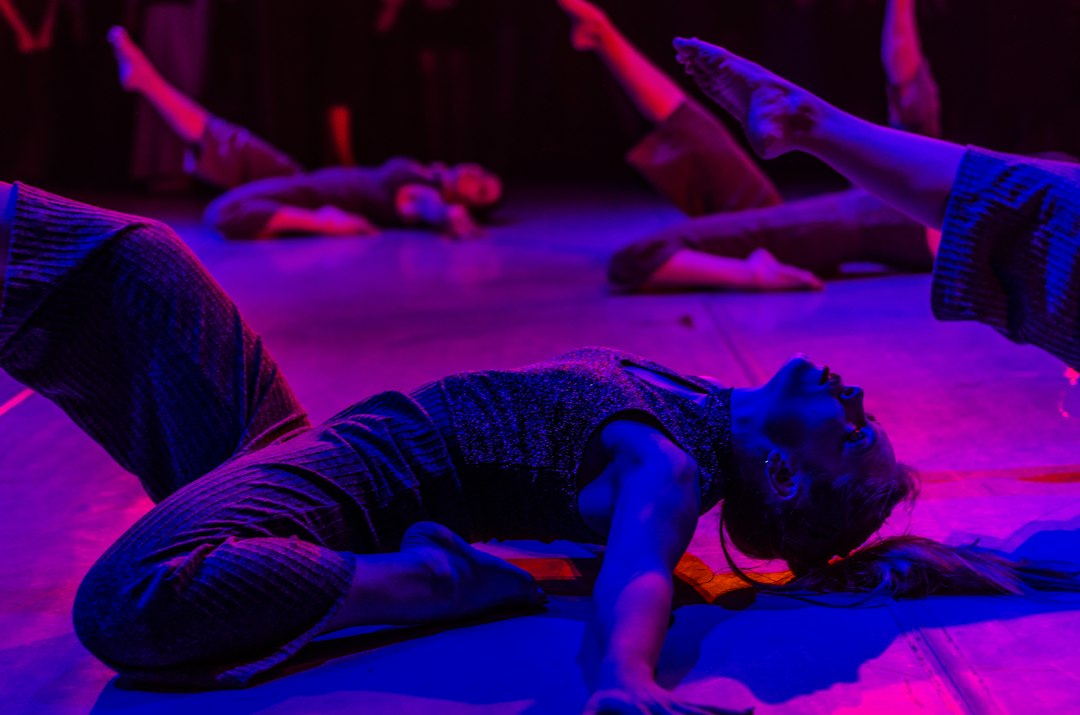
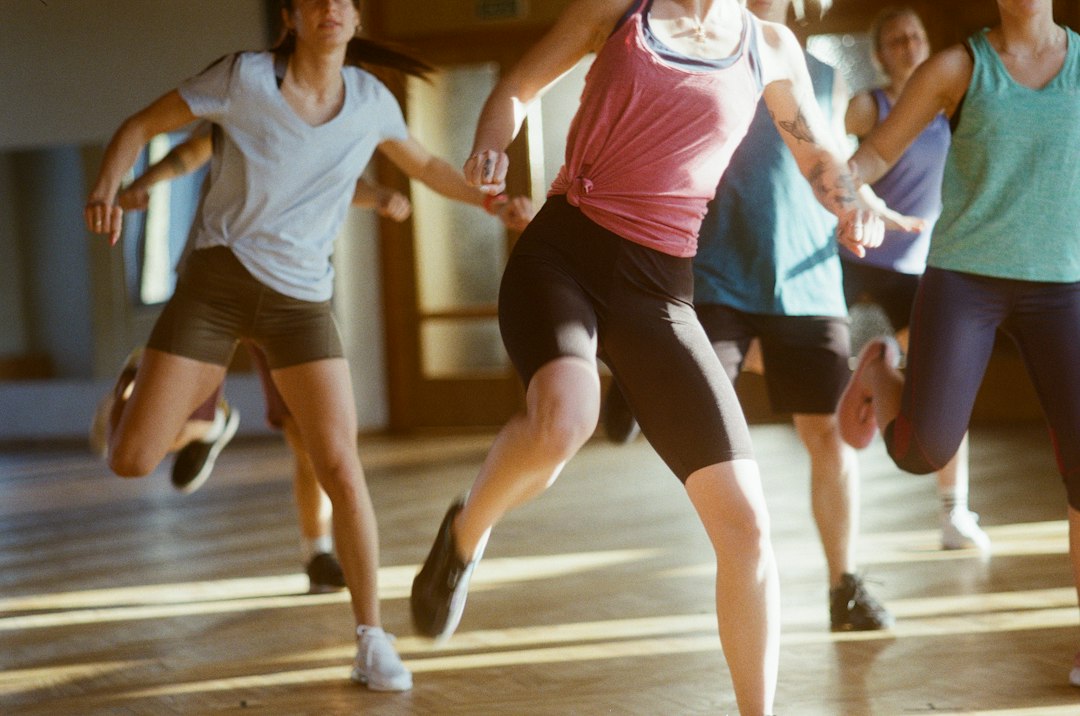
Photo by Vadim Fomenok on Unsplash
A 34-year-old accountant signs up for a Monday night hip-hop class. She’s never danced before, feels self-conscious in the mirror, and by week three she stops coming. Multiply her by the dozen other adults who quietly vanished, and you’ve got the real story behind most beginner dance classes for adults: they lose more than half their roster before the six-week mark.
This isn’t a motivation problem. It’s a design problem. Adults don’t quit because dancing is hard. They quit because the class assumed they already knew how to move.
Why Adult Beginners Stop Taking Dance Classes
Most adults who drop out of beginner dance classes do it within four to six weeks, and the pattern is consistent: the class felt competitive, or it assumed prior movement experience nobody told them they needed.
A leader demonstrates a combination once, maybe twice, then expects the room to keep pace. The three people in front who danced as kids pick it up fine. Everyone else starts faking it, then stops showing up.
Design for zero assumptions instead. Teach neutral posture cues before choreography: shoulders stacked over hips, weight centered, knees soft. Give explicit permission to modify every movement, out loud, every class. And separate your beginner cohort from your intermediate group entirely. Mixing the two doesn’t challenge beginners. It just teaches them to feel behind.
Pricing and Session Length That Stick
Pricing signals commitment level, and your format should match the signal you want to send.
A single 90-minute drop-in class, priced between $25 and $35, draws casual explorers. Good for testing a style or filling a slow Tuesday, but it won’t build a roster. A six-week commitment priced at $120 to $150 attracts people who’ve already decided they want to learn, not just sample.
Recurring formats beat one-off workshops for retention. Same day, same time, same room. When someone has to decide every week whether tonight’s the night, you lose them. When Thursday at 6pm is just "dance night," the decision gets made once and the habit builds itself.
How to Structure Your First Class for Retention
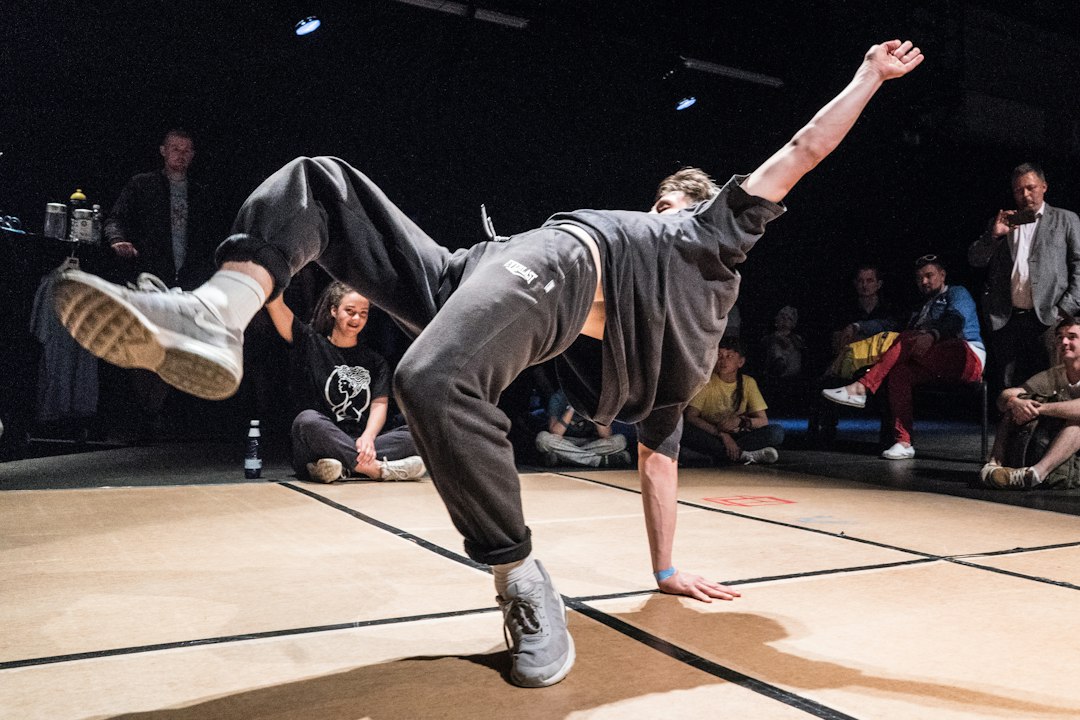
Your first session should run 60 minutes, not 90. Adults walking into a dance class for the first time are managing nerves, not stamina, and a shorter class respects that.
Spend the first 15 minutes on posture and breathing before anyone moves across the floor. This isn’t warm-up filler; it’s what makes the rest of the class feel achievable. Teach only three or four combinations. Repeat them until muscle memory starts to form, then stop and name what everyone just learned out loud.
Adults don’t remember how many steps they nailed. They remember how they felt in the room. A class that ends with someone thinking "I did that" will see that person again next week.
Recruitment Copy That Speaks to Anxious Beginners
Skip "express yourself" and "unleash your inner dancer." That language speaks to people who’ve already danced. It does nothing for someone standing at the edge of signing up, worried they’ll be the only one who doesn’t get it.
Try this instead: "No experience needed. We start with posture. You will leave knowing one full combination." Specific, concrete, no interpretation required.
Be explicit about logistics too: room setup (mirrors or no mirrors), music style (contemporary R&B, not "eclectic"), and what to wear (socks are fine, no heels). Vague copy creates anxiety because the reader fills in the blanks with worst-case assumptions. Specificity in your description can cut sign-up hesitation by close to 40%, because you’ve answered the questions they were too embarrassed to ask.
Managing No-Shows and Building Real Commitment
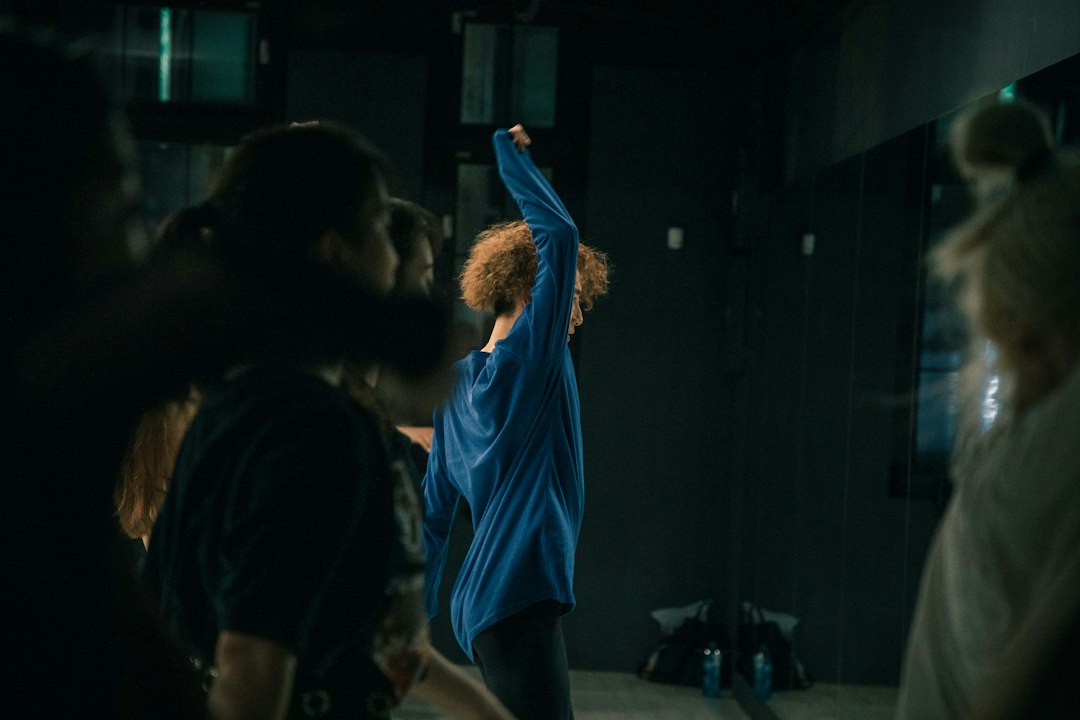
Set a commitment deadline 48 hours before each class, and treat it as real: that’s when you confirm headcount, not a soft suggestion.
Follow it with a confirmation message that includes the studio address, parking details, and one small movement tip they can try at home before class. Adults who get pre-class prep show up roughly 65% more reliably than those who get a bare reminder. The prep signals that the class is organized and that showing up matters.
Using Wayfield to Track Participation and Adjust
A roster is a diagnostic tool, not just an attendance sheet. Check it after week two of any cohort and look for who’s missed a session. That’s the window to message them directly, before they decide the class isn’t for them.
Use registration patterns to segment future sessions by style, jazz, contemporary, hip-hop, instead of running one open-enrollment class for everyone. Wayfield’s session selection and roster tracking make this easy to spot without cross-referencing spreadsheets by hand. Small cohorts of 10 to 15 retain better than large open classes of 25, because a leader can actually notice who’s struggling and adjust in real time.
Scaling to Recurring Income Without Burning Out
Once the format works, resist adding five new class types. Run two identical sessions per week, say Tuesday at 6pm and Thursday at 6pm, each capped at 12 to 15 people.
The repetition is the point. Teaching the same structure twice a week lets you refine delivery instead of reinventing content every session. At $130 for a six-week series with 12 participants, that’s roughly $1,560 per cohort, which breaks down to $200 to $300 weekly per leader with minimal overhead once the room and schedule are locked in.
That’s a calm, repeatable structure: two nights a week, one format, steady income, and a roster that sticks around because the class was built for them from the first posture cue.
Start your first workshop free at wayfield.app/getting-started, no credit card required.
Recommended Resources
dance studio mirrors
The article mentions mirrors as a key element in dance class environments, making mirrors an essential studio equipment for instructors designing beginner classes.
exercise mats
Posture work and floor-based movements are recommended in beginner classes, making mats useful for comfort during posture exercises and warm-ups.
portable speakers
Dance classes require audio equipment to play music for combinations and choreography instruction, making a quality speaker system essential for class instruction.
As an Amazon Associate, Wayfield earns from qualifying purchases. Clicking and buying through these links supports this content at no extra cost to you.




Leave a Reply