

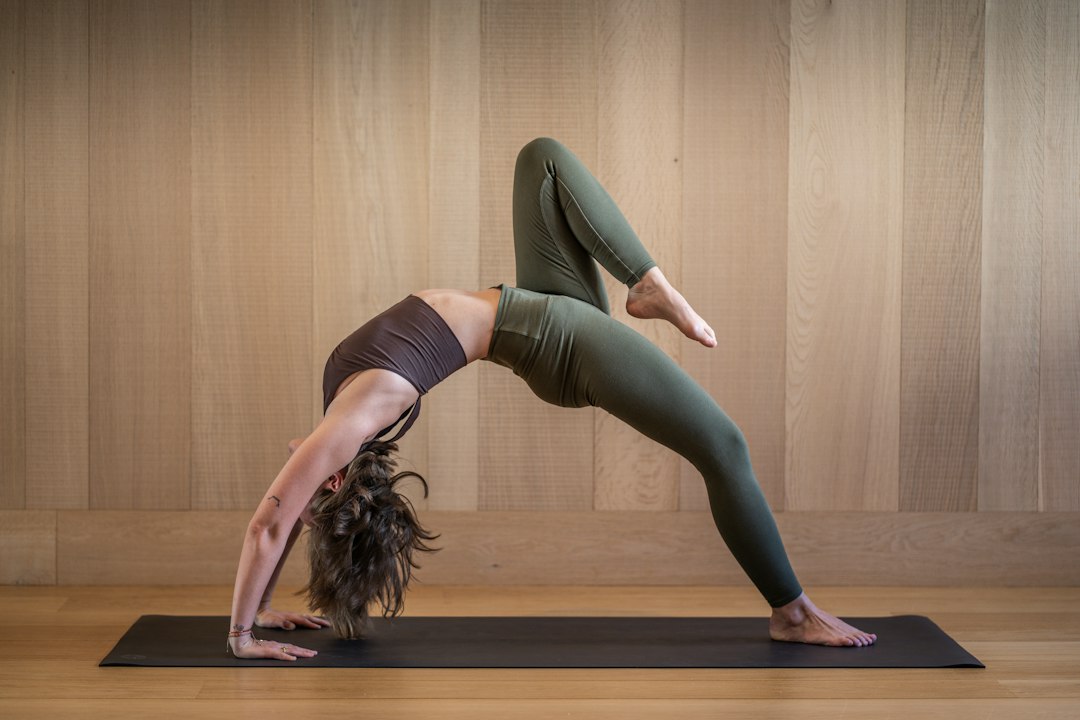
Photo by Kaspars Eglitis on Unsplash
Eight people show up to your first breathwork session. Three don’t come back. You didn’t do anything wrong on paper: same technique you learned in training, same 20-minute hold sequence that felt profound in your own practice. But your students aren’t you. They’re nervous, unsure what their body will do, and gone before you find out why.
This is the single biggest failure point in a beginner breathwork workshop: pacing built for the teacher’s comfort level, not the student’s nervous system. Fix the structure and you fix the dropout rate. Here’s how.
Why Beginners Quit Breathwork Workshops (And How Structure Prevents It)
People quit when a session feels too advanced, too spiritual, or too physically intense without warning. A first-timer who signed up for "stress relief" doesn’t expect tetany in their hands or an emotional release they can’t name. That mismatch between expectation and experience is what sends them home and keeps them home.
The fix isn’t softer content. It’s sequencing. Start with 5-minute techniques, not 20-minute holds. Box breathing before Wim Hof-style retention work. A body that trusts the pace in week one will tolerate more intensity in week four. A body that gets overwhelmed in week one won’t show up for week two.
Build Your First Session Around Instant Wins, Not Theory
Skip the physiology lecture. Open your first session with a 3-minute breathing exercise participants can feel in their chest within 90 seconds, something like extended exhale breathing at a 4-count in, 6-count out ratio. That’s fast enough to register as real, gentle enough to feel safe.
Save the vagus nerve explanation for session two. Beginners don’t stick around because they understand the mechanism. They stick around because they felt something shift in their body during minute one. Give them relief first. Theory can wait; retention can’t.
Create a Three-Level Pathway Without Separate Workshops

Running three separate workshops for three skill levels multiplies your admin and splits your community into strangers. Instead, build progression into a single six-week arc: Foundation in weeks one and two, Intermediate in weeks three through five, Advanced starting week six.
Same room, same cohort, same join code. Participants watch their own capacity grow next to people they’ve already bonded with over six weeks of shared practice. That continuity matters more in breathwork than in almost any other workshop format, because the trust built in week one is what lets someone attempt a longer hold in week five. A platform like Wayfield handles this by letting you structure one workshop with tiered sessions inside it, so your roster doesn’t need to re-register or hunt down a new group each time the difficulty increases.
Signal Intensity Upfront to Filter Self-Selection
Label every session honestly. "Beginner: calming techniques, no experience needed" reads differently than "Intermediate: longer holds, background in meditation helpful." That one sentence of framing does more filtering than any intake form.
Nervous students are good at self-selecting when you give them accurate information. Vague titles like "Breathwork process" or "Advanced Pranayama Flow" force people to guess, and guessing wrong is what produces a panicked exit halfway through a 15-minute retention hold. Clear labels prevent mismatches before they happen, which means fewer dropouts for you to explain away later.
Use Commitment Dates to Predict Who’ll Stick

Nervous participants register early and commit late. They’ll sign up for your beginner breathwork workshop the day it opens, then quietly decide by session two whether they’re actually coming back. If your commitment deadline sits at registration, you’re locking in headcount based on intention, not follow-through.
Move the commitment date to after session two instead. Let people try the foundation level risk-free, then ask for a real commitment once they’ve felt what the practice does for them. This gives you accurate numbers for your intermediate cohort and filters out the people who were never going to advance anyway, no matter how good your marketing was.
Measure Retention by Transition Rate, Not Attendance Alone
Attendance tells you who showed up. Transition rate tells you whether your structure works. Track the percentage of foundation students who enroll in intermediate sessions. If it’s below 60%, the problem isn’t your marketing copy, it’s your pacing.
Say 20 people finish your two-week foundation series and only nine sign up for intermediate. That’s a 45% transition rate, and it means something in weeks one and two is either too isolated (not building toward anything visible) or too hard (asking for more than a beginner’s nervous system can handle). Adjust the sessions themselves before you touch a single word of your sales page.
Price Recurring Workshops to Build Habit, Not Squeeze Per-Session
Charging $40 or more per drop-in session creates a decision every single week: is this worth it today? For a nervous beginner already unsure whether breathwork is "for them," that recurring decision point is friction you don’t need.
Price a six-week series at $25 to $35 per session instead, sold as one commitment. A participant who pays $180 upfront for six weeks has already made the decision once. They show up on the weeks they’re tired, because the alternative is wasting money they’ve already spent. That’s not a sales trick, it’s basic behavioral economics, and it’s the difference between a roster that thins out by week three and one that completes the full arc.
Running this kind of tiered, recurring format by hand, tracking who committed, who’s ready to advance, who needs the beginner track repeated, gets unwieldy past a dozen participants. Start your first workshop free at wayfield.app/getting-started, no credit card required.
Recommended Resources
yoga mats
Breathwork workshops typically require participants to sit or lie down comfortably for extended periods during breathing exercises and holds.
meditation cushions
Beginners benefit from proper seating support during breathwork sessions to maintain posture and comfort during 5-20 minute breathing exercises.
yoga blocks
Props help beginners achieve proper alignment and support during breathwork practice, reducing strain and increasing accessibility.
As an Amazon Associate, Wayfield earns from qualifying purchases. Clicking and buying through these links supports this content at no extra cost to you.





Leave a Reply