
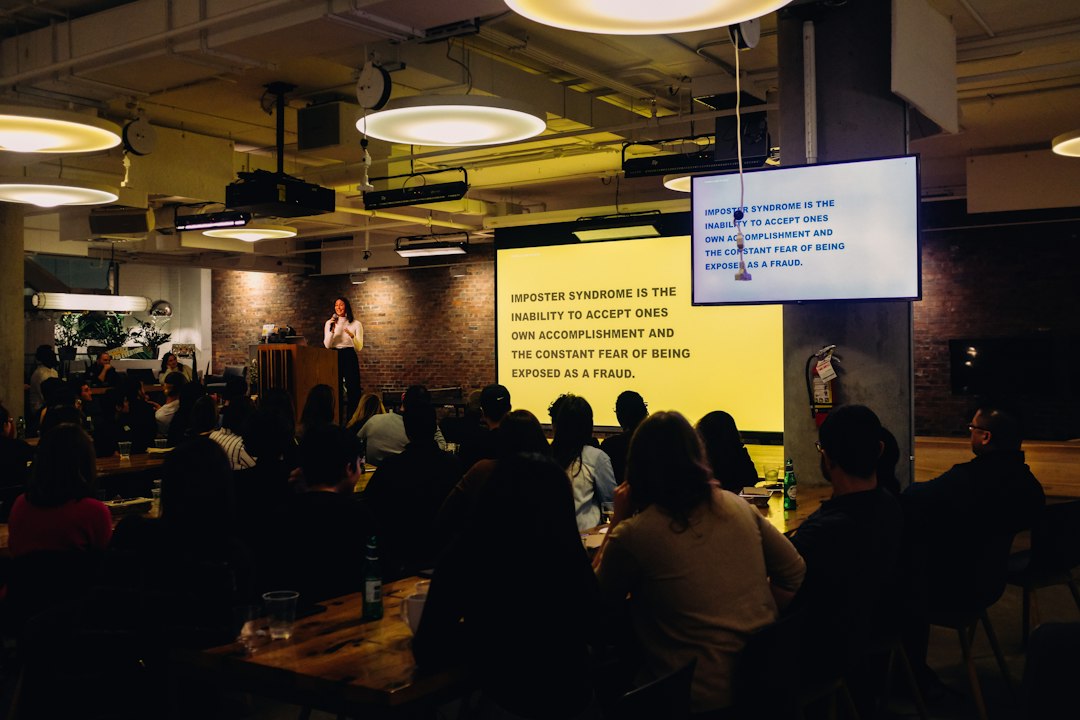
Photo by Jennie Razumnaya on Unsplash
You sign up for an oil painting workshop because it sounds serious. Three weeks later, the canvas sits untouched in your closet next to $80 worth of paint you didn’t know you needed. This happens more than anyone admits. Choosing the wrong entry point into adult art workshops for beginners costs money and kills momentum before you’ve made a single decent piece.
The fix isn’t picking a "better" medium. It’s matching the workshop to what you’ll actually do after class ends.
Start with what you actually want to make, not what sounds impressive
Most beginners choose based on prestige. Oil painting sounds like "real art." Photography sounds technical and cool. Mixed media sounds like cheating. None of that matters if you won’t keep doing it.
Oil painting requires equipment you have to maintain: brushes that need proper cleaning, solvents you store safely, canvases that take up space. If you don’t have a dedicated corner of your home for this, the hobby dies in your closet.
Photography needs a camera you’ll actually use between sessions. If your workshop teaches manual settings on a DSLR and your daily camera is your phone, you’ll forget the lessons in two weeks.
Mixed media works well for people who like trying things without committing to one tool. A single 3-hour class might have you collaging, adding ink, then finishing with acrylic. No equipment investment, no maintenance routine. If you’re not sure what you like yet, this is often the smarter starting point.
Judge the workshop by leader experience, not class size
A 6-person class taught by a working photographer beats a 20-person painting workshop taught by someone who took one summer course and started teaching the next year. Group size matters less than who’s running the room.
Check three things before you register: does the leader have a visible portfolio, how many years have they taught this specific medium, and are they still actively making work. A landscape painter who hasn’t painted in five years but teaches full-time is a different experience than one who sells work monthly and teaches on the side.
Small groups matter because feedback scales down with them. In a 6-person photography workshop, the leader can look at your actual frames and tell you why the composition isn’t working. In a 20-person session, you get a general lecture and maybe two minutes of individual attention if you’re lucky.
Verify what’s included before you register

A $75 workshop listing doesn’t always mean $75 out the door. Some organizers include all materials in the price. Others list a base fee and charge separately for paint, canvas, film, or clay. That $75 class becomes $150 once you’re standing at checkout adding supplies you didn’t budget for.
Before you commit, ask directly: what do I need to bring, and what does the leader provide? A pottery workshop might include clay and firing but not glaze. A photography workshop might assume you own a camera and only cover the instruction. Get the specifics in writing, not a vague "materials included" line in the description.
Test the format before committing to a series
An 8-week intensive is a real commitment: time, money, and the assumption that week 3 will feel as good as week 1. A single 2-hour session costs less and risks less.
Attend one standalone class before signing up for a series. If the teaching style clicks, the pace matches how you learn, and the group feels like people you want to spend eight Tuesday nights with, commit. If the leader talks over your head or the group skews wildly different in skill level, you’ve lost one evening instead of two months and a few hundred dollars.
This is especially true for painting and mixed media series, where technique builds week over week. If week 1 confuses you, weeks 2 through 8 will compound that confusion.
Check the commitment date and cancellation terms

Workshops often require payment by a specific date to hold your seat, sometimes called a commitment date. Miss it, and your spot goes to the waitlist. Understand this before you register, especially for popular sessions that fill fast.
Cancellation policies vary more than people expect. Some organizers refund in full up to a week before the workshop. Others take a no-refund stance the moment you pay. If your schedule is unpredictable, this detail matters more than the workshop content itself. Read the terms before you commit money, not after you need to cancel.
On platforms like Wayfield, this information sits clearly on the registration page, along with the join code and any logistics you need for the session, so you’re not hunting through an email chain to find out if you can get your deposit back.
Look for workshops with clear learning outcomes
"Explore your creativity" tells you nothing. It’s filler language that signals the leader hasn’t thought through what the class delivers.
Compare that to: "Learn the rule of thirds and leading lines, then shoot 50 frames during a golden-hour walk." Or: "Mix wet-on-wet and dry-brush techniques to finish one small canvas by the end of class." These descriptions tell you exactly what skill you’ll practice and what you’ll walk away with.
Specific outcomes are a proxy for an organized leader. Someone who can name the exact technique and deliverable has taught this before and knows what beginners actually need in two hours. Vague language usually means vague teaching.
Pick the workshop with a description you could repeat back in one sentence. If you can’t, keep looking.
Find workshops near you at wayfield.app/workshops
Recommended Resources
oil paints
Article mentions oil painting supply costs and equipment needs; this is a typical beginner oil paint set investment.
DSLR cameras
Article references DSLR photography workshops and manual mode; beginners upgrading from phone cameras need entry-level DSLRs.
paint brushes
Oil painting requires quality brushes; article emphasizes maintenance and equipment commitment in painting.
mixed media paper
Article highlights mixed media as low-commitment entry point; beginner pads are essential for this workflow.
As an Amazon Associate, Wayfield earns from qualifying purchases. Clicking and buying through these links supports this content at no extra cost to you.






Leave a Reply