

Your Sedona landscape workshop caps at 10 participants because that’s how many tripods fit safely on the overlook at golden hour. You’ve got a waitlist of 40 people who want in, and the venue isn’t getting bigger. This is the moment most workshop organizers hit a ceiling, and it’s exactly when the conversation about turning a workshop to online course format starts making financial sense.
The math is simple. Ten participants at $650 for a weekend intensive nets $6,500 per cohort, minus location fees, insurance, and your time. Run that same content as a hybrid offering to 60 people and you’re looking at a different revenue category, without adding a single extra sunrise shoot.
Why Your In-Person Workshop Structure Won’t Work Online
In-person teaching runs on presence. You watch someone fumble their aperture ring at 5:45am and correct it before the shot is ruined. Group energy carries a slow morning. None of that translates to a screen.
Digital demands asynchronous chunks. Clear written instructions replace the ability to walk over and adjust someone’s ND filter mid-shoot. Self-directed pacing replaces your real-time read of the group. Porting your three-hour intensive directly into a three-hour video doesn’t work. Nobody watches a three-hour video. The content needs a redesign, not a recording.
Separate Content Into Two Tracks: Live and Self-Paced
Split your material into what needs you live and what doesn’t. Critique sessions need you live, because feedback on someone’s composition choices is where your expertise actually shows up. Q&A needs you live, because questions branch in directions no pre-recorded module anticipates.
Technique demos don’t need you live. Explaining how you meter for a backlit portrait at golden hour works exactly as well recorded once as it does repeated to twelve different cohorts. Theory and reference material, camera settings charts, location scouting notes, all of it moves to pre-recorded modules. This hybrid split protects your time and your margin while keeping the parts participants are actually paying premium prices for.
Rebuild Your Session Architecture for Async Consumption
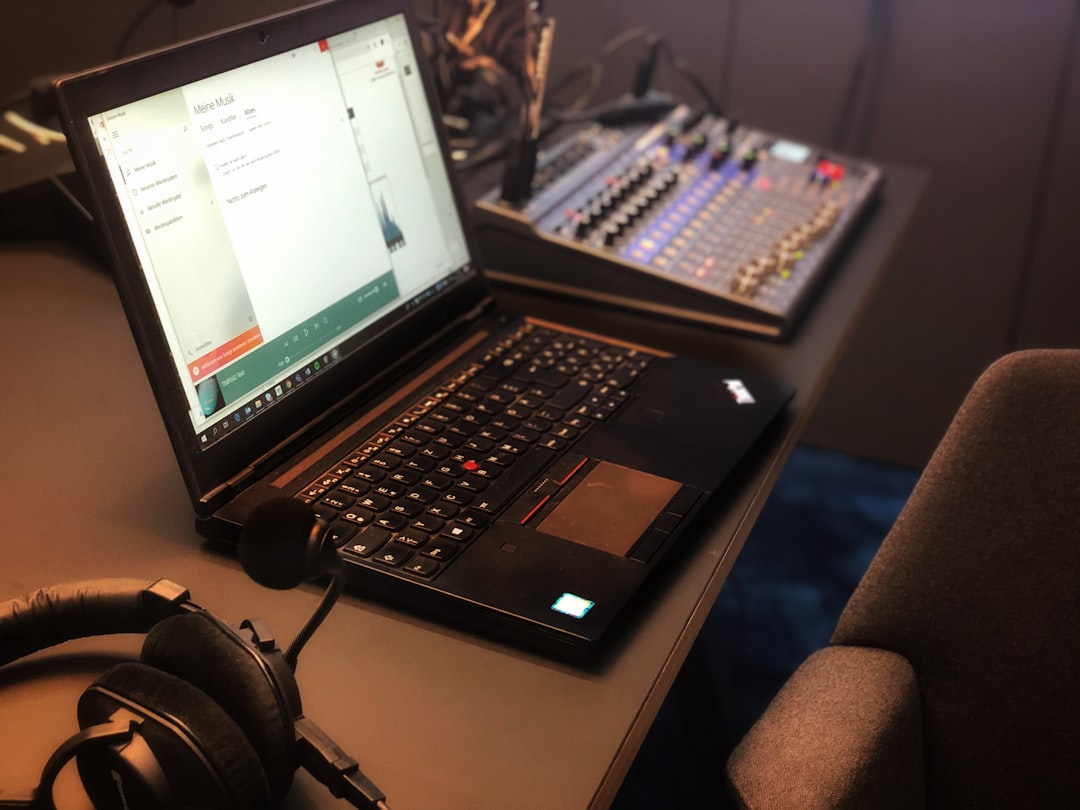
Your three-hour in-person intensive on golden hour landscape work becomes five 15-minute videos: metering for low light, filter selection, composition for wide dynamic range, post-processing basics, and gear setup. Add a downloadable shot list participants can print and bring into the field. Add a private forum where they submit their attempts. Close the loop with one live group critique session, 90 minutes, where you review submissions together.
Participants work at 6am on a Tuesday if that’s when their light shows up. You batch your feedback into one sitting instead of fielding messages across three weeks. The architecture changes, but the teaching value doesn’t shrink. It gets more efficient.
Price Hybrid Differently Than Pure Digital
A hybrid photography workshop with live feedback justifies $295 to $495, because participants are still getting your eyes on their work. Pure self-paced courses, no live component at all, compress down to $97 to $197 unless you build in office hours or small-group review sessions.
Cap your live cohorts. Twenty people in a live critique session is manageable. Eighty people is a webinar, not a critique, and participants notice the difference immediately. If you want to serve 200 people, split them into cohorts of 20 and run the live session four times, or drop the live component entirely and sell it as pure self-paced at the lower price point.
Set Your Registration and Feedback Deadlines Hard
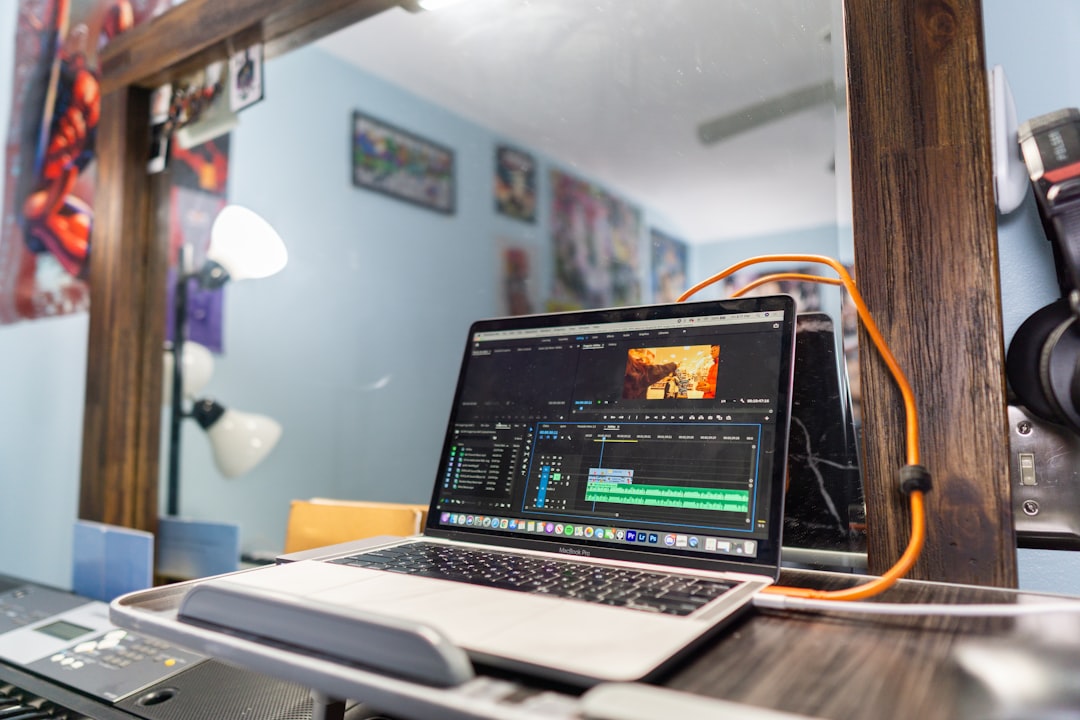
Async courses without hard deadlines turn into open-ended support obligations. "Submit anytime" sounds generous. It means you’re fielding photo critiques in month four of a course that was supposed to run for three weeks.
Announce commitment dates the way you would for an in-person shoot: "Submissions due Friday 5pm EST for live critique Sunday at 2pm." No submission, no critique slot, next cohort. Wayfield’s commitment date feature handles this automatically, closing submission windows and notifying participants ahead of the deadline so you’re not manually chasing stragglers through email.
Use Your Existing Participant List as Day-One Revenue
You already have proof this content works. Forty people wanted into a workshop that could only take ten. Email that list, and every past participant’s list too, with a founding member offer: early access, a discounted tier, bonus content only available at launch.
This converts a known, warm audience into immediate sales before you spend a dollar on acquisition. A past attendee who paid $650 for the in-person weekend and loved it is a far easier sell at $395 for the hybrid version than a cold lead who’s never worked with you.
Track What Actually Converts in Your Hybrid Model
Watch which modules get finished and which get abandoned at the two-minute mark. Watch who shows up for live critique and who doesn’t. If your "filter selection" module has a 40% drop-off rate, that module is too long, too technical, or poorly sequenced. Fix it before the next cohort, not after the third complaint.
Three cohorts in, patterns emerge. Maybe live critique attendance is higher when scheduled Sunday afternoon instead of Wednesday night. Maybe your metering module needs to be split into two videos instead of one. The formula for your specific audience shows up in the data, not in guesswork.
The workshop you’re already running well is the raw material. The redesign work, splitting live from async, rebuilding architecture, setting hard deadlines, is what turns that raw material into a format that scales past your venue’s capacity.
Start free on Wayfield, no credit card required.





Leave a Reply