

Photo by Woody Kelly on Unsplash
Your First Yoga Retreat: What to Expect and How to Prepare
Signing up for your first yoga retreat feels exciting and nerve-wracking in equal measure. You’re committing to days of intensive practice with strangers, often in an unfamiliar location. Understanding what to expect at a yoga retreat removes the guesswork and lets you focus on the transformative experience ahead.
What to Expect at Your First Yoga Retreat
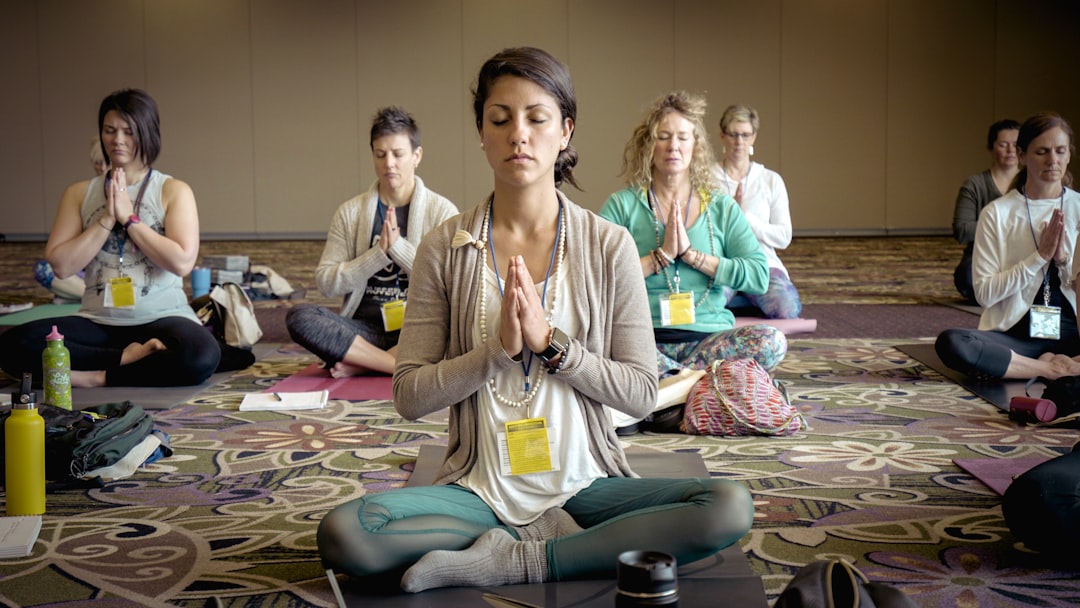

Most yoga retreats follow a structured daily rhythm. Expect to wake between 6-7 AM for morning meditation or pranayama practice. Your first asana session typically runs 90 minutes, followed by breakfast around 9 AM. Mid-morning often includes workshops on philosophy, anatomy, or specialized techniques.
Afternoons vary by retreat style. Some offer free time for rest, journaling, or exploring the location. Others schedule restorative yoga, walking meditation, or additional workshops. Dinner happens early—usually 6-7 PM—followed by evening activities like kirtan (chanting), meditation, or dharma talks.
The atmosphere differs significantly from drop-in studio classes. Silence periods are common, especially during meals or designated quiet hours. Many retreats emphasize digital detox, with limited WiFi access. This creates space for deeper introspection than your typical weekend workshop.
Expected intensity varies by retreat level. Beginner-friendly retreats maintain gentler schedules with optional sessions. Intensive retreats might include 4-6 hours of daily practice plus study sessions. Read retreat descriptions carefully and email organizers about specific expectations if unclear.
Essential Yoga Gear and Equipment to Pack
Bring your own yoga mat—period. Even retreats that provide mats benefit from your familiar grip and cushioning. Pack a travel mat if flying internationally to save luggage weight.
Yoga blocks prove essential for longer holding periods and accessibility modifications. Most retreat centers provide basic props, but personal blocks ensure proper height and comfort. Add a yoga strap for deeper stretches and assisted poses during partner work.
Layer clothing strategically. Morning practices often happen in cool temperatures that warm throughout class. Pack moisture-wicking tops, comfortable leggings, and a light jacket or sweater for meditation periods. Avoid cotton—it holds sweat and becomes uncomfortable during longer sessions.
Include meditation cushion or blanket if you’re particular about sitting comfort. Many centers provide basic cushions, but your familiar props support longer sitting periods without distraction.
Sandals or slip-on shoes work best for easy removal before practice spaces. Many retreat centers maintain shoes-off policies throughout buildings.
Personal Items and Wellness Essentials
Pack extra toiletries—you’ll shower more frequently after multiple daily practices. Include travel-sized shampoo, body wash, and any specific skin care products your routine requires. Many retreat locations sit in remote areas with limited shopping options.
Bring all prescription medications plus a small first-aid kit with basics like bandages, pain relievers, and anti-inflammatory medications. Include any supplements you regularly take—retreat centers rarely stock personal wellness products.
A reusable water bottle stays crucial for hydration during intensive practice. Many centers provide filtered water stations but not individual bottles.
Comfort items make shared accommodations more pleasant. Pack your pillow if you’re particular about sleep quality, or at minimum, a familiar pillowcase. Include earplugs for shared rooms and eye masks for varied sleep schedules.
Journaling supplies support reflection during free time. Many participants find writing helps process new insights and emotional releases common during intensive practice.
What Food and Meals Look Like at Yoga Retreats
Expect vegetarian or vegan meals at most yoga retreats. Retreat organizers typically follow yogic dietary principles emphasizing clean, sattvic foods that support practice rather than create sluggishness.
Meal timing aligns with practice schedules. Light breakfasts like fruit, yogurt, or oatmeal fuel morning sessions without causing discomfort. Lunch happens post-morning practice, often featuring substantial salads, grain bowls, or soup. Dinner remains the lightest meal to support evening practice and better sleep.
Portion sizes may seem smaller than restaurant meals but prove appropriate for retreat activity levels. The combination of increased physical activity and mindful eating often leads participants to feel satisfied with less food.
Dietary restrictions require advance communication. Most retreat organizers accommodate allergies, food sensitivities, or specific dietary needs when notified during registration. Don’t assume last-minute requests can be fulfilled—retreat centers often plan meals days in advance.
Hydration increases in importance during intensive practice. Many centers provide herbal teas throughout the day and emphasize water intake between sessions.
Preparing Mentally and Physically Before You Go
Increase your practice frequency 2-3 weeks before retreat dates. If you typically practice twice weekly, aim for every other day. This builds physical stamina for longer daily sessions and reduces next-day soreness.
Focus on basic poses rather than advanced variations. Retreats emphasize foundation and alignment over impressive asanas. Strengthen your chaturanga, downward dog, and warrior poses—these appear frequently in most sequences.
Mentally prepare for emotional experiences. Intensive yoga practice often brings suppressed emotions to the surface. This represents normal processing, not something to avoid. Consider this release part of the retreat’s therapeutic value.
Set realistic intentions rather than specific goals. Approach retreat experience with openness rather than predetermined outcomes. Some participants expect dramatic breakthroughs that may not materialize on retreat timelines.
Practice sitting meditation if retreat includes substantial meditation periods. Start with 10-15 minutes daily, building comfort with stillness and mental observation.
Making Connections and Getting the Most from Group Activities
Engage authentically with fellow participants without forcing friendships. Many people attend retreats for solitary reflection and may not seek social connection. Respect varying comfort levels with group interaction.
Participate fully in offered activities, even when they feel unfamiliar or challenging. Kirtan might seem awkward initially, but participation often leads to unexpected emotional release or joy. These group experiences frequently become retreat highlights.
Ask questions during workshops and philosophy sessions. Most retreat leaders welcome curiosity and appreciate engaged participants. Your questions often reflect others’ confusion or interests.
Respect shared spaces and property. Clean up after meals, maintain quiet during designated silence periods, and follow center guidelines about personal belongings in common areas.
Offer help with group activities like meal preparation or space setup when appropriate. Many retreat centers operate with minimal staff, and participant cooperation creates smoother experiences for everyone.
Post-Retreat Integration: Bringing Your Experience Home
Schedule lighter commitments for your first week home. Post-retreat adjustment often includes emotional processing and energy shifts that benefit from gentler daily routines.
Establish a consistent home practice immediately upon return, even if brief. Five daily minutes maintains retreat momentum better than waiting to resume your previous schedule.
Journal about retreat insights within the first few days. Details and emotional clarity fade quickly once regular life resumes. Capturing immediate reflections preserves transformation catalysts for future reference.
Connect with retreat participants who interested you, but avoid forcing continued relationships. Some retreat connections flourish long-term while others serve specific temporary purposes.
Implement one or two specific practices or lifestyle changes rather than attempting complete routine overhauls. Sustainable integration happens gradually through consistent small changes rather than dramatic shifts that prove difficult to maintain.
Consider booking your next retreat within six months if the experience resonated positively. Regular retreat participation supports continued growth and provides accountability for home practice development.





Leave a Reply