
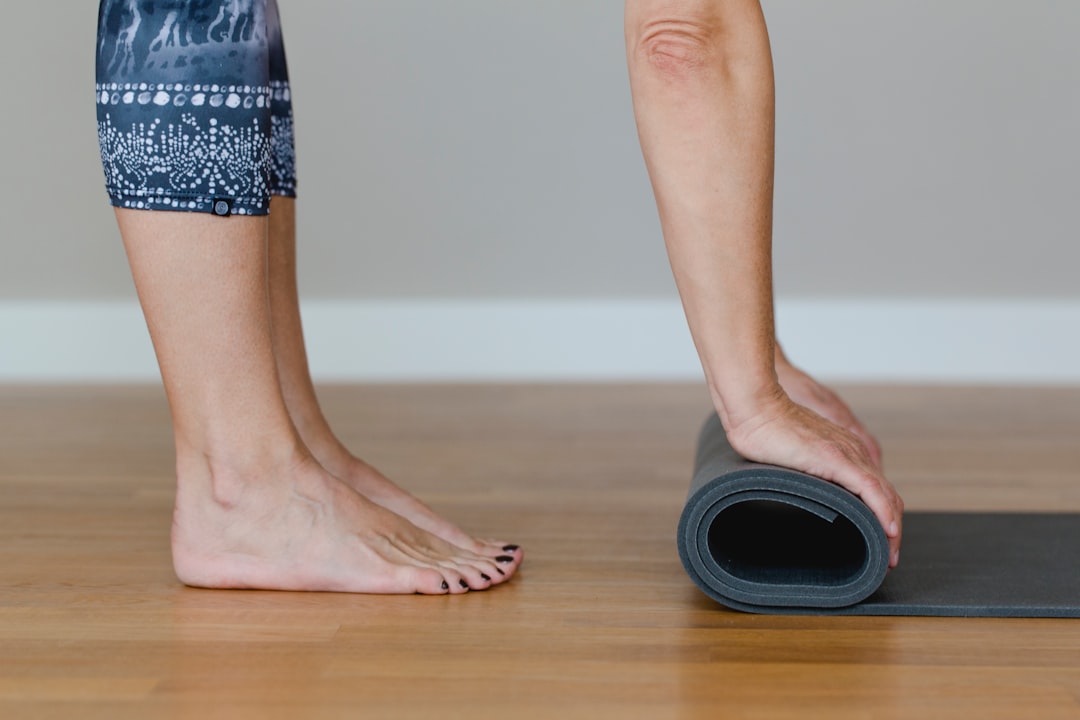
Photo by Hanna Witte on Unsplash
You close the laptop at 7pm and the tension doesn’t close with it. Your shoulders are still up near your ears. Your jaw is tight from a 4pm meeting that ended three hours ago. You’ve tried the breathing app. You’ve tried the ten-minute meditation before bed. Neither one moves the needle because the problem isn’t information, it’s environment. Stress relief workshops work differently: they put your body in a room with other bodies doing the same practice, guided by someone watching how you’re actually responding, not just reading a script into your headphones.
Why workplace stress needs more than meditation apps
Stress lives in your shoulders, your breath pattern, your gut, and your sleep. It’s not a thought you can outsmart with a five-minute app session between Slack notifications. A meditation app gives you information. A workshop gives you conditions: a teacher adjusting your form in real time, a room of people breathing at the same pace as you, a scheduled hour you can’t skip because you told a friend you’d be there. That combination, live instruction plus peer presence plus a small dose of social accountability, is what actually interrupts a stress habit that’s been running for years. Apps ask you to change alone in your apartment at 11pm when you’re already depleted. Workshops change you while you’re surrounded by support.
What happens in a stress relief workshop (first 90 minutes)
First session usually starts with the instructor checking in on the room, not launching straight into poses or breath counts. Then movement: maybe a slow vinyasa sequence, maybe standing somatic release work where you shake out tension held in your hips and jaw. A good instructor watches who’s holding their breath and calls it out gently, adjusts pace for someone who’s clearly wound tighter than the rest of the group. Breath work usually comes next, box breathing or extended exhale patterns, something you can replicate later without a teacher in the room. You leave with one specific technique, not a vague sense that you should meditate more. Think: a four-count inhale, six-count exhale you can do at your desk before a hard meeting.
How to find workshops that actually fit your schedule
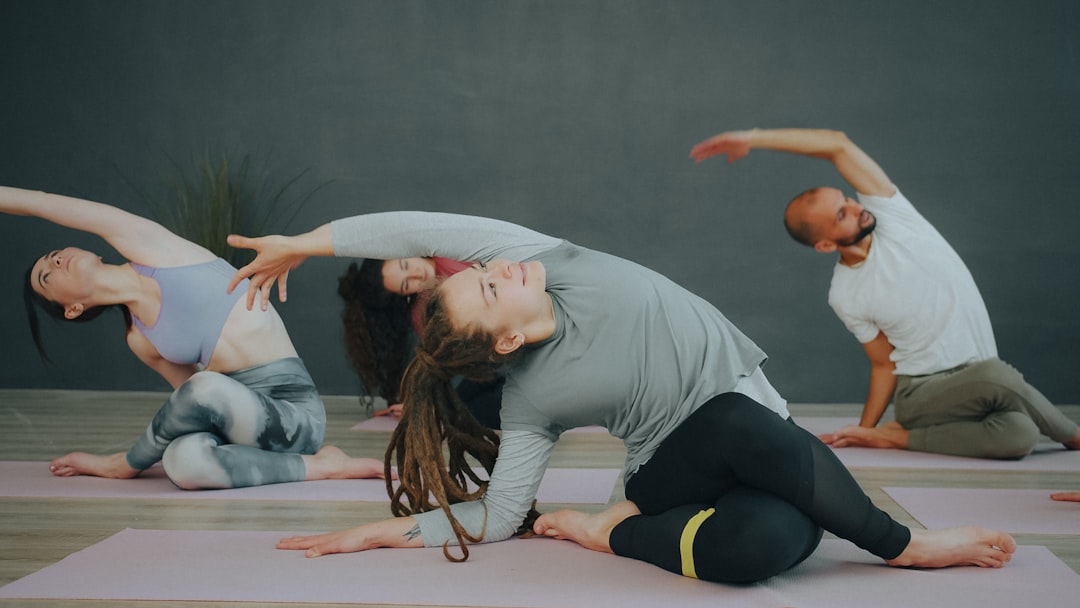
A single three-hour Saturday intensive feels productive, but it rarely changes your Tuesday afternoon at work. Look instead for a recurring format: six weekly sessions, a Tuesday-Thursday class for a month, a progressive series that builds week over week. Consistency beats duration here. A 60-minute class every week for six weeks will reshape your stress response faster than one long session that leaves you sore and inspired for exactly three days. When you’re browsing options, filter for recurring session blocks over one-off events, and check whether the workshop has a defined arc (weeks 1-2 build baseline practices, weeks 3-4 add intensity) or whether it’s the same session repeated with no progression.
Prepare your body and mind before you arrive
Wear something you can move in, not office clothes you’re worried about creasing. Eat something light 90 minutes out, a banana or toast, not a heavy lunch that’ll sit uncomfortably during floor work. Arrive 10 minutes early. That buffer matters more than it sounds: it’s the difference between walking in flustered from traffic and having sixty seconds to sit on your mat and actually arrive in the room. None of this is complicated, but skipping it adds friction that makes the first twenty minutes about settling down instead of doing the work.
The commitment that makes workshops stick
Commit to four sessions minimum before you judge whether it’s working. Your nervous system doesn’t reset in one class. Most people who quit, quit after session one, right before the benefits show up in week two or three when the breathing technique starts working automatically instead of requiring conscious effort. If you’re using Wayfield to register, look at the commitment date the organizer sets. That date exists for a reason: it’s the point past which you’ve promised yourself (and the group) that you’re staying through the arc, not bailing when week one feels awkward.
How to use what you learn between sessions
Pick one technique from the workshop, the extended-exhale breath, the shoulder-roll sequence, whatever landed for you, and do it for five minutes a day between sessions. Five minutes at your desk before a stressful call costs nothing and compounds fast. Write down which technique actually shifts something for you and tell your leader at the next session. That feedback loop is part of what makes workshop learning stick where solo app use doesn’t: someone’s tracking your progress and adjusting the next session based on what you report.
When to combine workshops with other support
Workshops amplify what’s already working in your life. They work best alongside real sleep, regular movement, and boundaries you’re actually holding at work, not as a replacement for any of those. If your stress is acute, if it’s affecting your sleep every night or showing up as physical symptoms that worry you, add a therapist or physician to the mix. A workshop is a powerful tool for breaking a stress habit. It’s not a substitute for clinical support when you need it.
Find workshops near you at wayfield.app/workshops
Recommended Resources
Sports & Outdoors
Article recommends comfortable clothing for workshop participation; yoga mat is standard equipment for stress relief and somatic practice
Breath work and seated practice are central to workshop experience; cushion supports proper posture during these techniques
Somatic release and movement practice mentioned as workshop component; bands extend practice at home
As an Amazon Associate, Wayfield earns from qualifying purchases. Clicking and buying through these links supports this content at no extra cost to you.





Leave a Reply