
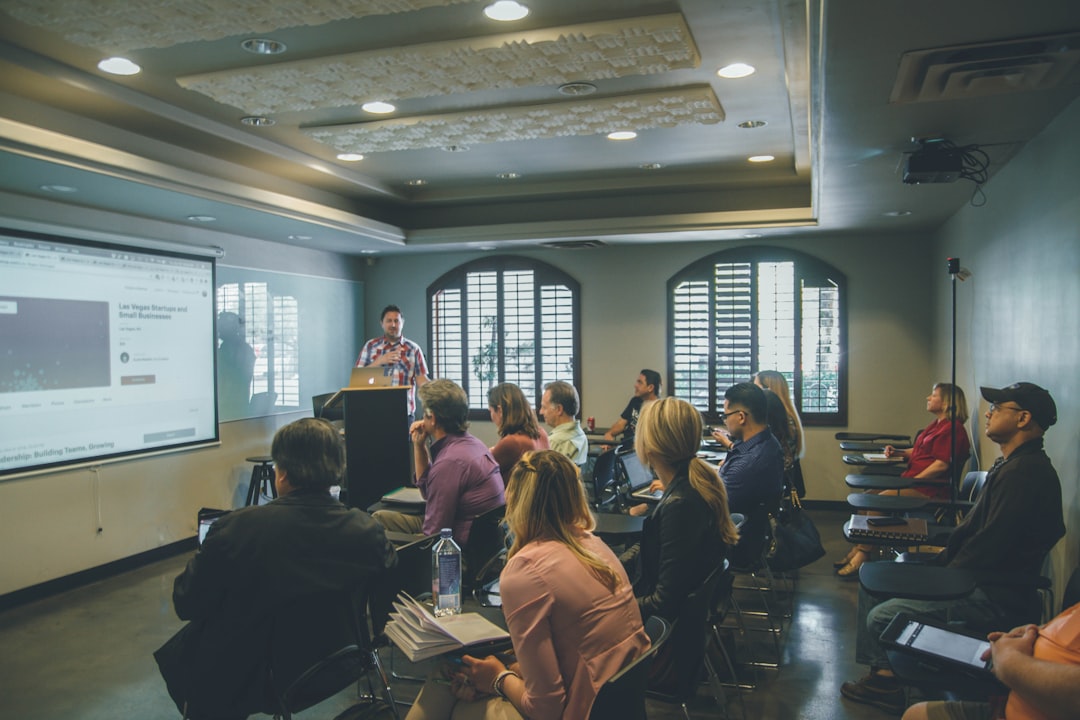
Layoffs, contract cuts, and shifting industries push a lot of creative professionals toward the same question: how to start teaching workshops with the skills they already have. Photographers between contracts, writers between publications, designers between agencies — all sitting on years of expertise that translates directly into paid instruction. Workshops solve a specific problem traditional employment doesn’t: they let you convert existing skill into income without waiting for someone to hire you.
Why Workshops Beat Traditional Employment for Creative Educators
Employment hands control to someone else — your schedule, your students, your rate. Workshops flip that. Set your own hours, choose your format, decide who’s in the room. During a career transition, that control matters more than the paycheck size. A workshop lets you test demand for your expertise without committing to a full-time pivot, and you keep the majority of what you charge instead of splitting it with an employer or platform.
The Economics of a Small Workshop
Run the numbers before you romanticize the idea. A 12-person workshop at $200 per seat generates $2,400 gross. Subtract venue rental, materials, and promotion, and you’re netting somewhere between $1,200 and $1,600 per session. Three of these a month — spaced out, not back-to-back — covers meaningful transition income without demanding full-time hours. This isn’t retirement money. It’s runway while you figure out the next chapter, and it scales as your reputation builds.
Starting With Your Existing Skill
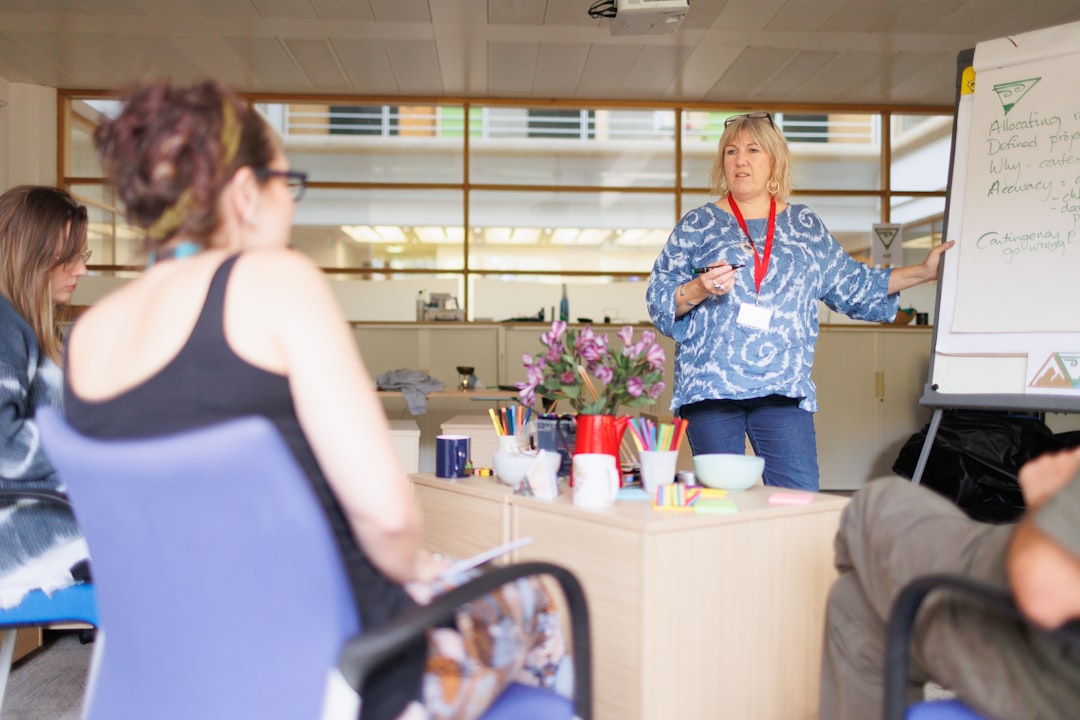
Resist the urge to invent something new. Teach what you already do professionally — photography, writing, design, strategic planning, whatever paid your bills last year. Your track record is the asset, not a fresh idea. Package your existing expertise as a half-day or full-day session first. A single-day photography workshop on lighting technique will sell faster than a vague "creative business" course, because it’s specific and provable. Specificity sells; generalized inspiration doesn’t.
Registration and Commitment: The First Bottleneck
Here’s where most first-time organizers stall. You need 8 to 10 confirmed participants before a workshop becomes profitable — fewer than that and your per-person costs eat the margin. Set a commitment deadline two weeks before the session date, and require a 50% deposit at registration. This single step separates people who are serious from people who are browsing. Without a deposit, you’ll see a roster of 15 interested people shrink to four confirmed attendees the week of the event.
Managing Sessions and Participant Flow
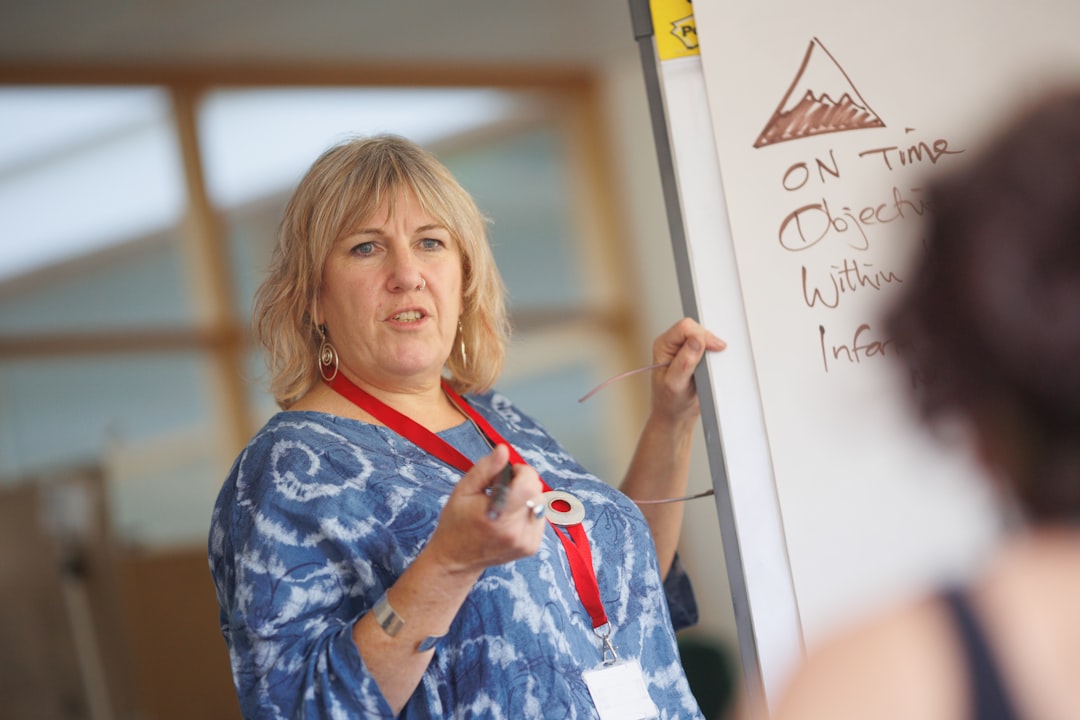
Once registration opens, the tracking problem starts. Who signed up, who paid the deposit, who paid in full, who actually shows up on the day. Miss this and you’ll either overbook a venue or underprepare materials for a group that’s bigger than expected. Join codes make session check-in simple — participants confirm attendance on arrival instead of you running a paper sign-in sheet. Keep a roster that shows registration status at a glance. No-shows are the quiet margin killer in this business: a 20% no-show rate on a 12-person workshop means you planned materials and seating for people who never arrived. Follow up 48 hours before the session — a short reminder message cuts no-shows significantly and gives you time to fill open seats from a waitlist.
Building Recurring Income, Not One-Off Events
The real margin shows up on the second workshop, not the first. Run the same format monthly or quarterly instead of designing a new offering every time. Repeat sessions cut planning time by roughly 70% because your materials, pricing, and messaging are already tested. Your second workshop costs half the setup time of your first — you already know which venue works, which price point fills seats, and which promotional message actually converts registrants. Recurring format also builds a participant list you can market to directly instead of starting from zero every time you want to fill a room.
Where Logistics Meet Reality
Here’s the part nobody mentions when they talk about "starting a workshop business": teaching is the smallest time commitment. Venue coordination, materials prep, participant communication, and scheduling consume more hours than the actual session. This is where a lot of promising side-income workshops stall out — not from lack of demand, but from the organizer burning out on logistics before the third or fourth session.
Centralizing registration, rosters, and participant communication in one system reclaims those hours. Wayfield handles this specifically — join codes for check-in, a live roster showing payment and attendance status, commitment deadlines built into the registration flow, and messaging tools for reaching participants before a session without hunting through email threads. For an organizer running three workshops a month on top of other work, the difference between managing this manually and managing it through one system is the difference between having a business and having a part-time job that never turns off.
Starting workshops during a career transition isn’t about betting everything on a new venture. It’s about converting expertise you already have into income you can control, with margins you can actually calculate. Get the registration bottleneck solved, get the no-show rate under control, and repeat the format that works. The rest is logistics — and logistics, unlike teaching itself, can be systematized.







Leave a Reply