

Photo by Nishant Kulkarni on Unsplash
Two wheels, a folding table, and a garage. That’s the entire studio behind more than a few pottery instructors who now run six-figure workshop calendars. The gap between "I teach pottery on weekends" and "I run a pottery workshop business" isn’t equipment. It’s structure. If you’re already hosting occasional sessions for friends or local hobbyists and want to systematize, the fixes are specific and mostly free.
Start with what you already own
Before you price anything, audit what’s actually in your space. A home pottery workshop needs wheels, clay, hand tools, and kiln access. It does not need a dedicated studio, a second kiln, or a retail storefront.
Most first-time organizers stall on the kiln. A used electric kiln runs $1,500 to $3,000, and a larger one can hit $5,000. You don’t need to own one to start. Community kiln shares exist in most mid-sized cities, and local makerspaces often rent kiln time by the shelf or the hour, usually $15 to $40 per firing depending on load size. Call two makerspaces this week and ask their batch firing rates before you spend a dollar on equipment.
If you have two wheels and a table that seats four, you have enough to run a paid session. The equipment question answers itself once you know your participant cap.
Price to your actual capacity, not your aspirations
A 4-person workshop in your garage and an 8-person workshop in a rented studio are two different businesses with two different cost structures. Conflating them is how organizers underprice their first cohort.
Run the math per session, not per year. Say you’re hosting 4 participants for a 3-hour hand-building class. Clay and tools run roughly $8 per person. Add $10 per person for kiln time, and you’re at $18 in direct cost per seat. Charge $65 and you’ve cleared $47 per person, or $188 for the session. Charge $45 because you’re new and nervous, and you’ve cleared $108 for three hours of teaching, prep, and cleanup combined.
Underpricing doesn’t buy goodwill. It buys a business that can’t survive its own success. Price the session at what a 4-person garage workshop actually costs to run, then let demand tell you when to raise it.
Set a hard participant cap before you promote
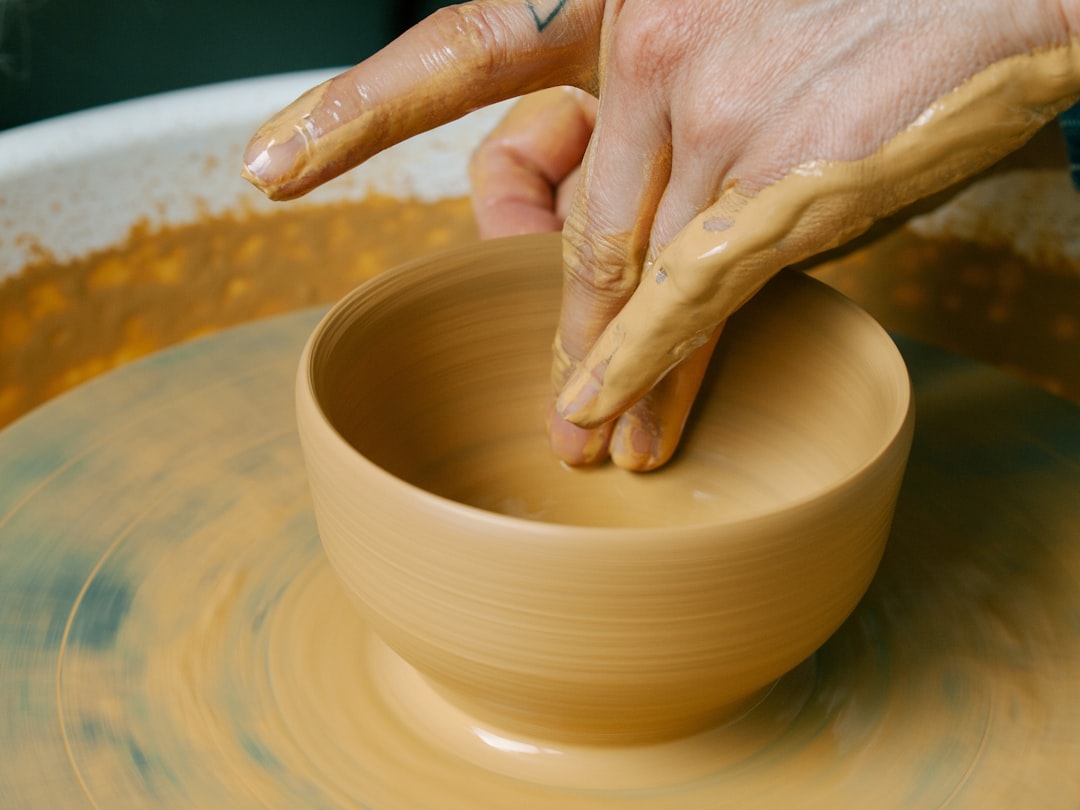
Home pottery workshops top out at 4 to 6 people. Past that, wheel access gets tight, glaze stations get crowded, and your ability to give individual feedback collapses. Decide your number before you post a single flyer.
The temptation to oversell is real, especially when 8 people want in and you’ve only got room for 5. Take the 8th registration anyway and you’ve turned a good class into a cramped one, and the participant who paid full price for a crowded experience won’t rebook. Set your cap, close registration once it’s hit, and start a waitlist for the next cohort. A waitlist is a marketing asset. A crowded garage is a refund request waiting to happen.
Plan your kiln strategy upfront
Firing is the cost that quietly wrecks home pottery workshop margins, mostly because organizers forget to plan for it until pieces are made and someone has to pay for the fire.
Three options work. Partner with a local studio for regular batch firings at a flat rate per shelf. Build kiln access into your pricing as a line item, so participants see "workshop fee: $65, firing and pickup: $15" instead of you eating a surprise $80 bill after the fact. Or, if you own a kiln, calculate your actual per-firing cost (electricity, element wear, your time loading and unloading) and fold it into your base price.
Whatever you choose, don’t absorb the firing cost yourself in year one. That’s the fastest way to turn a profitable class into a break-even hobby.
Create a simple registration and payment flow
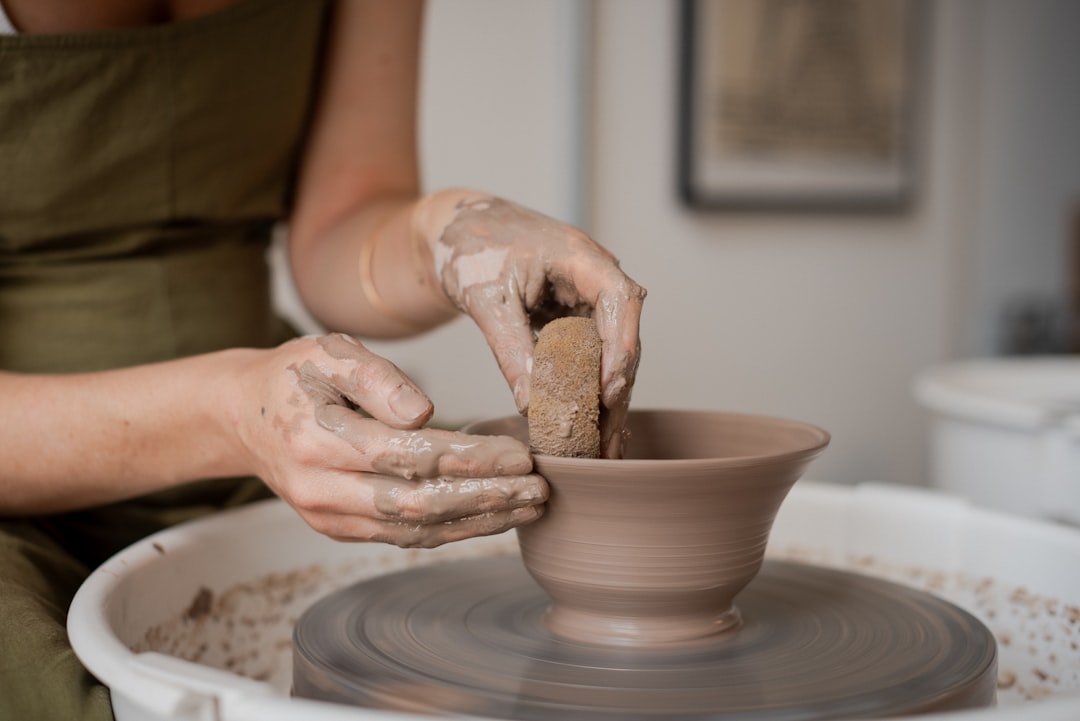
You need confirmed headcount before you buy clay, not after. Buying materials for "probably 5 people" and getting 3 who show up is how organizers lose money on workshops that were priced correctly.
A registration flow with payment or deposit collected upfront solves this. Set a commitment date a week before the session, require payment to hold a seat, and you’ll know your exact headcount in time to buy the right amount of clay and book the right kiln slot. Wayfield handles registration, payment collection, and the participant roster in one place, so you’re working from confirmed numbers instead of a guest list of maybes. That’s the difference between planning a workshop and hoping one happens.
Build recurring sessions into your first year
One workshop teaches you something. Six workshops teach you a business. Design your format, say a 3-hour hand-building intro, as a repeatable session and run it 4 to 6 times over the year instead of rebuilding each class from scratch.
The setup work (sourcing clay suppliers, negotiating kiln rates, writing your session outline) gets done once and pays off across every cohort after. Your second session takes half the planning time of your first. Your fourth session tells you exactly which price point fills the room in 48 hours and which one leaves three empty seats.
Separate material costs from participant fees
Don’t guess at your numbers. Track clay cost, tool wear, and firing cost per participant after your first session, then use real data to set your second session’s price.
Two pricing models work: a flat all-inclusive fee ($75, materials and firing included), or a base fee plus materials line item ($55 workshop fee, $20 materials and firing). The second model is more transparent and easier to adjust when clay prices shift or you switch kiln providers. Pick one, publish it clearly, and revise it after your first real cohort tells you where your estimate was off.
A home pottery workshop doesn’t need infrastructure. It needs a cap, a price built from real numbers, and a system that confirms participants before you spend money on supplies.
Start your first workshop free at wayfield.app/getting-started, no credit card required.
Recommended Resources
pottery wheels
The article opens with wheels as essential equipment; a home potter starting sessions will likely need a reliable compact wheel.
pottery clay
Direct mention of clay as a per-session cost; organizers pricing sessions need bulk clay supplies.
pottery hand tools
Hand tools are listed as a core requirement for a home pottery workshop; new organizers need starter sets.
art aprons
Home pottery instructors running paid sessions will benefit from professional protective gear.
As an Amazon Associate, Wayfield earns from qualifying purchases. Clicking and buying through these links supports this content at no extra cost to you.





Leave a Reply