
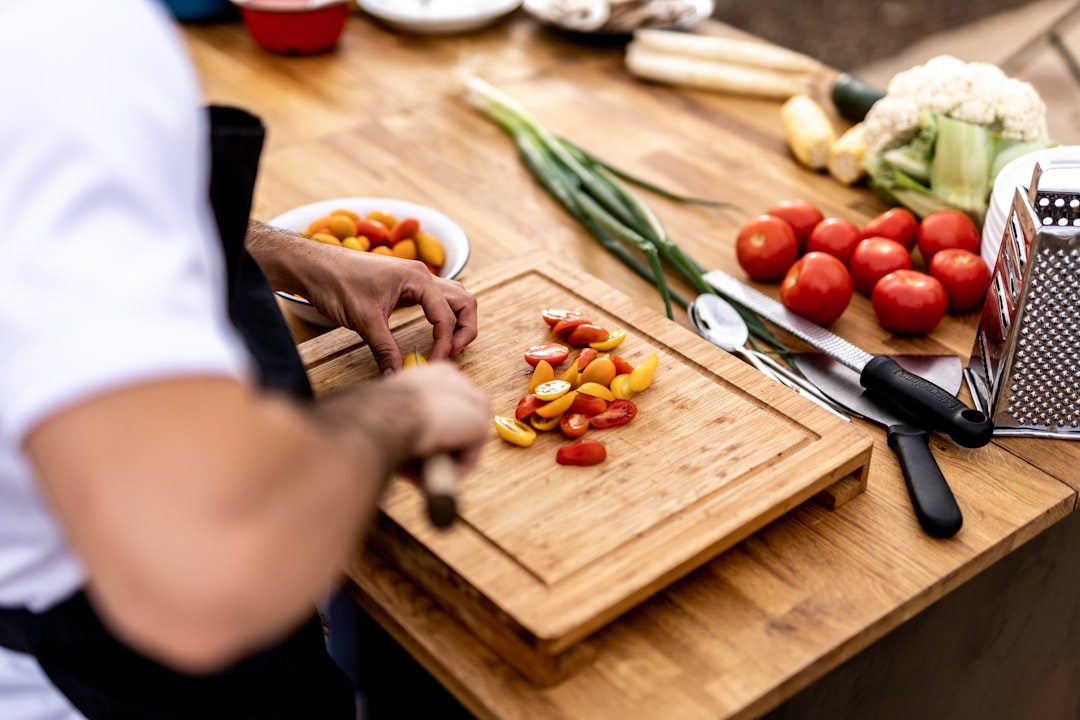
You stand at the cutting board with a whole onion and no idea if you’re holding the knife right. Your hands are damp. You’ve already Googled "how to dice an onion" three times and watched two videos, but the fear that you’ll ruin dinner, or worse, embarrass yourself in front of someone, hasn’t budged. Cooking anxiety isn’t about lacking recipes. It’s about lacking a safe place to fail while you learn.
What Cooking Anxiety Actually Is (And Why Workshops Help)
Cooking anxiety usually traces back to one of three things: a past disaster (the collapsed soufflé, the smoke alarm at Thanksgiving), perfectionism that turns every step into a test, or plain overwhelm from facing a recipe with fifteen steps and no idea which ones matter most. None of that gets fixed by reading more.
Structured workshops fix it by removing the guesswork. Someone has already tested the recipe. A skilled instructor is watching your knife angle and your stove dial in real time. And the person next to you at the cutting board is just as nervous as you are, learning the exact same skill. That shared beginner status does more for anxiety than any pep talk.
Start With a Single Technique, Not a Full Menu
Skip the workshop that promises a five-course dinner party menu in three hours. That format is built for people who already have baseline skills and want a fun night out, not for someone rebuilding confidence from zero.
Look instead for workshops built around one technique: knife skills, a mother sauce, bread baking, or egg cookery (the classic French omelet is a brutal, humbling teacher in the best way). A two-hour class on knife work, where you dice an onion twelve times until your grip stops shaking, builds more transferable confidence than an afternoon trying to learn six dishes at once. Master one motion and you carry it into every future kitchen.
Why In-Person Learning Beats Videos and Cookbooks
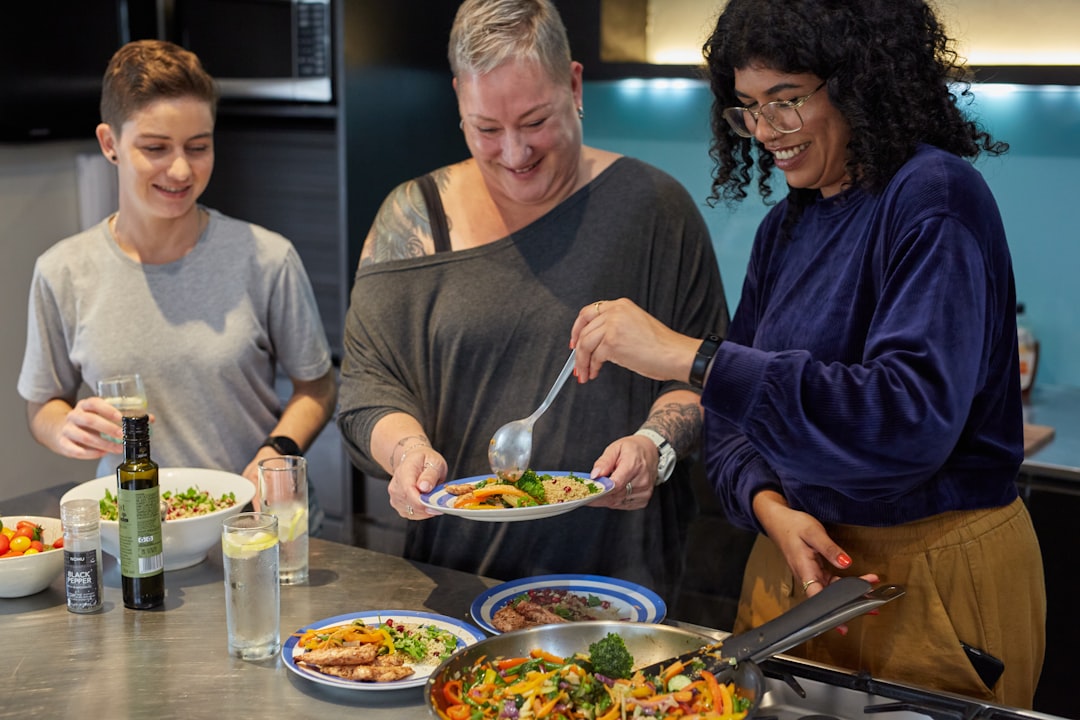
A cookbook can’t watch you hold a chef’s knife wrong. A YouTube video can’t tell you your pan is 50 degrees too hot before the butter burns. An instructor standing at your station can, and does, in the moment it actually matters.
This is the piece meal kits and recipe apps can’t replace: sensory feedback. You taste what a properly seasoned stock actually tastes like, side by side with an under-salted one. You feel the resistance change in a piece of chicken as it finishes cooking. That kind of correction, delivered in real time by someone who’s done it thousands of times, is what turns anxious guessing into muscle memory.
The Pressure to Be Perfect Is the Real Problem
Professional chefs burn things. They oversalt, they undercook, they toss batches and start again, every single service. Most workshop instructors will tell you this outright in the first five minutes, because they’ve watched perfectionism paralyze more students than any technical mistake ever has.
Give yourself permission to mess up, taste as you go, and adjust mid-recipe. That permission is the actual mechanism that dissolves cooking anxiety. The stakes only feel high because you’ve assigned them. A workshop with the right instructor removes that weight before you even pick up a knife.
How to Choose a Workshop That Matches Your Comfort Level
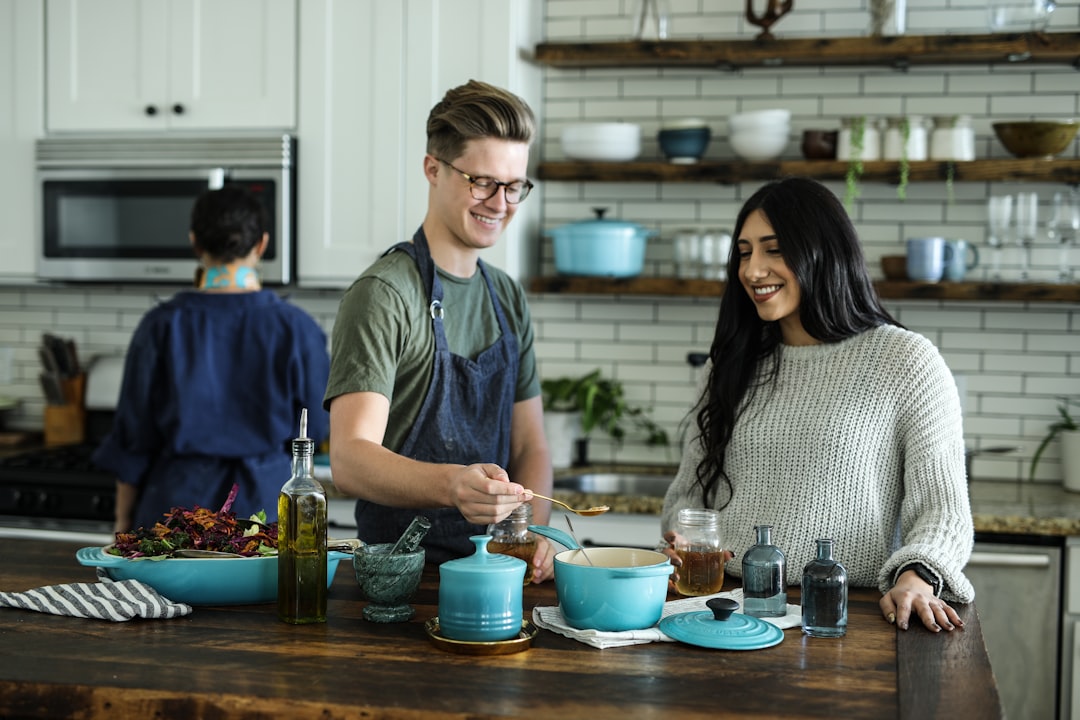
A packed demo class where forty people watch a chef from folding chairs will not help you. You need hands-on stations, a small roster (ten to twelve participants is the sweet spot for a real kitchen), and an instructor who visibly wants questions.
Before registering, check the session description for language like "beginner-friendly," "no experience necessary," or "mistakes welcome." Workshops built for anxious cooks read differently than ones aimed at experienced home cooks looking to refine technique. On Wayfield, session listings usually spell out group size and skill level upfront, so you can filter for exactly that kind of low-pressure environment before you commit a registration fee.
What to Do Before Your First Session
Read the full session description twice. Note what’s provided and what you need to bring. If the workshop expects you to arrive with your own chef’s knife, buy or borrow one ahead of time so you’re not fumbling with an unfamiliar tool on day one.
Show up ten minutes early. That buffer gives you time to find your station, meet your neighbor, and settle before the instructor starts talking. If your anxiety is significant, say so quietly to the leader before class begins. They’ve taught dozens of nervous first-timers. A heads-up lets them check in on you without singling you out in front of the group.
After One Workshop, Your Next Move
One class won’t erase years of kitchen avoidance, and it isn’t supposed to. What it does is prove you can survive an hour with a knife in your hand and come out with something edible.
Book your next session in the same skill area, or with the same instructor if the fit was good. Repetition with a familiar technique, taught by someone you already trust, compounds confidence faster than chasing a new cuisine every time. Three sessions on knife work will do more for your kitchen anxiety than one session each in Italian, Thai, and French cooking.
Find workshops near you at wayfield.app/workshops.
Disclosure: This post contains affiliate links. If you make a purchase through these links, we may earn a small commission at no extra cost to you.
Recommended Resources
chef knives
The article specifically discusses proper knife grip and knife work as a foundational technique for building cooking confidence.
meat thermometers
Temperature control and doneness detection are critical sensory feedback skills discussed in the article.
cookware sets
Mother sauces are cited as a foundational single-technique workshop focus, requiring quality cookware for proper heat control.
cutting boards
A stable, non-slip cutting board is essential for building confidence in knife skills and reducing anxiety during practice.
As an Amazon Associate, Wayfield earns from qualifying purchases. Clicking and buying through these links supports this content at no extra cost to you.



Leave a Reply