
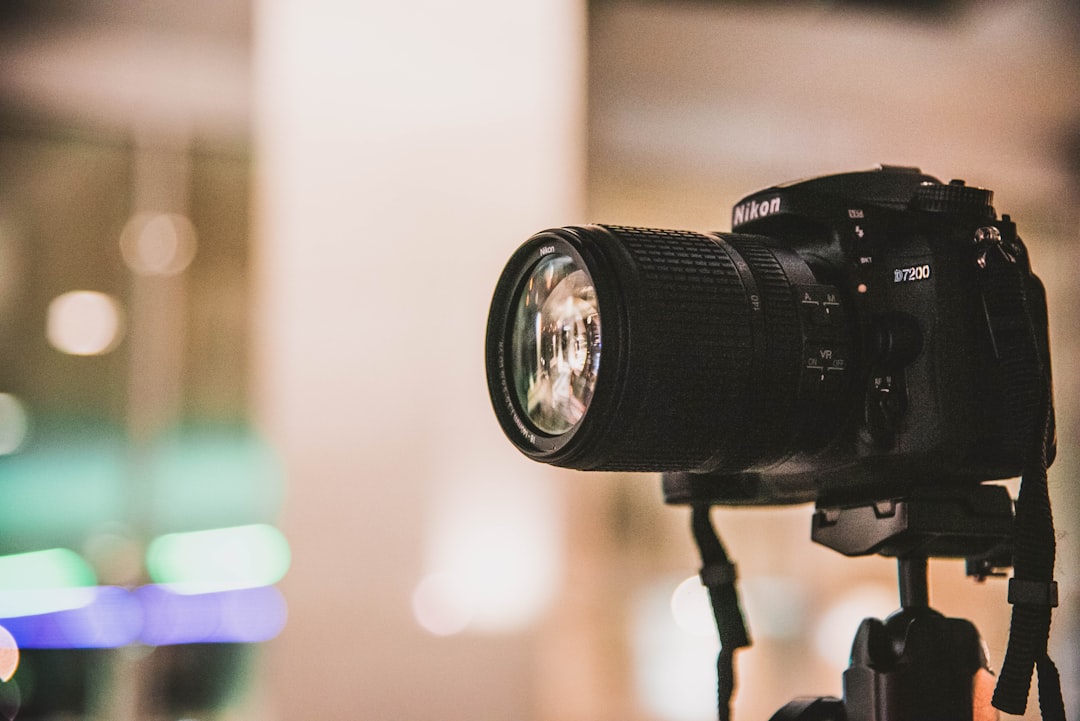
You’ve got $800 saved for photography education this year. A weekend workshop with a landscape photographer you admire costs $650. A year of YouTube tutorials costs nothing but your Sunday mornings. The photography training formal vs self-taught question isn’t abstract when you’re staring at your bank account trying to decide where that money goes.
Most people frame this as a credential question. It’s not. It’s a feedback question. And the answer changes depending on what stage you’re at and how honestly you can see your own work.
Formal training gives you structure and feedback loops self-teaching can’t replicate
An instructor who reviews your images weekly catches the pattern you can’t see in your own shooting. Say you consistently underexpose skin tones by a third of a stop in golden hour light. You won’t notice this on your own screen at 11pm after a shoot. A second set of trained eyes catches it in week two, not month eight.
Self-teaching means you find out you’ve been metering wrong when you finally print a batch of images and the shadows crush. That’s three months of shoots with the same fixable error baked into all of them. Formal structure interrupts the mistake before it becomes muscle memory. Self-teaching lets it calcify.
Self-teaching costs less upfront but requires brutal honesty about your own work
No tuition. No travel. No workshop fee. You pay with time instead, specifically the time spent untangling mistakes nobody flagged for you.
This only works if you can critique your own images with the same rigor an experienced photographer would apply. Pull up your last 20 street photography shots. Can you name, specifically, why three of them work and seventeen don’t? Most photographers can’t. They know something feels off but can’t diagnose it, which means they can’t fix it. Self-teaching demands a level of self-assessment that takes years to develop, and by the time you have it, you’ve usually stopped needing lessons anyway.
Formal workshops compress learning into dense time with working photographers
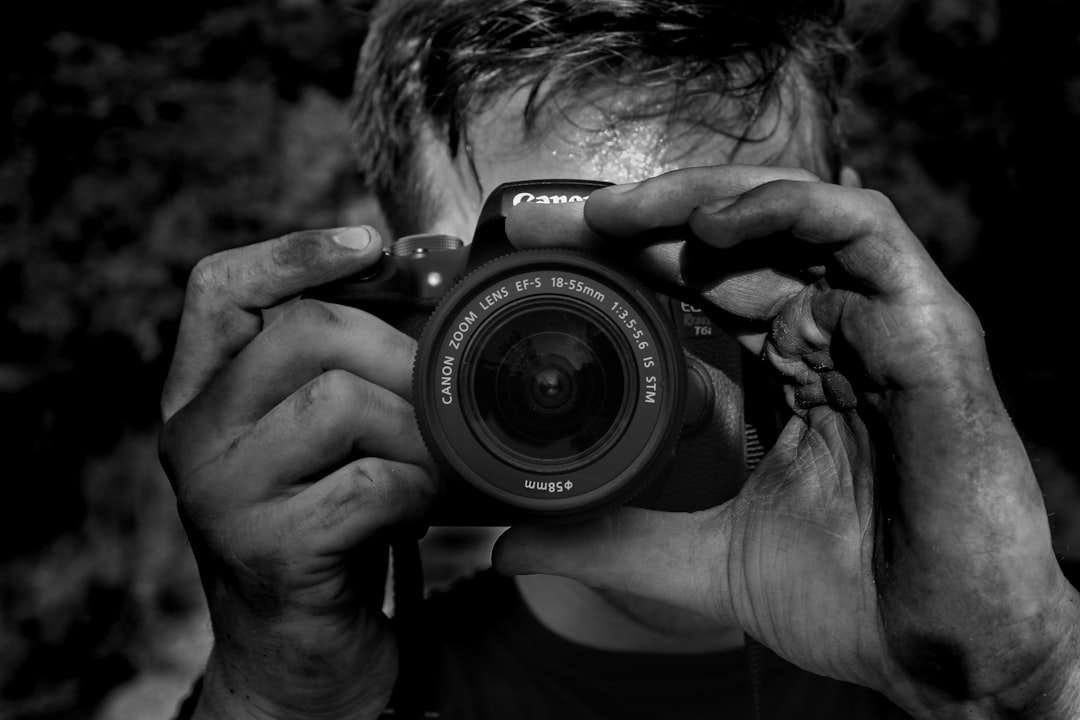
A 3-day intensive with a photographer whose work you actually respect does something tutorials can’t: it shows you decision-making under real conditions. You watch them scout a location at 5am, decide the light isn’t worth waiting for, and move to a backup spot with better cloud cover. You see them choose a 2-stop ND filter over a 6-stop for a specific waterfall shot and explain why in real time.
That’s transmission, not instruction. Self-teaching gives you their finished images and maybe a blog post about their process. It never gives you the fifteen small judgment calls that happened between sunrise and the final frame.
Community and accountability change the game for momentum
A cohort of six to twelve other photographers keeps you shooting when motivation dips. You’ve got a commitment date. A room full of peers expects to see your portfolio review images on day three, not whenever you feel inspired.
Solo practice runs on self-motivation, and most photographers overestimate how much of that they’ll have by year two. The gear excitement fades. The Instagram feedback loop gets thin. Without a group or a deadline, cameras start collecting dust in closets. This is the quiet reason formal workshops retain people that self-teaching loses.
Self-taught photographers need a mentor, not just a library of tutorials
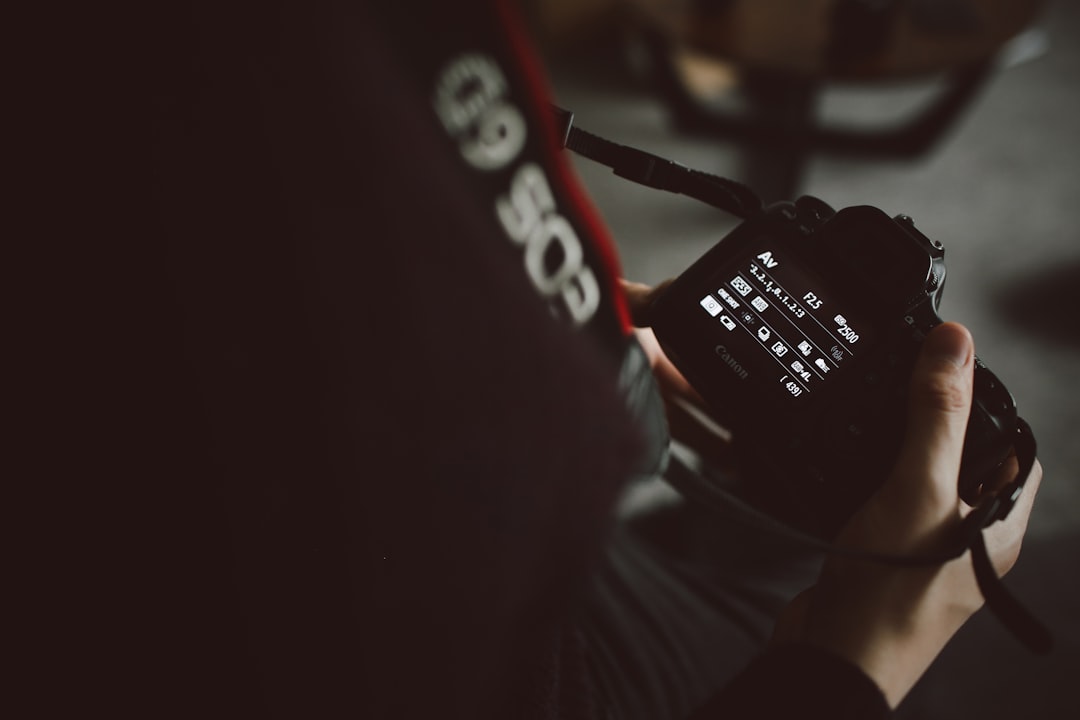
YouTube will teach you how to use a tripod, how to bracket exposures, how to shoot in manual mode. It won’t tell you which of those skills actually matters for the kind of photography you want to make.
Someone shooting intimate portrait sessions doesn’t need to master astrophotography stacking techniques. Someone building a wedding photography business doesn’t need six months on large-format landscape work. Without a mentor to filter priorities, self-taught photographers often optimize the wrong skills entirely, get technically competent at things that don’t serve their goals, and feel stuck despite putting in real hours.
Hybrid approach: workshops for use, practice for ownership
The strongest photographers use both. Take a formal workshop to get velocity and direction, then go practice solo to integrate what you learned into muscle memory. When your questions get specific (not "how do I use a tripod" but "how do I handle mixed lighting in a reception hall") return to another workshop with a photographer who specializes in that problem.
This avoids two traps: the isolation of pure self-teaching, where you plateau without noticing, and the dependency trap of only ever learning inside a classroom, where you never build the instincts that come from shooting alone in unpredictable conditions.
What to look for in a photography workshop before committing
Before you register, check three things. Who’s leading it, and does their portfolio match what you want to shoot. How many participants are in the room; a 40-person lecture with a projector isn’t mentorship, it’s a talk. And whether feedback is one-on-one or generic group critique.
A 6-person workshop with individual portfolio review will teach you more in two days than a 40-person seminar teaches in a month. Size and structure determine whether you leave with specific, actionable feedback on your own images or a set of general tips you already half-knew.
When you’re browsing options, look past the marketing photos and check the actual session structure: group size, leader background, and what the feedback format looks like day to day. Find workshops near you at wayfield.app/workshops.
Recommended Resources
camera filters
Article specifically mentions ND filters as a decision point in real-time shooting; photographers use these for waterfall and landscape work.
camera tripods
Landscape photography workflows require stable tripod setup for compositions discussed in the article.
color correction tools
Golden hour metering and exposure control require white balance and color correction tools; directly addresses the skin tone underexposure problem mentioned.
As an Amazon Associate, Wayfield earns from qualifying purchases. Clicking and buying through these links supports this content at no extra cost to you.




Leave a Reply