

Photo by Billetto Editorial on Unsplash
You typed "visual arts workshops near me" into a search bar last week, found eleven results, and closed the tab an hour later without booking anything. The problem isn’t a shortage of options. It’s that most listings give you a photo, a price, and a vague description like "explore your creativity," none of which tells you whether the class matches what you want to learn.
Picking the wrong workshop costs more than the registration fee. It costs a Saturday morning, a parking spot, and the motivation to try again next month. Here’s how to filter fast and land in the right room the first time.
Know what you actually want to make
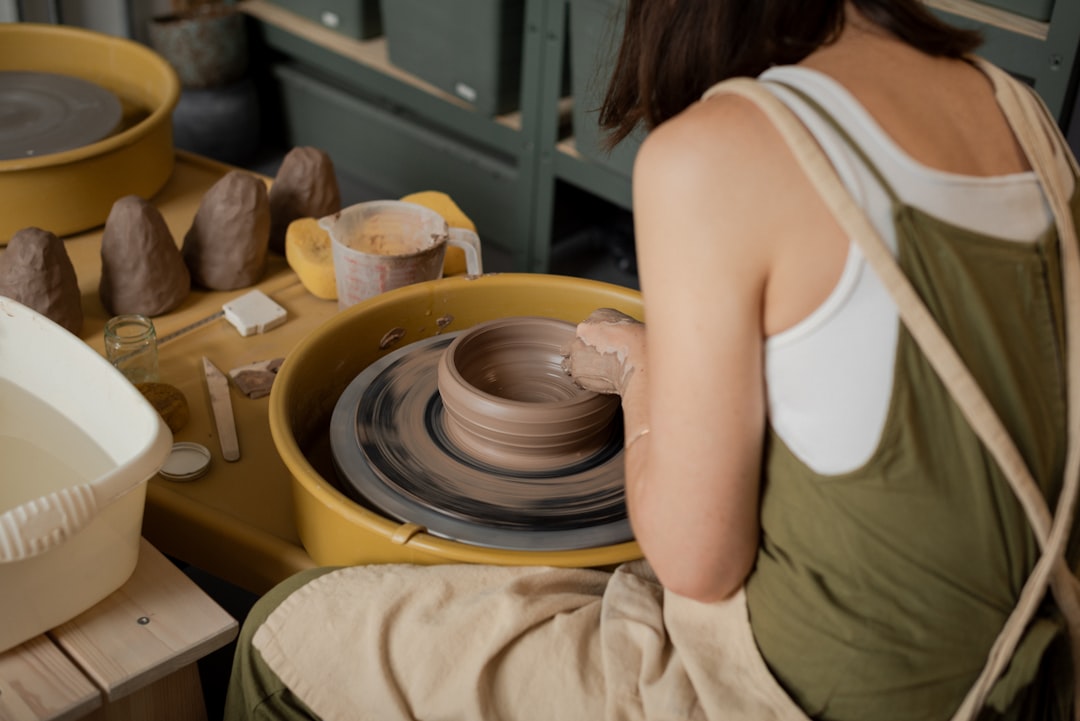
"I want to get into art" isn’t a search query that leads anywhere useful. Drawing, watercolor painting, ceramics, printmaking, mixed media collage: each pulls from different skills, different materials, different instructor specialties. A wheel-throwing ceramics class and an intro to charcoal drawing class share almost nothing except the word "art" in the listing.
Before you search, name the specific thing. Not "painting" but "acrylic landscape painting for beginners." Not "ceramics" but "hand-building, not wheel-throwing, because I don’t want a studio membership." That specificity turns eleven vague results into two or three that actually fit, and it saves you the two weeks you’d otherwise spend browsing listings that all sound the same.
Check instructor credentials, not just bio length
A long bio about someone’s "lifelong love affair with color" tells you nothing about whether they can teach you to mix a shadow correctly. Look past the narrative and check for evidence: a portfolio link, a list of galleries or publications, a record of workshops they’ve actually led.
A leader who’s taught the same six-week watercolor series forty times has refined their explanations, their pacing, their handouts. Someone running their first public class might be talented but untested as a teacher. Both can be worth your time, but know which one you’re signing up for before you pay.
Verify class size and what you get for the price
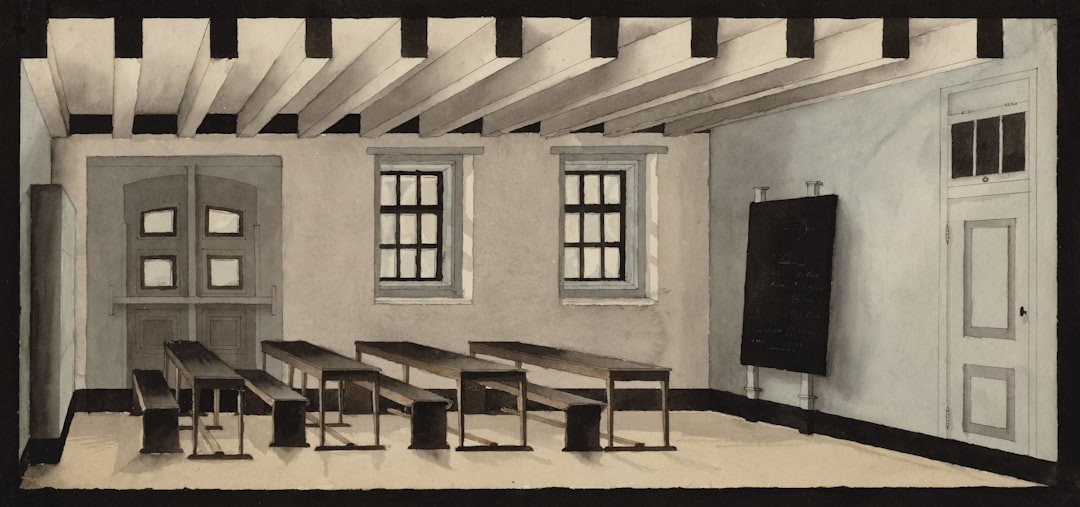
A $45 painting workshop with twenty participants and an $80 workshop with six participants aren’t the same product wearing different price tags. The larger class means less individual feedback and more time waiting for the instructor to reach you. The smaller one means more correction time and often more materials included in the fee.
Higher price doesn’t always mean better instruction. It usually means a lower participant-to-instructor ratio. If you’re a beginner who needs someone to catch your grip on the pencil before bad habits set in, pay for the smaller room. If you’re comfortable working independently, the larger group works fine and saves you money.
Test the registration and communication process
Before you commit money, commit five minutes to testing the process itself. Can you view the full session schedule before paying, or does the site force you to register first and find out details later? Does the organizer answer a quick message within a day?
A platform that shows you the complete schedule, the materials list, and the leader’s response time before you commit is telling you something about how the class will run. Wayfield workshops list session details and leader messaging windows upfront, so you can ask about materials or skill level before paying a deposit. If an organizer goes quiet before you’ve even registered, that’s a preview of what happens after.
Read reviews from people like you, not everyone

Five stars from someone who wanted a relaxing evening with wine and canvas means something different than five stars from someone chasing serious technique. Both reviews can be accurate and still point you toward the wrong class.
Scan reviews for language that matches your goal. If you want real color theory and someone writes "so fun, didn’t feel like a class at all," that’s a signal the workshop leans casual, not technical. Look for reviewers who mention skill progression, specific feedback from the instructor, or what they made and how it turned out. Those details tell you more than a star rating ever will.
Watch for commitment and cancellation policies
Some workshops take a deposit that vanishes the moment you cancel, even three weeks out. Others let you drop with a full refund up to a week before the session. Read the policy before you register, not after your kid gets sick or your schedule shifts.
This matters more for recurring, multi-session workshops. A four-week pottery series with a strict no-refund policy carries more risk than a single Saturday drawing class. Know the commitment date and what happens if life gets in the way before you hand over a card number.
Confirm location and timing actually fit your week
A workshop that looks perfect on paper falls apart by the third session if it’s 45 minutes away and starts at 7 PM on a Tuesday. Check the exact address, not just the neighborhood name. Check the actual start and end time, and add your real commute, not the optimistic one Google Maps gives you at 2 PM on a Sunday.
A workshop 10 minutes from your house at 6 PM beats a "better" one across town at 7:30, because you’ll actually show up to all of them. Consistency beats prestige when you’re building a new skill.
Running "visual arts workshops near me" through these seven filters turns a scroll-and-guess search into a five-minute decision. You’ll skip the classes that waste your Saturday and land in the ones that actually teach you something.
Find workshops near you at wayfield.app/workshops
Recommended Resources
art-supplies
Article mentions acrylic painting as a specific workshop type; oil and acrylic painters use similar supplies
Watercolor is explicitly mentioned as a workshop format; pads are essential supplies
Article names charcoal as a specific workshop type; sets are standard beginner purchases
As an Amazon Associate, Wayfield earns from qualifying purchases. Clicking and buying through these links supports this content at no extra cost to you.






Leave a Reply