
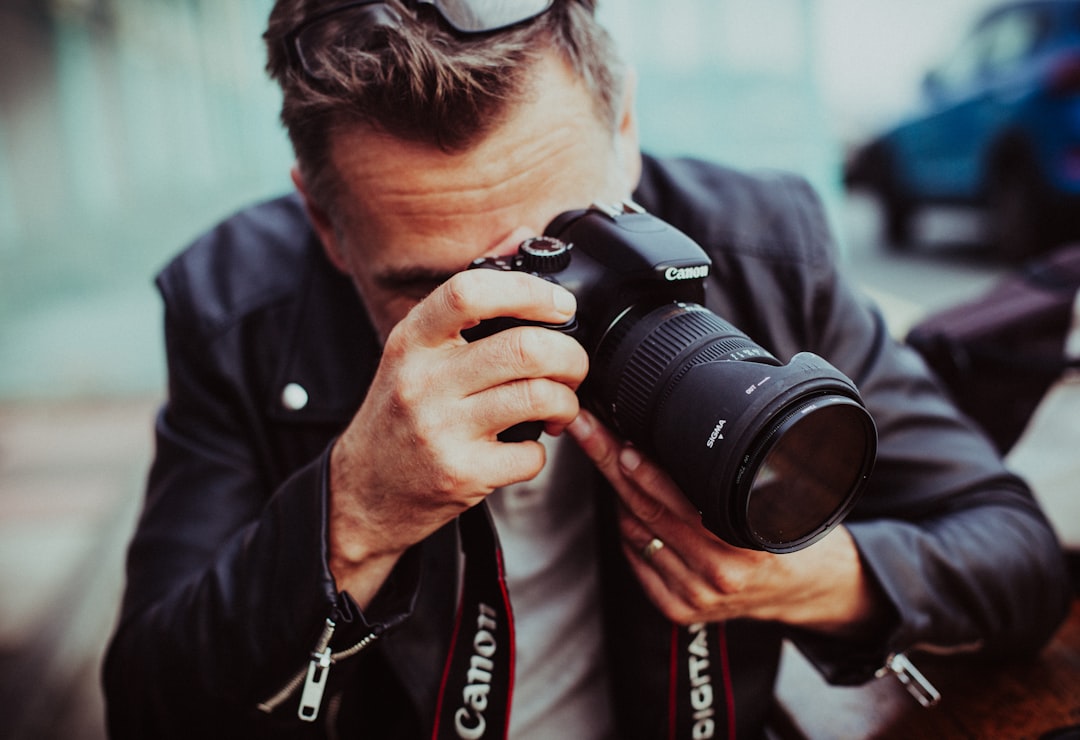
Photo by Clem Onojeghuo on Unsplash
Why Most Photography Instructors Underprice Their First Workshop
You spent three years mastering off-camera flash and location scouting. Then you priced your first workshop at $45 per person for a full six-hour day. Do the math: 8 participants, $360 gross, minus a $75 venue fee, minus gas and printed handouts. You cleared maybe $250 for a full day of teaching plus the ten hours you spent prepping the curriculum.
This happens because new instructors confuse pricing with self-worth. Charging $45 feels humble. Charging $95 feels like a claim you’re not ready to make. But teaching photography workshops professionally means treating price as a business lever, not a character statement. Participants don’t judge your skill by your rate. They judge it by what they learn and whether the group felt worth their Saturday.
The Math Behind Sustainable Pricing
Run the same six-hour workshop at $95 per person with 10 participants and you generate $950 in revenue. Subtract venue costs ($200 for a half-day rental at a botanical garden or studio), materials ($150 for printed guides, name tags, and coffee), and a fair value on your prep time ($150, roughly ten hours at $15). You net $450 for delivery.
That $450 isn’t the whole story. It represents months of marketing groundwork, not a single afternoon. Run this format quarterly and you’ve built $1,800 in supplemental annual income from four workshops, without touching your day job or your existing client roster. The number looks modest until you compare it to the $250 you’d have cleared at $45 per head. Same group size, more than double the margin.
Scaling Without Adding More Workshops
The instinct after a successful workshop is to run a second one next month. Resist it. Adding a second date doubles your logistics, your marketing effort, and your risk of burnout. Raising your price does none of that.
Move from $95 to $115 per person and you keep the same 10-person cap, the same single Saturday, and the same prep work. What changes is who shows up. A $115 price filters for participants who’ve already decided they’re serious. They arrive on time, bring a charged battery and a spare memory card, and stay through the golden hour session instead of leaving early because they got what they came for at a bargain rate. Completion rates climb. Those participants tell friends. Word-of-mouth referrals cost you nothing and convert better than a Facebook ad ever will.
How Registration Deadlines and Deposits Protect Your Margin
A no-show at a 10-person workshop isn’t a minor inconvenience. It’s a 10% revenue loss on materials you already bought and a seat you could have sold to someone on a waitlist. The fix is structural, not hopeful.
Collect a 20% deposit at registration. On a $115 workshop, that’s a $23 hold that signals real intent, not a maybe. Pair it with a firm registration deadline five days before the shoot date. Five days gives you enough runway to order materials for the exact headcount and to pull from a waitlist if someone drops. Organizers who add both a deposit and a deadline report cutting last-minute cancellations by half. That’s the difference between guessing how many location permits to print and knowing.
Building Recurring Income from One-Time Students
Most instructors treat the workshop as the entire transaction. Teach the golden hour session on portrait lighting, collect payment, done. But roughly 30% of participants leave a good workshop wanting more structure, not just more content.
Offer a 4-week email series of weekly assignments (an ND filter long-exposure challenge, a street photography contact sheet review) for $25. Or run a monthly group critique session over video call for $40, where participants submit five images and get feedback in a small group setting. Neither requires new curriculum development. Both convert a one-time $115 purchase into a participant who pays you again in 30 days, then again the month after that. Ten workshop graduates who take the $40 monthly critique represent $400 in recurring revenue you didn’t have before, built on content you’re already creating for your own practice.
Managing Your Participant List and Capacity
Cap your first workshop at 8 to 10 people. At that size, you can walk the group through manual exposure settings individually, catch the person who set their tripod on an uneven surface before the shot is ruined, and still get everyone through a sunset session with usable images.
Push past 15 participants and the math inverts. You’re now managing crowd logistics instead of teaching. Feedback gets generic. The participant who needed help with focus stacking during the macro segment doesn’t get it, and that shows up in your reviews three days later. Small groups create the intimacy that makes people refer friends and rebook for the next season. Scale the group size only after your teaching workflow runs on autopilot, not before.
Tools for Registration and Commitment Tracking
Spreadsheets work until they don’t. At 10 participants you can track deposits, dietary notes, and gear lists in a shared sheet. At 25 across two workshop dates, you’re manually cross-referencing who paid, who’s still owing a deposit, and who needs a reminder email 48 hours before the commitment date.
A workshop platform built for this handles registration, tracks deposits against your commitment date automatically, sends reminders without you drafting a single email, and hands you a clean roster with contact details and payment status in one view. That’s hours back in your week, hours better spent scouting the next location or editing sample images for your marketing page.
Start your first workshop free at wayfield.app/getting-started, no credit card required.
Recommended Resources
photography backdrop stands
Portable studio backdrop equipment is essential for controlled shooting locations in professional photography workshops.
camera memory cards
Memory cards are consumable supplies participants should bring to workshops; instructors often recommend specific reliable brands.
camera batteries
Backup camera batteries are essential gear for full-day photography workshops where power is critical.
camera tripods
Tripods are fundamental equipment for teaching composition, off-camera flash technique, and location scouting in professional workshops.
studio lighting equipment
Off-camera lighting equipment is core to teaching professional photography technique and location scouting skills.
As an Amazon Associate, Wayfield earns from qualifying purchases. Clicking and buying through these links supports this content at no extra cost to you.





Leave a Reply