
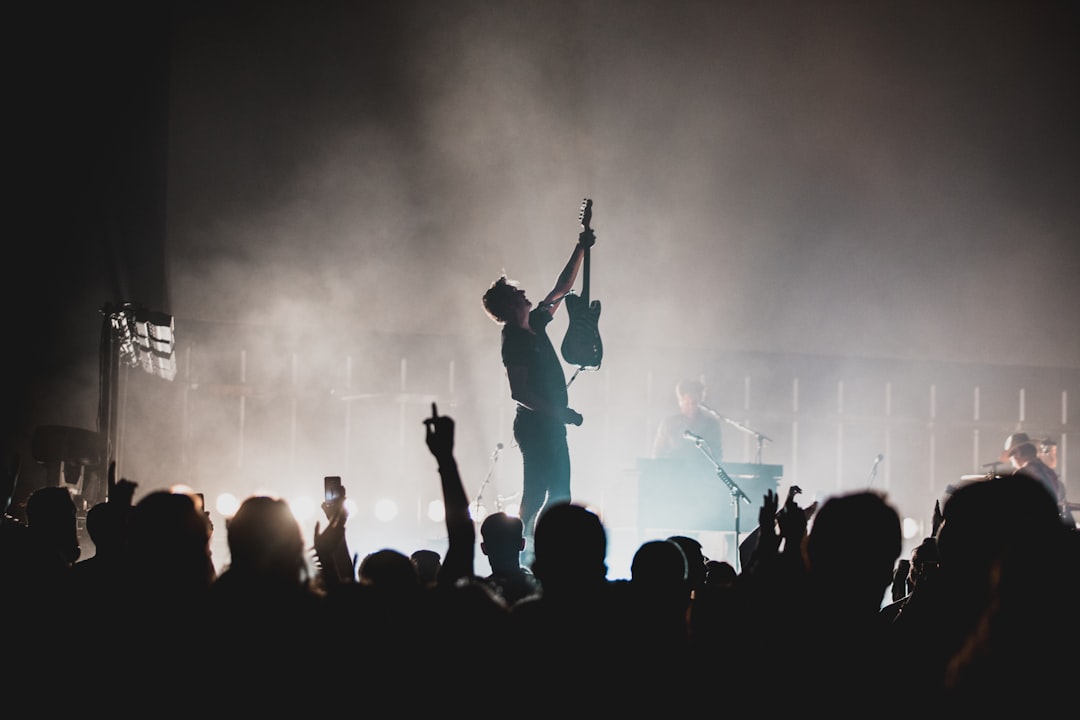
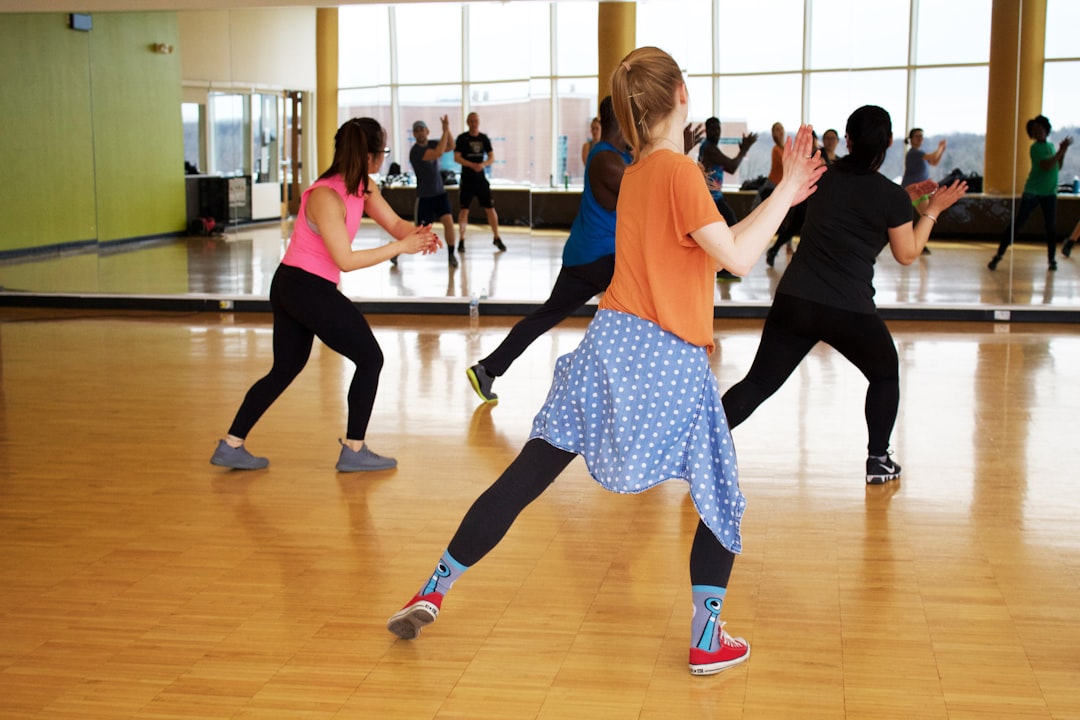
Photo by Spencer Davis on Unsplash
You open a search for beginner music lessons and forty tabs later you’ve got a ukulele intensive in Portland, a jazz piano weekend in Chicago, and a voice workshop that promises to "unleash your inner performer." None of it tells you which one is right for someone who has never held an instrument with intention. That’s the actual problem with beginner music lessons: where to start isn’t a search query, it’s a decision tree, and most workshop listings skip the tree entirely.
Know what you actually want to learn, not what sounds impressive
Piano sounds serious. Guitar feels accessible. Vocal training seems personal, almost brave. None of that matters if you won’t practice.
Here’s the test: picture yourself at home, three days after the workshop ends, with fifteen free minutes. Do you reach for the instrument, or find a reason to scroll instead? A woman who signed up for a jazz piano weekend because her father played jazz piano quit after two sessions. She didn’t hate piano. She hated that it wasn’t hers. Six months later she found a beginner ukulele workshop, four sessions, and she still plays every morning before work. Pick the instrument that makes you curious when nobody’s watching, not the one that makes a good answer at a dinner party.
Workshop length matters more than you think
A 2-hour intro session answers one question: do I like this instrument enough to keep going? That’s it. Don’t expect to play a song. Expect to hold a guitar, learn where your fingers go, and leave knowing whether the thing excites you or bores you.
A weekend intensive, six to eight hours across two days, builds actual muscle memory. Your hands start to remember chord shapes without your brain narrating every move.
A 4-week series costs more, usually two to three times the price of a single session, but it buys you something a weekend can’t: time between meetings. You go home, you struggle, you come back with real questions instead of guesses. For beginners, that gap is where the actual learning happens, not in the room.
Check the leader’s teaching style before you commit
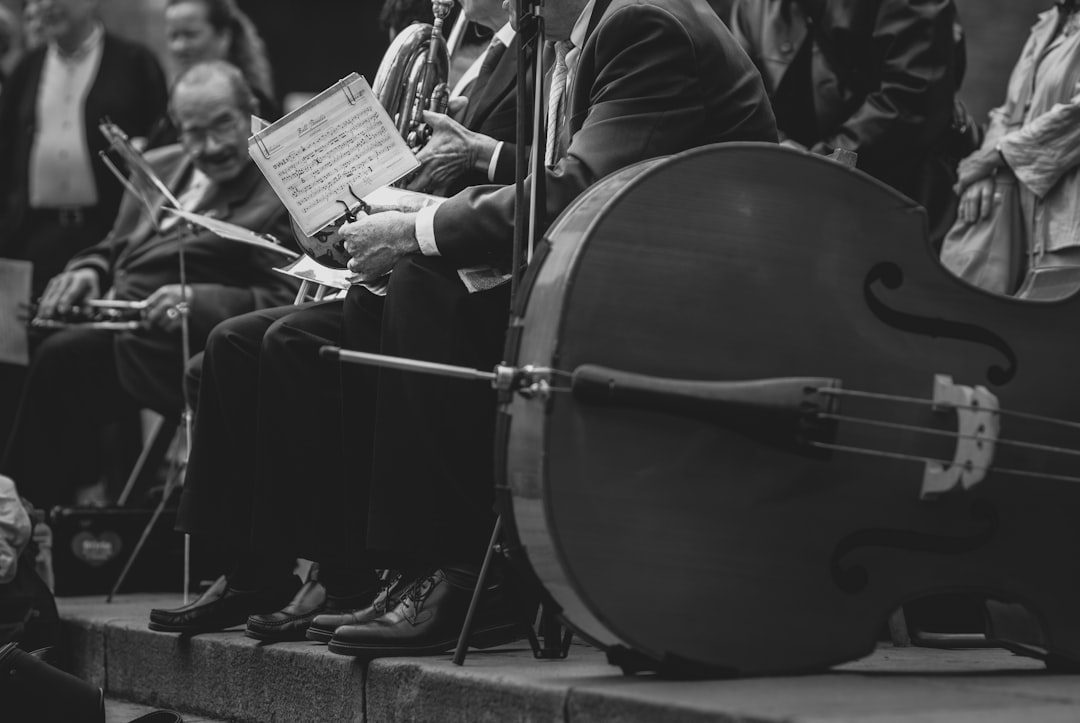
Some leaders lecture first, then hand you the instrument once you understand the theory. Others put the guitar in your hands in minute one and explain as you go. Neither approach is wrong, but they produce wildly different experiences for a nervous beginner.
Read the workshop description like a contract. "Structured curriculum with progressive skill-building" means expect a syllabus and a slower ramp-up. "Play-based, improvisation-friendly" means expect less hand-holding and more figuring things out by ear. If you need to understand why a chord works before you’ll trust your fingers to play it, a leader who skips theory will frustrate you fast. Match the teaching style to how you think, not to what sounds more fun in the listing.
Group size determines your personal attention
One-on-one lessons run $50 to $100 an hour and give you a teacher’s full focus on your specific hands, your specific mistakes. That’s real value, but it’s a cost most first-timers aren’t ready to commit to before they know if they’ll stick with the instrument.
A small group of four to eight people is the sweet spot for most beginners. The leader can hear if your rhythm is off and correct it in real time, but you’re not paying premium rates to find out you don’t like drumming. A large workshop of fifteen or more people costs less per head, sometimes half the price of a small group session, but you’ll spend more time watching the leader demonstrate than getting your own hands corrected. For a first experience, that trade-off usually isn’t worth the savings.
Verify what you’ll actually have to play with
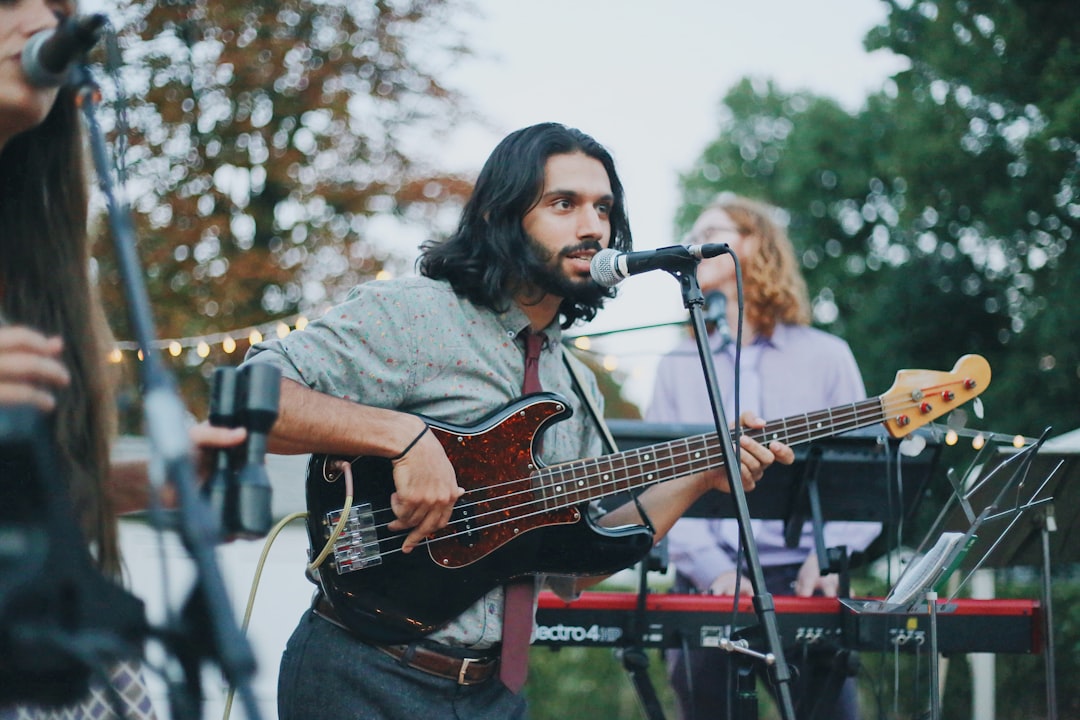
Ask before you register: does the workshop provide instruments, or do you bring your own? A vocal workshop needs nothing but your voice and a room with decent acoustics. A drum circle usually has house instruments. A violin or cello workshop almost never does, because rentals are expensive and fit matters.
If instruments are provided, ask what condition they’re in. A beat-up beginner acoustic guitar with high action will make your fingers hurt and make chords sound worse than they are, which can quietly convince someone they’re bad at guitar when really they’re fighting bad equipment. Wayfield listings typically include an equipment note in the logistics section, worth checking before you show up assuming a rental will be usable.
Ask about the pace before you register
Beginner workshops range from glacial (one chord over two hours) to overwhelming (twelve concepts crammed into ninety minutes with no repetition). Neither serves you.
Email the leader directly and ask three things: how many new concepts per session, whether the pace adjusts for people who need more repetition, and whether past participants have described the workshop as rushed. A leader who’s run the session five times will have a real answer. A leader who says "everyone learns at their own speed" without specifics probably hasn’t thought about pacing at all.
Look for a clear next step after the workshop ends
The best first workshop isn’t a dead end. It points somewhere: a follow-up session, a practice routine with specific weekly goals, a group of past participants who still play together. A four-week beginner guitar series that ends with "see you next series" and a printed practice sheet produces more long-term players than a one-off weekend that ends with applause and nothing else.
Before you register, ask what happens after the last session. If the answer is nothing, that’s not disqualifying, but you’ll need to build your own continuity, and most beginners don’t.
Find workshops near you at wayfield.app/workshops
Recommended Resources
Musical Instruments
Article features ukulele as beginner-friendly case study; readers searching for beginner music lessons often need an instrument
Guitar mentioned as accessible entry point; beginner readers need affordable, quality starter instrument
Piano discussed as serious learning path; beginners often purchase after first lessons
Music Accessories
Generic workshop accessory useful for practice sessions between lessons mentioned in article
As an Amazon Associate, Wayfield earns from qualifying purchases. Clicking and buying through these links supports this content at no extra cost to you.





Leave a Reply