
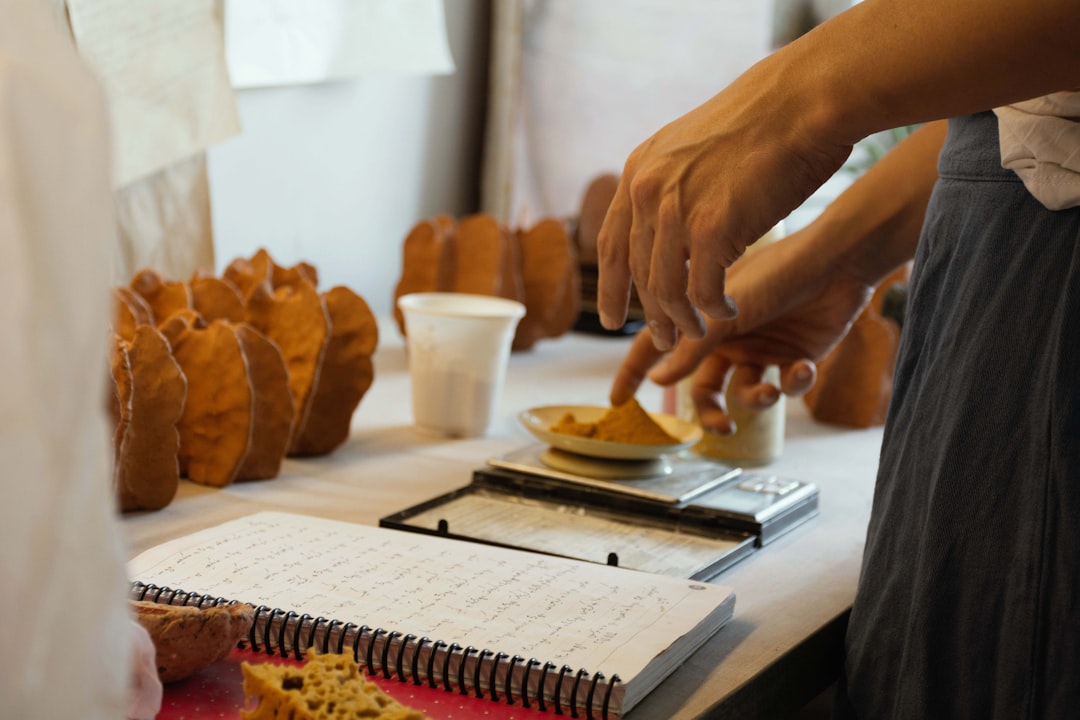
Photo by atiyeh fathi on Unsplash
A three-hour sourdough workshop with $40 in ingredients and a $95 ticket price looks profitable on paper. Run the math on labor, and the same class barely breaks even. This is the gap that keeps baking instructors stuck teaching for beer money while their calendar fills up. Pricing a baked goods workshop correctly means accounting for everything ingredients don’t cover: your time, your equipment, and the margin you need to keep doing this.
Map Your True Cost Per Participant
Start with ingredients, but don’t stop there. Add equipment wear (stand mixers and proofing baskets don’t last forever), workspace rental if you’re not baking at home, and your own hourly rate as the leader.
Here’s the real math on that sourdough class. Ingredients run $40 for eight participants. Prep, teaching, and cleanup add up to six hours of labor at $20 an hour: $120. Add $15 for kitchen rental and $10 for equipment depreciation. Total cost: $185. Split across eight seats, that’s $23 per participant before any margin. At $95 a ticket, you’re covering costs with room for 50% margin, roughly $47 per seat. Drop the price to $65 and you’re barely clearing $5 per person after paying yourself minimum wage for the effort.
Most organizers skip the labor line entirely. Skip it and you’re not running a workshop business. You’re volunteering with a suggested donation.
Price by What Participants Take Home
A bread-baking intensive where students leave with four loaves justifies $145 or more. They’re not paying for two hours of your attention; they’re paying for eight hours of proofing time, four finished products, and enough bread to fill a freezer.
Compare that to a two-hour croissant lamination session. Participants might leave with two croissants and a notebook of folding diagrams. That class works at $65 because the product is the skill, not the pastry count. Confusing these two models is where organizers leave money on the table: charging technique-class prices for a takeaway-heavy workshop, or the reverse.
Know which one you’re running before you set the number.
Set Capacity Before You Set Price
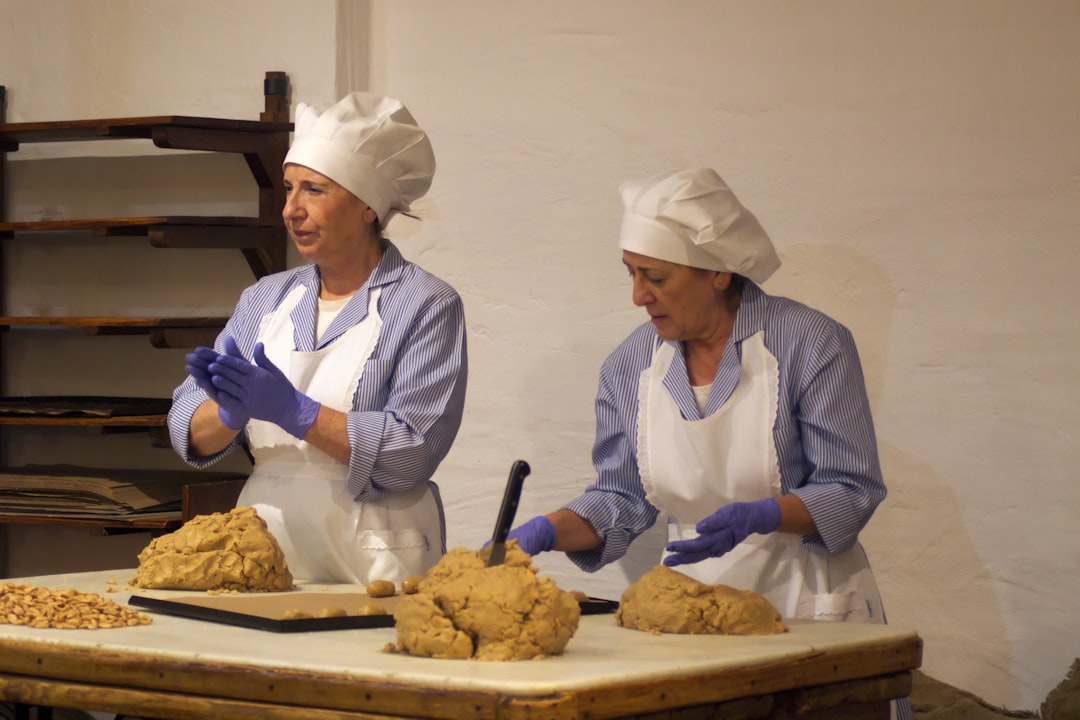
Six participants in a commercial kitchen costs differently than twelve, and hands-on baking stations cap out fast. Most commercial kitchens comfortably fit 10 to 12 people at individual mise en place stations before ovens, mixers, and counter space become a bottleneck.
Lock your max group size first. A $200 kitchen rental fee divided across six seats is $33 per person. The same fee across twelve seats is $17. That $16 swing changes your entire pricing structure, and it has nothing to do with demand. Set capacity based on your actual kitchen, then build the price around what’s left after fixed costs get divided.
Ingredient Costs Vary Seasonally and Regionally
Berries cost three times more in January than in July. A summer berry galette workshop priced at $85 in June might need to hit $110 in January to hold the same margin, or you swap the seasonal fruit for something priced steadily year-round.
Source ingredients first. Call your vendors, confirm actual per-unit pricing for the month you’re teaching, then build your calendar and pricing around what’s actually available. Organizers who price once and reuse that number all year watch their margin quietly collapse every winter.
Test Pricing on Your Second Workshop

Run your first workshop slightly underpriced. A $75 ticket instead of $95 builds reviews, referrals, and a base of participants willing to vouch for you. First workshops are data collection, not profit centers.
By your second or third run, you have real numbers: no-show rate, actual ingredient spend versus estimate, how fast the registration list filled. Use that data to raise price 15 to 20%. If your first sourdough class sold out in four days at $75, $90 or $95 is a reasonable next step. If it took three weeks to fill six seats, hold the price and fix the marketing instead.
Separate Workshop Tickets From Product Sales
Don’t bundle the boxed pastry assortment into your class ticket. Charge $89 for the workshop and $18 separately for the take-home box. Bundling hides the value of what participants actually made and caps your ability to scale product revenue without touching class margins.
Separated pricing also lets you upsell without renegotiating your core price. Someone who wants six croissants instead of two pays for the extra, and your workshop fee stays untouched. Wayfield’s registration flow supports split pricing at checkout, so participants see the class fee and the product add-on as two distinct line items instead of one blurred number.
Use a Commitment Deposit to Cut No-Shows
A $95 workshop with a $48 deposit collected at registration, balance due three days out, changes participant behavior. People who’ve paid half upfront show up. People who reserved a free seat with no deposit flake at double or triple the rate.
Track no-show rates against deposit levels across a few workshops. A 50% deposit might drop no-shows from 20% to 6%. That’s the difference between ordering ingredients for eight and baking for six empty seats. Wayfield’s commitment date and deposit tools let you set this structure once and apply it to every future workshop, so ingredient ordering stops being a guessing game.
Pricing a baked goods workshop isn’t about finding one magic number. It’s a system: true cost per seat, takeaway value, fixed capacity, seasonal sourcing, staged testing, separated product sales, and a deposit structure that protects your ingredient budget. Build the system once and every workshop after the third one gets easier to price with confidence.
Start your first workshop free at wayfield.app/getting-started, no credit card required.
Recommended Resources
stand mixers
Article specifically mentions stand mixer wear as a depreciation cost; essential equipment for baking workshops.
bread proofing baskets
Mentioned as equipment subject to depreciation; core tool for sourdough and bread workshops.
baking mats
Essential for setting up multiple participant workstations in a shared kitchen; extends oven and counter capacity.
As an Amazon Associate, Wayfield earns from qualifying purchases. Clicking and buying through these links supports this content at no extra cost to you.






Leave a Reply