

Photo by Anna Kolosyuk on Unsplash
You paid $180 for a Saturday. Somewhere between the registration confirmation and walking through the studio door, the nerves kick in. What if the instructor is condescending? What if everyone else already knows how to mix a proper flesh tone and you’re still fumbling with your grip? What if you spend six hours and leave with nothing you’d hang on your own wall?
That fear is common, and it’s usually solvable before you ever pick up a brush. Vet the leader the same way you’d vet a contractor: check their portfolio for a style that matches what you want to learn (loose watercolor landscapes and tight oil portraiture require very different teaching approaches), read the class description for specifics rather than vague promises like "unleash your inner artist," and email ahead if the skill level listed feels ambiguous. A leader who answers a two-line question with warmth and clarity before you’ve even paid is a good sign. One who ignores it is information too.
Once you’re in the room, though, vetting stops mattering and preparation takes over. Here’s how to actually get the most out of a painting workshop once you’ve committed to one.
Show up with a specific painting goal, not vague curiosity
"I want to get better at painting" isn’t a goal a leader can teach to. "I want to nail wet-on-wet blending for skies" is. Decide before day one whether you’re there to learn a technique, finish a piece, or experiment with a new medium like gouache for the first time. A leader running a technique-focused session paces differently than one running an open studio for finishing pieces; if you show up wanting deep technique instruction in a come-and-paint-whatever-you-want format, you’ll leave frustrated no matter how skilled the instructor is. Say your goal out loud to the leader in the first five minutes. It changes what they point out to you for the rest of the day.
Arrive early to test materials and claim your space
Fifteen minutes early buys you more than a good seat. It gives you time to find the best light for your easel, figure out where the water cups and paper towels live, and ask the leader a quick setup question without six other people listening. Nervous energy about being judged fades fast once your physical setup feels solid. Walking in at the exact start time, unpacking while everyone else is already squeezing paint, is a small thing that compounds into feeling behind for the whole session.
Ask for a demo before diving into your own work
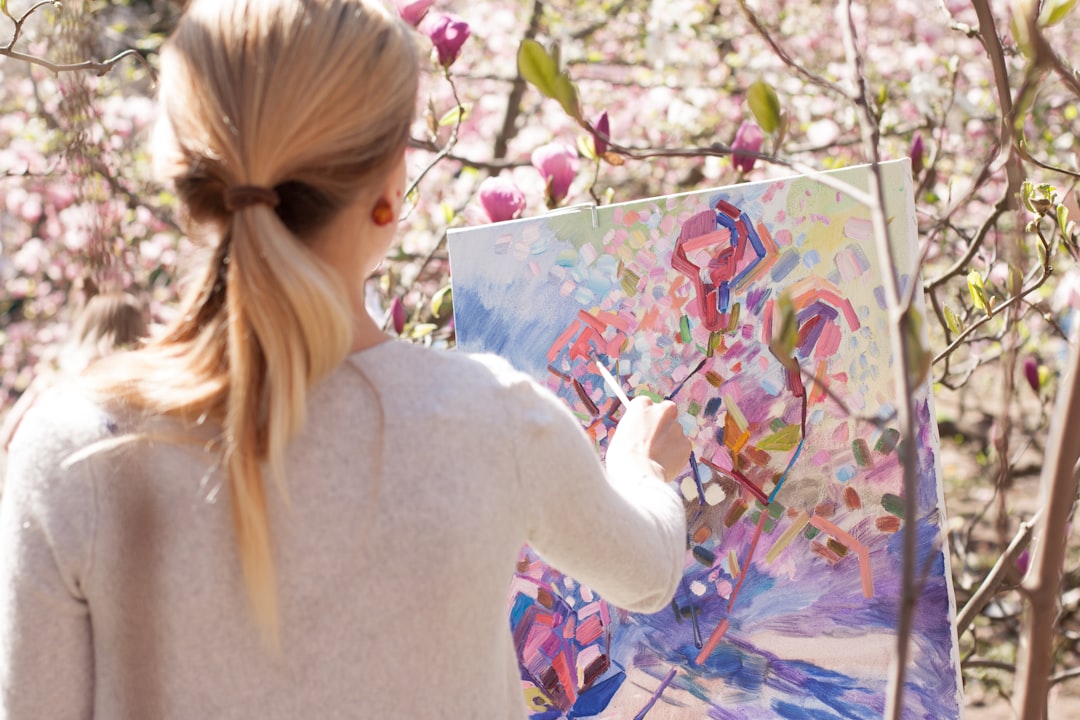
Most painters learn by imitation first and understanding second, not the other way around. Watch how the leader holds the brush, how much pressure they use, what order they mix colors in before they touch the canvas. If you’re not sure how to achieve a particular effect, ask for a live demo rather than guessing your way through it on your own paper. A good leader will do this without hesitation; a leader who brushes off the request or seems annoyed by it is a data point for whether you book with them again.
Bring reference photos and sketches, not just blank canvas
Showing up with nothing decided means you’ll burn 20 minutes of a three-hour session deciding what to paint. Bring two or three reference photos, or a rough thumbnail sketch, so you can start working immediately. Specific reference material also gives the leader something concrete to critique. "Your shadows are a little flat compared to the reference" is useful feedback. "Keep practicing" is not.
Stay through any group critique, even if your work feels unfinished
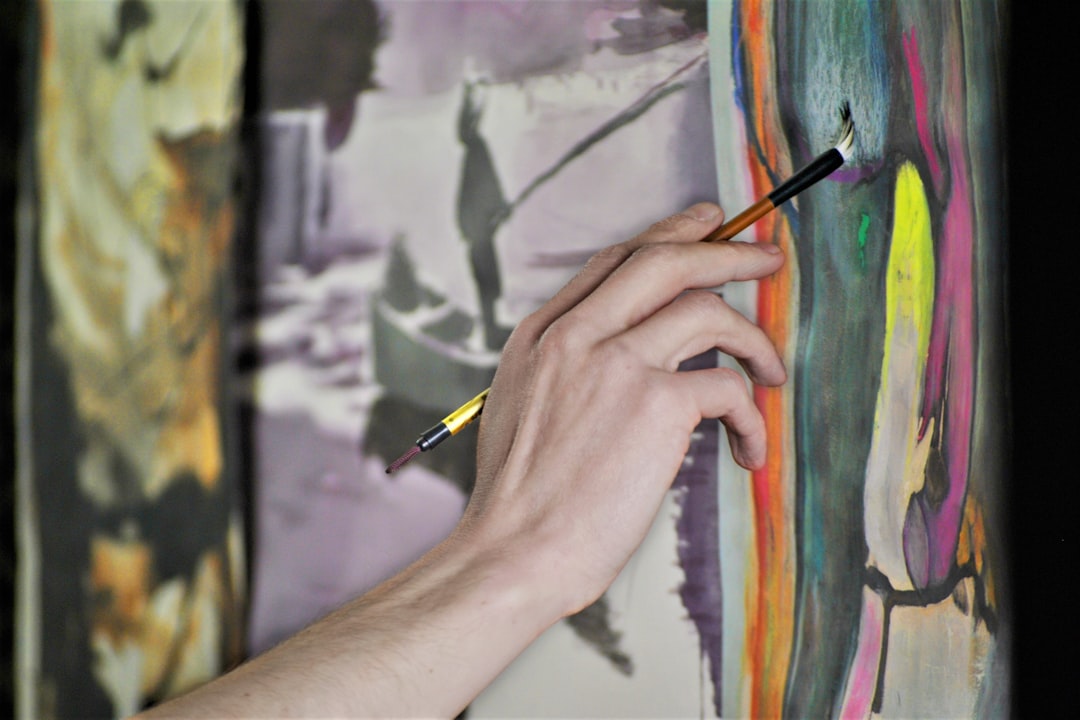
Skipping the critique because your painting isn’t done yet is the single most common way participants shortchange themselves. Hearing feedback on other people’s work trains your eye faster than solo practice ever will, because you start spotting the same muddy color-mixing mistake or off-balance composition in three other paintings before you ever make it in your own. Fifteen minutes of group critique can save you weeks of repeating a habit nobody told you to fix.
Take photos of your work and the leader’s demonstrations
Memory is unreliable, especially for something as detail-dependent as a color-mixing ratio. Photograph the leader’s palette during a demo, your own painting at each major stage, and any diagrams drawn on a whiteboard. Photos let you replay the exact sequence at home, three weeks later, without relying on notes you probably didn’t take because you were busy painting.
Schedule a follow-up session or practice block before you leave
One workshop builds excitement. Repetition builds confidence. Before you pack up, commit to a specific practice block within the next week, even 45 minutes at your kitchen table redoing the same exercise, or book the next session in the same series while the leader’s feedback is still fresh. Many leaders run their workshops in connected sequences specifically because skills compound faster with structured repetition than with a single isolated Saturday.
If you’re still in the stage of finding the right instructor and format, browse listings that show class size, skill level, and leader background up front rather than guessing from a flyer. Wayfield’s workshop listings include this detail so you can compare a beginner-friendly still life session against an intermediate plein air intensive before you commit a dollar.
Find workshops near you at wayfield.app/workshops
Recommended Resources
acrylic paints
Mentioned in the article as an example of a medium a participant might experiment with for the first time at a workshop.
paintbrushes
Natural connection to the detailed instruction about watching brush technique and pressure during a demo.
easels
Directly referenced in the article as a key piece of setup to claim early and position properly.
As an Amazon Associate, Wayfield earns from qualifying purchases. Clicking and buying through these links supports this content at no extra cost to you.



Leave a Reply