

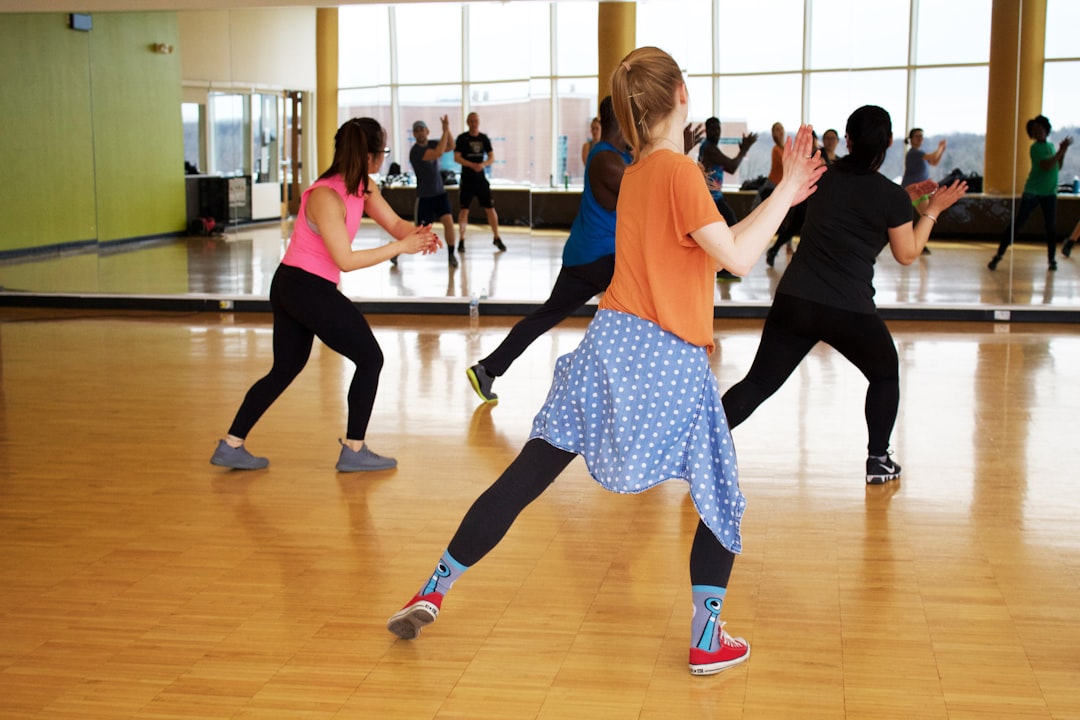
Photo by Kyle Head on Unsplash
Walk into most beginner acting workshops and you’ll spot them immediately: the ones who came ready, and the ones who didn’t. It’s not about talent. It’s about preparation. Acting basics for beginners aren’t taught in the first ten minutes of a workshop, they’re assumed, and the actors who arrive already knowing how to breathe into stillness or ask the right questions about a scene get twice the value out of every exercise. This guide covers the four fundamentals to work on before you ever sign up, plus what to expect once you’re in the room.
Presence: The Foundation Before Technique
Presence means your body and voice occupy the room without apology. It has nothing to do with lines. Before you memorize a single word of dialogue, practice standing still without fidgeting, breathing on a four-count, and letting silence sit for three full seconds before you speak. Try it in your bathroom mirror for five minutes a day. Notice how badly your hands want something to do.
This is the difference between wooden delivery and genuine connection. A workshop leader can teach you blocking in an afternoon. Presence takes weeks of quiet repetition, and it’s the one thing that makes every other technique land. Actors who show up with this already in their body spend the first workshop session building on it. Everyone else spends that session discovering they have a nervous laugh.
Given Circumstances: Why Context Changes Everything
Every character exists inside a specific situation, not a vague one. Before your first workshop, practice asking three questions about any scene you read: Who am I? Where am I? What do I want right now? A monologue about heartbreak reads completely differently if the character is at a funeral versus alone in a parked car at 2 a.m.
Grab a scene from a play you’ve never performed and answer those three questions in writing. Fifteen minutes, no more. You’ll notice your instinct to "act sad" or "act angry" disappears once the circumstances get specific. That specificity is the actual engine of the performance.
Emotional Memory Without Manufactured Drama

Forget summoning tears on command. Real feeling comes from recalling a specific moment in your own life that mirrors your character’s emotional state. Not the general category of "sadness," but the exact memory: the voicemail you got at 11 p.m. that ended a friendship, the smell of a hospital waiting room, the second before you found out you got the job.
Write down three specific memories now, before your workshop starts. One that carries grief, one joy, one fear. Keep the list private. When a scene calls for a feeling, you’ll have real texture to draw from instead of performing an idea of the emotion. This single habit separates actors who feel manufactured from ones who feel true.
Active Listening in Scene Work
Most beginners spend scene work waiting for their line instead of hearing the one before it. Stop doing that. Active listening means reacting to what your scene partner actually says and does in that specific moment, not the version you rehearsed in your head.
Practice this with a friend: read a two-person scene where one of you improvises small changes to your lines every time. The other person has to respond to what was actually said, not what the script says. It’s uncomfortable at first. It’s also the fastest way to turn dialogue into conversation instead of recitation. Any workshop leader worth the fee will push this from day one, so arrive already fluent in it.
Preparing Your Body and Voice

Tight shoulders and shallow breathing block authenticity before you’ve said a single word. Spend two weeks before your workshop on basic stretching, posture awareness, and vocal warm-ups: ten minutes of shoulder rolls and neck releases each morning, five minutes of humming scales to loosen your jaw and throat.
This isn’t vanity prep. A tense body reads as guarded on stage, no matter how good your emotional work is underneath. Show up loose and ready to work, not stiff and defensive against forty strangers watching you.
Choose a Workshop That Builds, Not Performs
Look for beginner workshops that spend real time on fundamentals instead of rushing everyone onto a stage by week two. A good leader structures sessions so presence, given circumstances, emotional memory, and listening become invisible by the end. You stop thinking about technique and you’re just acting.
When you’re researching options, check the session breakdown before you commit. If a program lists "scene performance" for day one with no mention of body work, breath, or listening exercises, that’s a signal to keep looking. Platforms like Wayfield let organizers publish full session structures and leader bios before you register, so you can actually see whether a workshop builds fundamentals or skips straight to showcase mode. Read that structure closely. It tells you more about the workshop than any marketing copy will.
The First Day: What to Actually Expect
Expect vulnerability. Expect to feel self-conscious the first time you’re asked to stand alone in front of the group and just breathe. Most beginner workshops open with trust-building exercises, mirror work, group breathing, name games with physical movement, specifically because they dissolve awkwardness fast, usually within the first hour.
The actors who came prepared with these acting basics for beginners already in their bodies spend that first hour deepening the work instead of catching up. That’s the real advantage. Not talent. Preparation.
Start free on Wayfield, no credit card required.






Leave a Reply