

Photo by Vitaly Gariev on Unsplash
A landscape photography workshop in Sedona posted a text-only listing last spring: dates, price, a paragraph about golden hour composition. Enrollment stalled at 6 of 12 spots two weeks before the commitment date. A competitor running a similar retreat in Moab posted the same offer with a 45-second clip of the instructor critiquing a student’s frame at sunrise. That workshop sold out in nine days. Video marketing for workshop instructors isn’t a nice-to-have anymore. It’s the difference between a waitlist and a cancellation email.
The gap isn’t talent or pricing. It’s visibility into what the experience actually feels like before someone commits a deposit.
Why Video Changes Workshop Conversion Rates
Listings with video convert roughly 80% better than text-only pages, according to registration data pulled across creative workshop categories. The mechanism is simple: prospects aren’t buying a curriculum outline. They’re buying a relationship with a teacher they haven’t met yet.
Skip the polished welcome-video instinct. Thirty seconds of your actual teaching voice, mid-critique, mid-correction, working with a real participant, tells a prospect more than a scripted intro ever will. A cooking instructor filming herself adjusting a student’s knife grip while explaining why the angle matters does more conversion work than a montage of plated dishes set to music.
Building Your Pre-Registration Video Library
Three assets cover most of the funnel:
– A 60-second leader intro: who you are, what the workshop covers, one sentence on who it’s for – A 3-5 minute session overview: walk through a typical day, show the space, show the work participants produce – A 2-minute participant testimonial: shot during or immediately after a past workshop, unscripted
Film these during a workshop you’re already running. No separate shoot, no studio day. A ceramics instructor recording a testimonial clip during the last hour of an existing intensive spends 15 minutes on setup and walks away with content for the next four cohorts.
Repurpose the same footage across the landing page, the confirmation email, and a follow-up sequence to past inquiries who didn’t convert. One afternoon of filming becomes six months of assets.
Recording Sessions Without Disrupting Participants
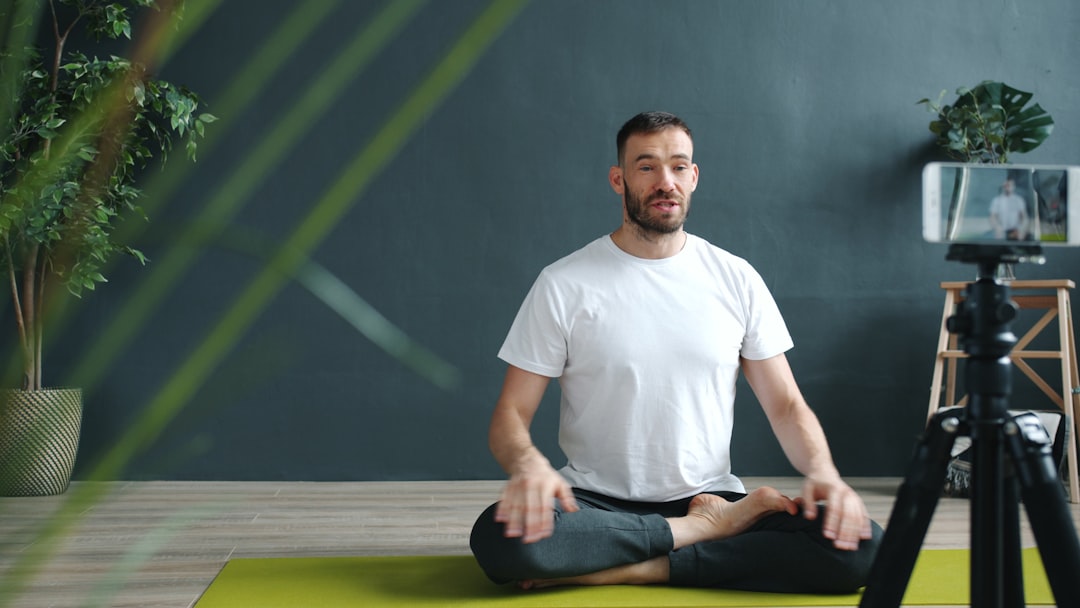
A fixed tripod in the corner and a wireless lav mic on the instructor solves 90% of the logistics problem. Press record at the start of a session and let it run. Participants notice for the first ten minutes, then forget the camera exists entirely.
A writing workshop leader in Austin runs this setup for every session: one static angle, no operator, no interruption to the room. After the session, she pulls three or four two-minute segments where feedback got specific or emotional, and those become the social proof clips for the next cohort’s marketing push. No editing software beyond a free trim tool. No producer on payroll.
Video as Pre-Workshop Onboarding
The highest-use video most organizers skip entirely: the logistics walkthrough sent before arrival. A 4-minute video covering parking, check-in, what to bring, and the first-day schedule replaces a dozen individual emails asking the same questions.
A wellness retreat organizer in Sedona started sending this video 48 hours before check-in and cut last-minute logistics questions by roughly half. Satisfaction scores on post-workshop surveys moved up too, since participants arrived knowing exactly where to park and what to bring instead of guessing.
This video doesn’t need production value. Screen recording plus a phone camera walking the actual parking lot works fine. The value is informational, not aesthetic.
Pricing Video Content Into Your Margins

Budget 2-3 hours of production time per workshop cycle: filming during an existing session, plus editing time for the highlight clips. That’s the entire line item.
Here’s where the math gets interesting. One intro video, filmed once, serves 20 or more workshop cohorts before it needs refreshing. If that video costs you $1,000 in time and effort to produce (valuing your hours at a reasonable rate) and drives registrations across three cohorts of 15 participants each, your amortized cost per registration drops from roughly $50 in the first cohort to $2 by the third. The video doesn’t get more expensive. It gets more efficient every time you reuse it.
Compare that to paid ads, where cost per registration stays flat or climbs as competition increases. Video is the rare marketing asset that gets cheaper the longer you run it.
Distributing Video Across Registration Channels
Embed the session overview directly on your landing page, above the pricing table, not buried below it. Include the leader intro clip in your confirmation email so registrants feel reassured immediately after paying a deposit, not three weeks later when doubt creeps in.
Post 15-20 second clips to Instagram and LinkedIn with a specific skill preview: a knife technique, a brush stroke, a chord progression, not a generic "come learn with us" caption. Specificity is what stops someone mid-scroll.
For confirmed participants, logistics videos need a home that doesn’t get lost in a crowded inbox. Wayfield’s participant portal handles this directly: organizers upload the walkthrough video once, and every confirmed registrant sees it alongside their session details and commitment date, no separate email thread required.
Measuring Video Impact on Your Bottom Line
Track three numbers: completion rate (did they watch the whole thing), click-through rate to the registration page, and conversion lift compared to text-only periods.
A solid benchmark: if 40% of landing page visitors watch your 60-second intro, and 25% of those viewers go on to register, your video-to-signup ratio is doing real work. Below that, the problem is usually the first three seconds, not the whole video. Cut anything before the moment you start actually teaching.
Run this system for two workshop cycles and you’ll know, with actual numbers, whether video is paying for the hours you put into it. Most organizers find out it pays for itself by the second cohort.
Start free on Wayfield, no credit card required.
Partner Spotlight · K&K Insurance
K&K Insurance specializes in event and liability coverage built for workshop organizers, meaning you're protected whether you're running a 6-person ceramics intensive or a 50-person photography retreat. Most organizers skip insurance entirely until they've already collected deposits and filled half their roster, at which point a single injury claim or venue cancellation can wipe out your margin. Getting coverage sorted before you launch your first paid workshop costs less than your promotional budget and protects the income you're actually building. Check out K&K's workshop-specific policies to see what fits your first season. Learn more →






Leave a Reply