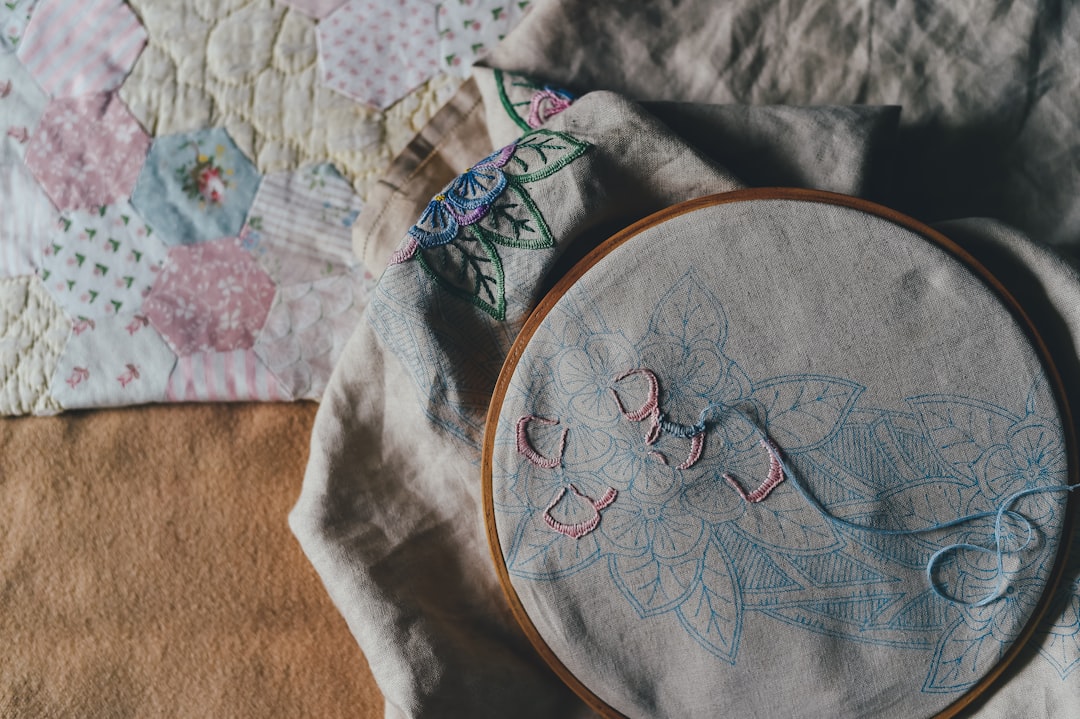
Photo by Annie Spratt on Unsplash
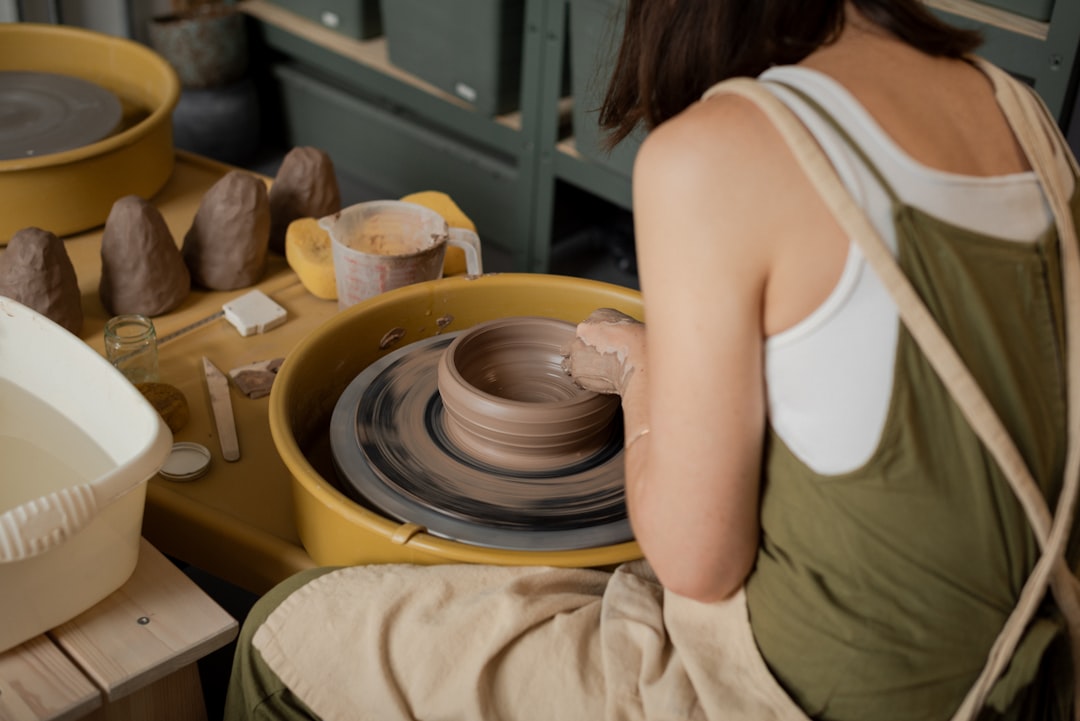
Twelve people sit at a brewery’s communal table on a Tuesday night, embroidery hoops in hand, pints half-finished beside them. The venue didn’t pay for entertainment. You didn’t pay for a room. Everyone in that room paid $55 for two hours of stitching, and you walked out with $480 after the venue’s cut. That’s the sip and stitch workshop model, and it works because the math is simple and the overhead is close to zero.
Running a sip and stitch workshop series isn’t about teaching embroidery differently than you would in a studio. It’s about restructuring where the workshop happens, who covers what cost, and how you turn a one-off event into a recurring revenue line. Here’s the operational playbook.
Why venue partnerships beat renting studio space
A studio rental runs $40-75 an hour in most mid-size cities. Add insurance, cleaning, and the marketing spend needed to get people in the door of a space they’ve never heard of, and your fixed costs eat the margin before you’ve sold a single seat.
Breweries and coffee shops flip that equation. They already have foot traffic. They already handle beverage service, which means you’re not managing a bar tab or a coffee order on top of teaching a stitch pattern. Walk-in registration happens because someone’s already there for a drink and sees a table full of hoops and thread.
The venue benefits too. A Tuesday night sip and stitch workshop fills tables during a slow shift. Coffee shops see the same lift on weekend mornings when foot traffic is otherwise unpredictable. You’re not asking for charity. You’re offering programming that drives repeat visits, and that’s worth a percentage of your ticket price to any venue owner running the numbers.
Pricing structure that works with venue splits
Charge $45-65 per seat for a two-hour session. Split 30-40% with the venue, calculated on gross ticket revenue, not net of materials. At 12 participants and a $55 ticket price, that’s $660 gross. Give the venue 35% ($231), and you net $429 before materials.
The $65+ price point does more than pad margin. It filters for people who are actually committed to showing up, not just curious about a cheap night out. A $45 workshop attracts flakier registrants and more no-shows. A $65 workshop attracts people who’ve already decided this is worth their evening.
Don’t undersell the split. Venues that push for 50% are pricing themselves out of a long-term partnership; most workshop organizers find 30-35% is the number that keeps both sides profitable across a dozen sessions.
Materials and prep logistics for rotating locations
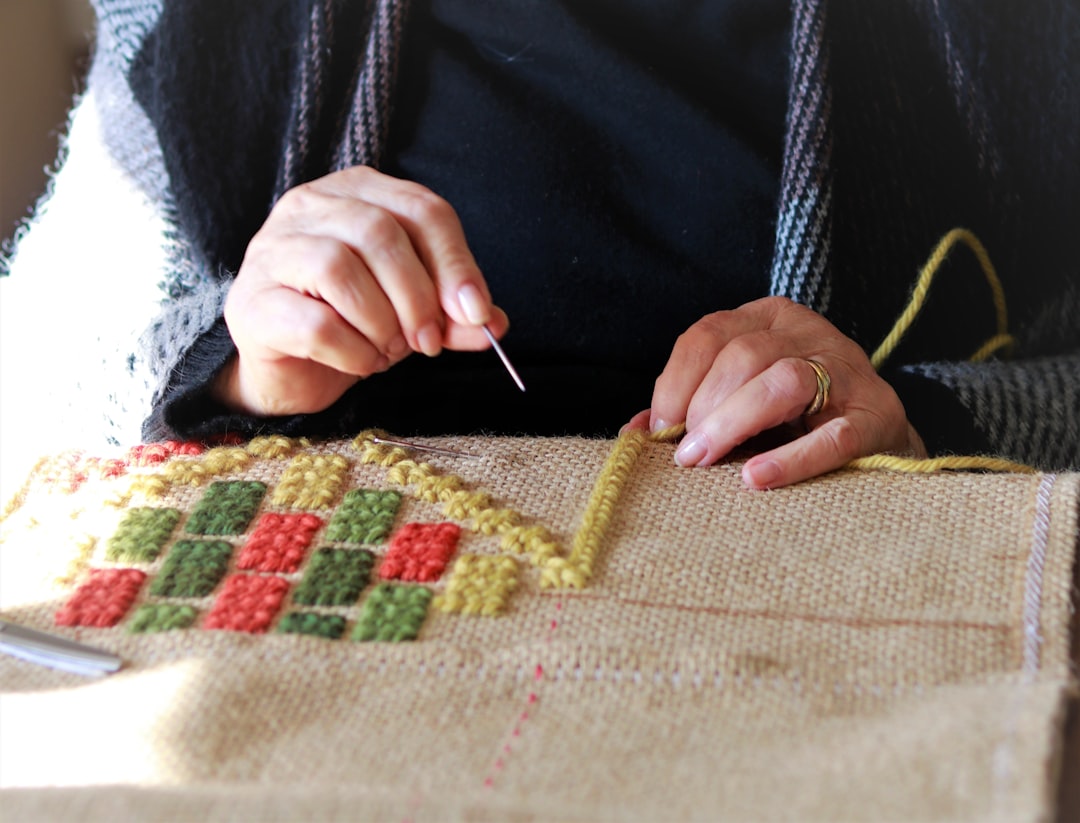
Running workshops at three different venues each month means your materials can’t live in one studio closet. Pre-kit supplies into labeled bins, one per venue or one per session, so setup takes ten minutes instead of forty. Each bin gets embroidery hoops, pre-printed stencil templates, floss in the pattern’s color palette, and needles.
Bring backup needles and thread beyond what you think you need. Someone always breaks a needle or tangles thread past saving, and stopping to solve that mid-session kills momentum for the other eleven people.
Budget $8-12 per participant for materials. Some organizers fold this into the ticket price; others offer a base kit at $45 and an upsell to premium floss or a more detailed stencil for $10 more. Both models work. What doesn’t work is guessing at material cost after you’ve already priced the ticket. Know your per-seat cost before you set the number.
Building recurring slots instead of one-offs
A single sip and stitch event at a brewery is a nice Tuesday. A recurring slot, same brewery, same time, second Tuesday of every month, is a business. Recurring workshops build a participant habit: people start planning their calendar around it instead of deciding week to week whether to show up.
Consistent scheduling also removes the venue negotiation friction that eats your time. Once a venue sees three successful sessions, the fourth booking is a text message, not a pitch meeting. And regulars start doing your marketing for you: a monthly slot gets word-of-mouth in a way a one-off never does.
Lock in the recurring slot early, even before you’ve proven demand. A venue is more likely to commit to a monthly Thursday than to negotiate a new date every time.
Registration flow and no-show management
Require payment upfront through your registration link. Free RSVPs produce no-show rates north of 30%; paid registration drops that to single digits. Set a commitment deadline three days before the session so you can finalize headcount with the venue and order materials without guessing.
Offer one free reschedule per participant to handle the inevitable conflict, but cap it there. Unlimited rescheduling turns into unlimited no-shows with a paper trail of excuses. A platform like Wayfield handles this registration flow directly, tracking commitment dates and payment status so you’re not chasing spreadsheets between three venues.
Venues appreciate a confirmed headcount because it lets them staff and stock accordingly. You protect your margin because you’re not printing 15 stencil kits for a table of nine.
Reaching participants through venue audiences
Coordinate with the venue on email lists and social posts two weeks before each session. A brewery’s regular newsletter audience is already warm; a single mention drives more registrations than a cold social post from your own account.
Offer first-time attendees a $5 discount on their next workshop. This single move does more for recurring revenue than any other tactic in this list, because it converts a one-time curious visitor into someone with a reason to come back next month. Track this discount code separately so you can measure exactly how many first-timers convert to repeat participants.
Tracking profitability across multiple venues
Log attendance, material cost, and venue split for every session, broken out by location. After three or four workshops at a given venue, patterns show up fast. One coffee shop might net you $380 a session with steady 10-person turnout. A brewery across town might net $520 with 14 people but cost more in materials because participants opt for the premium kit.
Cut the underperforming slot. Expand the winner to twice a month. This isn’t guesswork once you have four sessions of data per location; the numbers tell you where to put your Tuesday nights.
Start free on Wayfield, no credit card required.
Disclosure: This post contains affiliate links. If you make a purchase through these links, we may earn a small commission at no extra cost to you.




Leave a Reply