
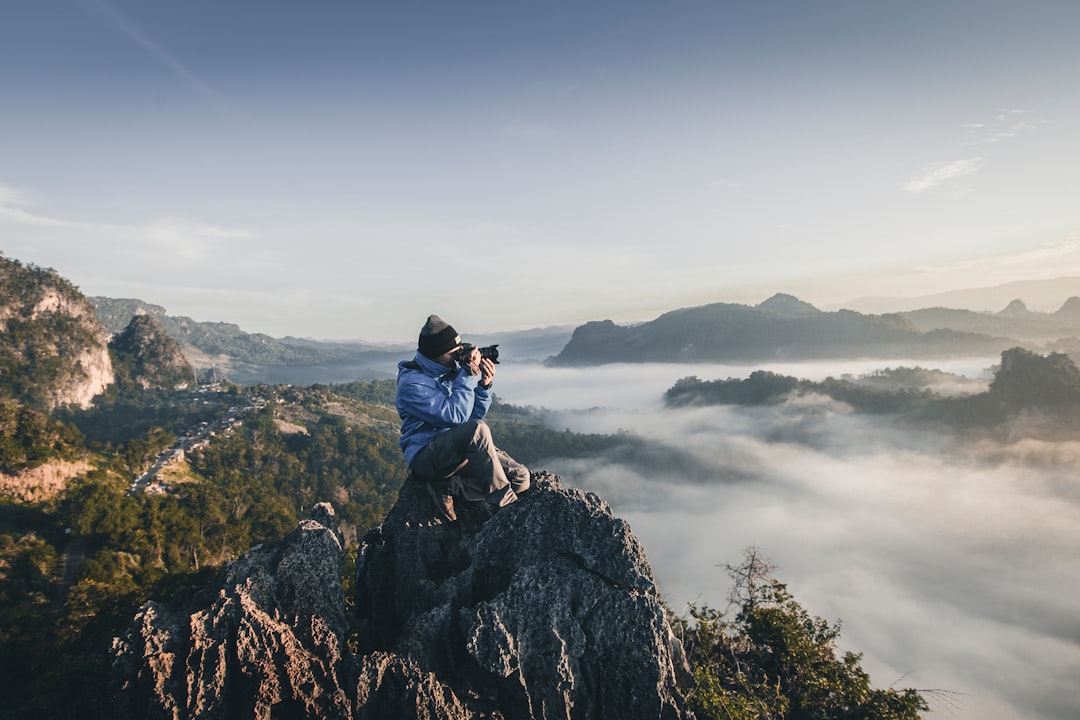
Photo by Alif Ngoylung on Unsplash
The moment a participant’s hands stop hesitating and start working—that’s the shot. Not the posed group photo at the end, not the leader gesturing at a whiteboard. The quiet minute when someone forgets they’re being watched because they’re finally inside the work. Every workshop organizer has seen it happen. Few capture it.
Good workshop photography tips aren’t about equipment. They’re about knowing what your future participants need to see before they’ll trust you with their time and money.
Why Documentation Matters for Workshop Growth
A single workshop, undocumented, disappears the moment it ends. Documented well, it becomes the marketing that fills your next three cohorts.
The distinction that matters most: authentic over posed. A candid shot of someone mid-concentration, forearms tense with focus, tells a prospective participant more than any polished description ever could. They’re not looking for proof you ran an event. They’re looking for a feeling—can I picture myself there. Give them that, and the sales conversation gets much shorter.
Assign One Person to Photography During Sessions
Designate someone before the session starts—a co-leader, an assistant, a participant you trust with an eye for the room. One consistent photographer produces a coherent visual story. Five people pulling out phones produces a folder of blurry duplicates nobody wants to sort through later.
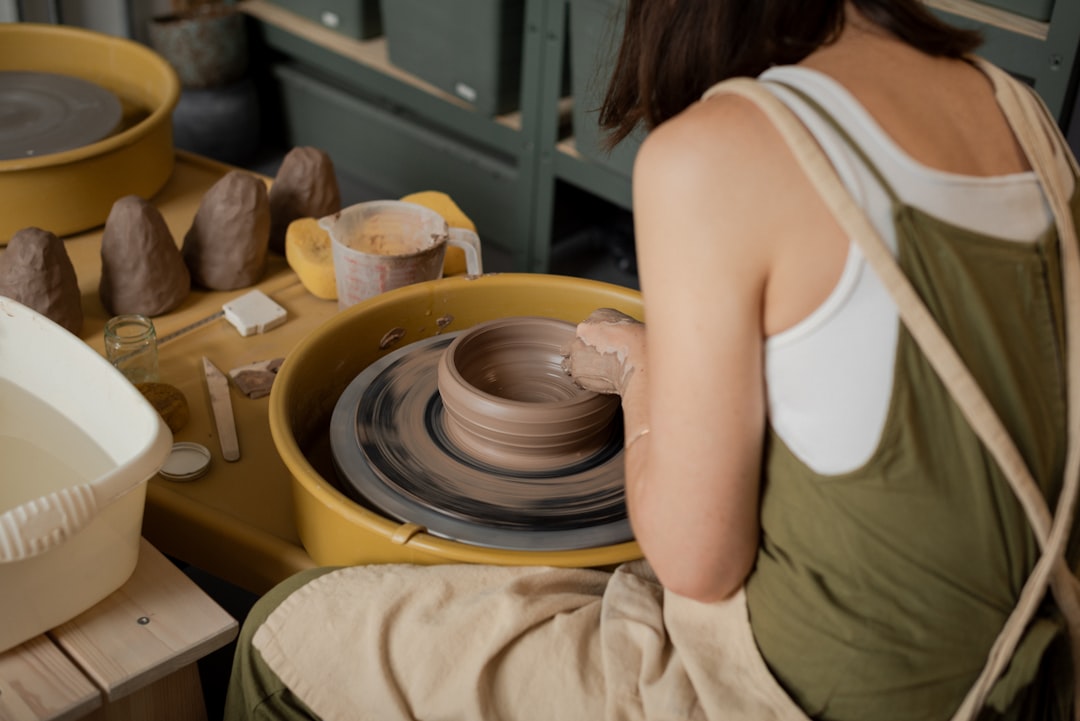
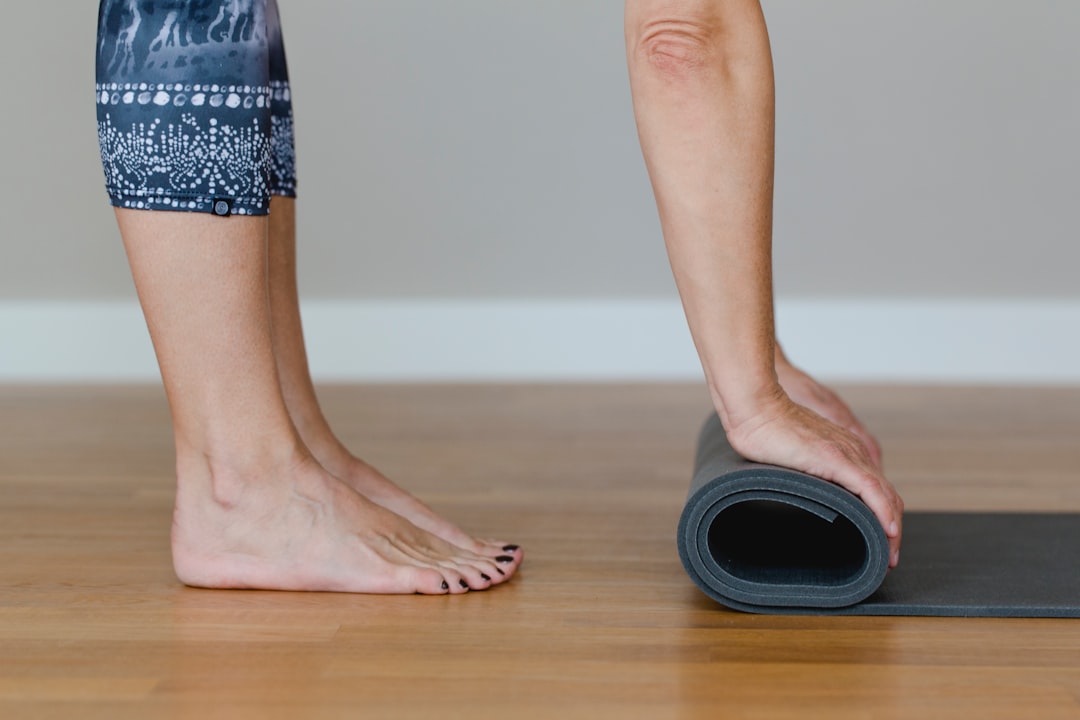
Brief that person on what to chase: process over perfection. Hands mid-motion. The moment someone’s brow furrows over a difficult passage. The exact texture of clay under a thumbnail, or the crease of concentration on a face reading a manuscript aloud for the first time. Tell them explicitly—don’t wait for people to smile. Wait for people to work.
Capture the Three Essential Shots
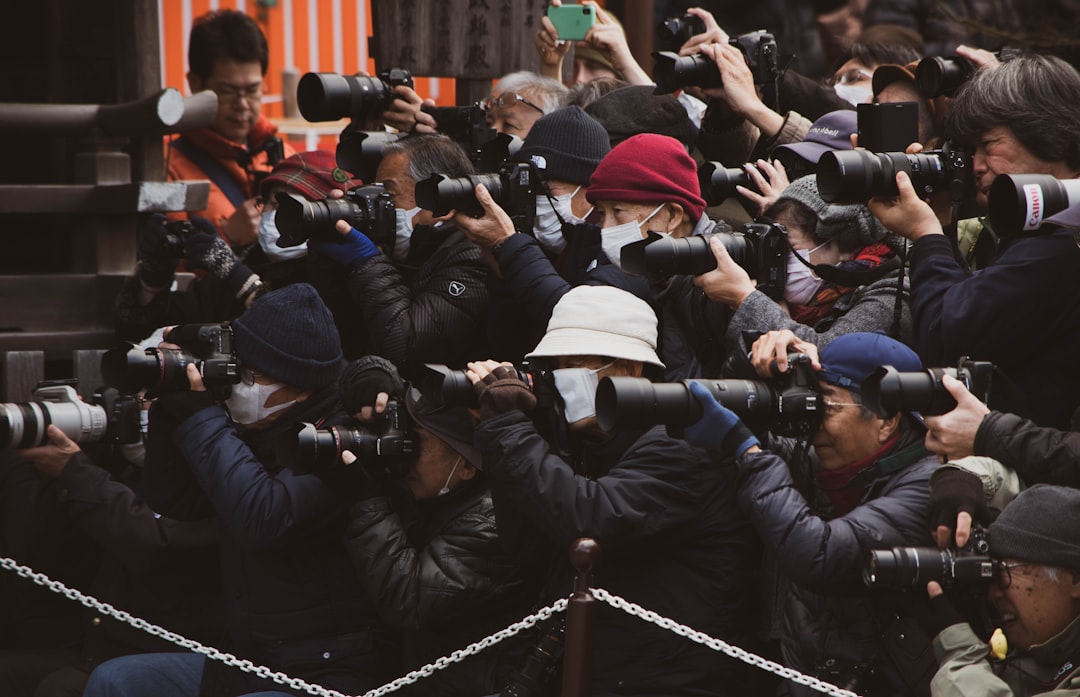
Every session should yield three types of images:
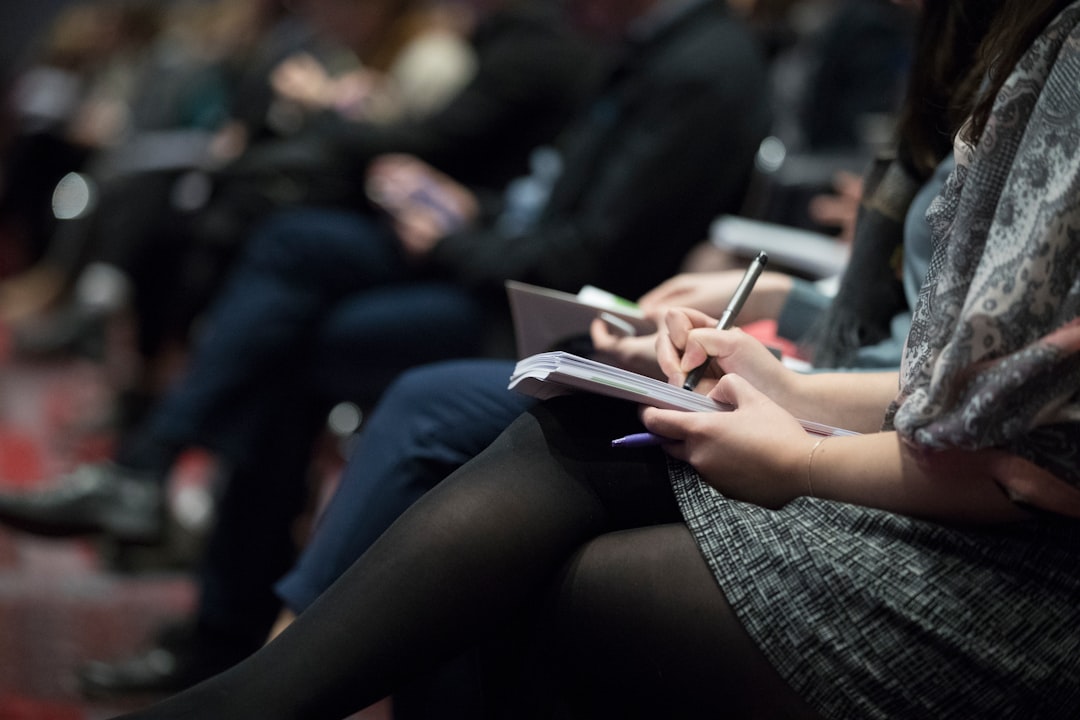
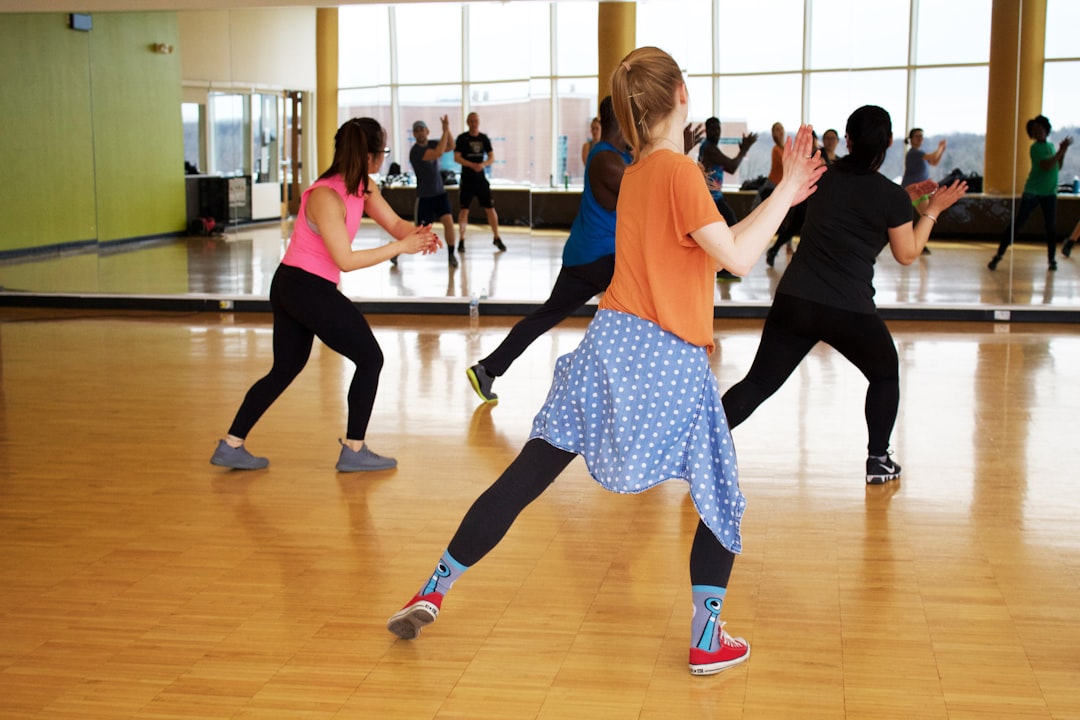
– Wide: the full room, the arrangement of bodies and light, the energy of a group gathered around shared intention – Medium: pairs or small clusters engaged with each other—a leader correcting a grip, two participants comparing notes – Close: hands on tools, materials mid-transformation, a finished piece still warm from the work
Together, these three angles do something a single hero shot can’t. They show scope, intimacy, and craft in the same set—the full texture of what a session actually offers, not just what it looks like from the doorway.
Video: Shoot Short Leader Introductions and Skill Demos
Thirty seconds of a leader demonstrating a technique, speaking plainly about why they teach it, will outperform paragraphs of marketing copy. Something about watching a real hand adjust a real grip, hearing an unscripted sentence about craft, cuts past skepticism in a way polished language rarely does.
Shoot vertical for anything headed to social. Shoot horizontal and save it for your workshop landing page—it reads as more intentional, more studio, less improvised. Keep both formats in rotation. They serve different moments in someone’s decision to register.
Repurpose Content Across Promotion Channels
Still images carry email announcements and website galleries. Short clips carry social feeds where attention moves fast and stays briefly. Match the asset to the channel instead of forcing one format everywhere.
Wayfield’s session pages give you a natural home for this—pairing roster details and session descriptions with real images from past cohorts turns a logistics page into proof. A prospective participant scanning session times and commitment dates sees, right there, what the room actually looked like last time. That pairing does quiet, steady work that copy alone can’t.
Timing: Collect Assets Before the Commitment Date
Document early, not at the finish line. Photos and clips from the first or second session—when energy is high and unfamiliarity hasn’t worn into routine—carry more life than end-of-workshop wrap shots, where everyone’s tired and packing up.
This timing matters practically, too. Fresh content lets you message waitlisted leaders while your cohort is still running, and it feeds straight into promotion for the next round. Momentum builds fastest when the proof is current, not archived from two seasons ago.
Get Consent and Release Clarity Upfront
None of this works if you’re scrambling for permission after the fact. Build photography consent into registration or your pre-workshop communication—one clear line, not buried in fine print.
Specify exactly where images might appear: social media, your website, future promotional materials. Clarity upfront removes friction later and lets you publish without hesitating over what you’re allowed to use. Participants generally say yes when asked plainly and early. They rarely say yes when asked awkwardly after the fact, camera already in hand.
Documentation isn’t a chore tacked onto teaching. It’s the practice of noticing what already happens in your sessions—the hands, the focus, the small breakthroughs—and making sure that evidence outlives the room it happened in.


Leave a Reply