

Photo by Mesut Kaya on Unsplash
Run enough studio workshops and you notice the same problem: participants nail the technique in the room, then can’t apply it anywhere else. Rule of thirds makes sense against a seamless backdrop. It falls apart on a crowded pier at sunset with three subjects competing for the frame. Photography travel workshops fix this by making the location itself part of the lesson, not a scenic backdrop for lessons you’d teach anywhere.
The organizers who get this right see it in their numbers. Location-based travel workshops that treat the site as curriculum run about 40% higher completion rates than studio-format equivalents. Participants finish because the learning compounds day over day instead of resetting each session.
Location as Curriculum, Not Backdrop
Most organizers pick a pretty location first, then figure out what to teach there. Reverse that. Decide what compositional or lighting concept you want to teach, then find the location that forces students to practice it.
A coastal town with a working harbor gives you dramatic side-light in early morning and long shadows on weathered wood, ideal for teaching leading lines and tonal contrast. An urban grid, like a downtown financial district with glass towers, teaches symmetry, reflection, and frame-within-frame composition because the architecture won’t let students shoot lazy. A national park with layered ridgelines teaches depth and atmospheric perspective in a way no studio setup can fake.
Site selection should drive your session structure. If you’ve already booked three days in a mountain town, don’t force a street photography curriculum onto it. Build the curriculum around what the landscape actually offers.
Build Projects Around Specific Light Windows
Generic "golden hour is nice" advice doesn’t teach anything. Structure each session around a specific light condition and a specific subject, and schedule the group to be there at the exact right time.
Day one, 6:15am: golden hour at the marina, teaching how low-angle light rakes across water and creates specular highlights on wet surfaces. Day two, 12:30pm: the same marina, now teaching how harsh midday light flattens color and forces reliance on geometry and shadow shape instead. Day three, 8:45pm: blue hour at the same location, teaching long exposure and how ambient city light interacts with a darkening sky.
Same subject, three light conditions, three completely different technical problems. Participants leave understanding how light transforms a scene, not just how to operate their camera in one set of conditions. That’s the difference between a workshop and a photo walk with a teacher attached.
Design Progressive Assignments Within the Workshop
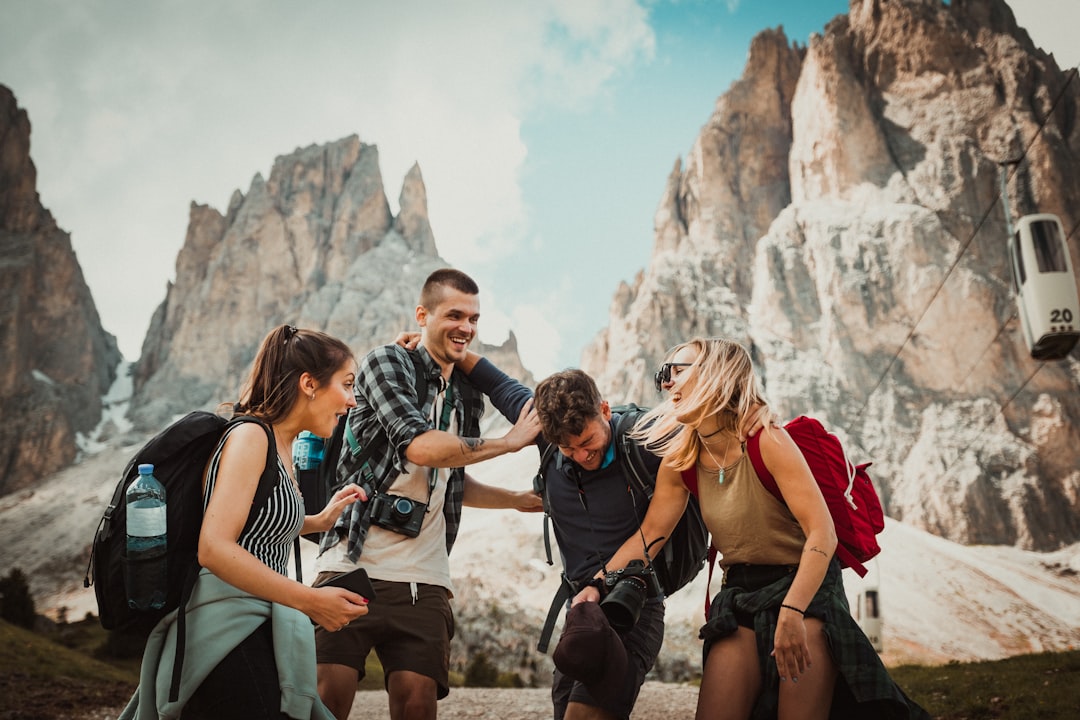
A three-day workshop needs a narrative arc, not three disconnected lessons. Structure it as constraint, then application, then controlled rule-breaking.
Day one is observation only: participants shoot the same scene at three different times, documenting how light changes without worrying about composition rules yet. Day two is structured application: strict rule-of-thirds assignments, no exceptions, shot in the urban grid or wherever your location demands precision. Day three is deliberate rule-breaking: centered compositions, dead space, unconventional crops, but only after participants have proven they understand the rule they’re now breaking.
Each day’s project builds on the last one. A student who skips day one arrives at day three without the foundation to break rules meaningfully. That progression is what separates a curriculum from a collection of pretty locations.
Manage Logistics So Teaching Doesn’t Become Herding
A workshop where you’re constantly counting heads and re-explaining meetup points isn’t a workshop. It’s crowd control with a camera strap. Pre-scout every location at the actual time of day you’ll shoot it, not the afternoon before when the light looks nothing like your 6am session.
Publish the daily schedule 48 hours ahead: exact meetpoint, GPS pin, arrival time, and what to bring. A group of eight showing up to the wrong entrance of a botanical garden costs you twenty minutes of teaching time you won’t get back. Wayfield’s logistics tools let you push location details and schedule changes to the full roster at once, so a weather delay or a meetpoint switch doesn’t turn into forty individual texts the morning of a shoot. Fewer logistics fires mean you’re actually looking at student work instead of managing a group chat.
Price for Location Costs and Smaller Groups
Travel workshops carry overhead a local studio session doesn’t: scouting trips, transportation, sometimes permits for shooting on private or restricted land. Price for it directly instead of absorbing it into your margin.
A six-person intensive with dedicated pre-scouting and daily small-group critique sessions justifies $1,200 to $2,400 per participant, depending on location and duration. That price isn’t padding. It covers your scouting time, your travel, and the smaller group size that makes real feedback possible. Twelve people crowded around one instructor at a marina isn’t a critique session, it’s a lecture. Six people means everyone gets looked at, every day.
Collect Work During the Workshop, Not After
Don’t wait until the drive home to ask for submissions. Build review into the daily rhythm: participants submit their best three images from the day’s shoot by 8pm, you review overnight, and morning starts with fifteen minutes of written or verbal feedback before the next session begins.
This does two things. It accelerates the learning curve because feedback lands while the shoot is still fresh, not a week later in an inbox nobody opens. It also gives you real case-study material, actual before-and-after work from actual participants, while they’re still on-site and willing to sign a release for testimonials.
Establish a Commitment Date That Respects Deposits
Travel workshops need lead time your local sessions don’t. Lodging blocks, transportation bookings, and permit applications all require a finalized headcount well before the workshop date. Set your commitment deadline at 45 days out, with a 50% non-refundable deposit due at registration.
That deposit isn’t just protection against no-shows. It funds your own scouting trip and confirms the roster is stable enough to plan small-group critique pairings in advance. A participant who backs out at day 40 costs you nothing if the deposit already covered your prep work. One who backs out at day 3 without a deposit structure in place costs you a seat, a lodging deduction, and a scouting trip you can’t get refunded.
Structured well, a travel workshop teaches more in three days than six weekly studio sessions ever could, and it does it because the location isn’t scenery. It’s the lesson plan.







Leave a Reply