
Photo by Chris Lynch on Unsplash
Running a podcast workshop for beginners is one of the most immediately satisfying formats in creative education — participants arrive with no audio experience and leave with a finished, published episode. That turnaround is rare in workshop design, and it’s what makes audio storytelling such a compelling offering for educators and conference organizers. This guide covers everything you need to pull it off: gear, room setup, curriculum structure, and the project format that actually gets participants across the finish line.
Essential Equipment for a Podcast Workshop for Beginners
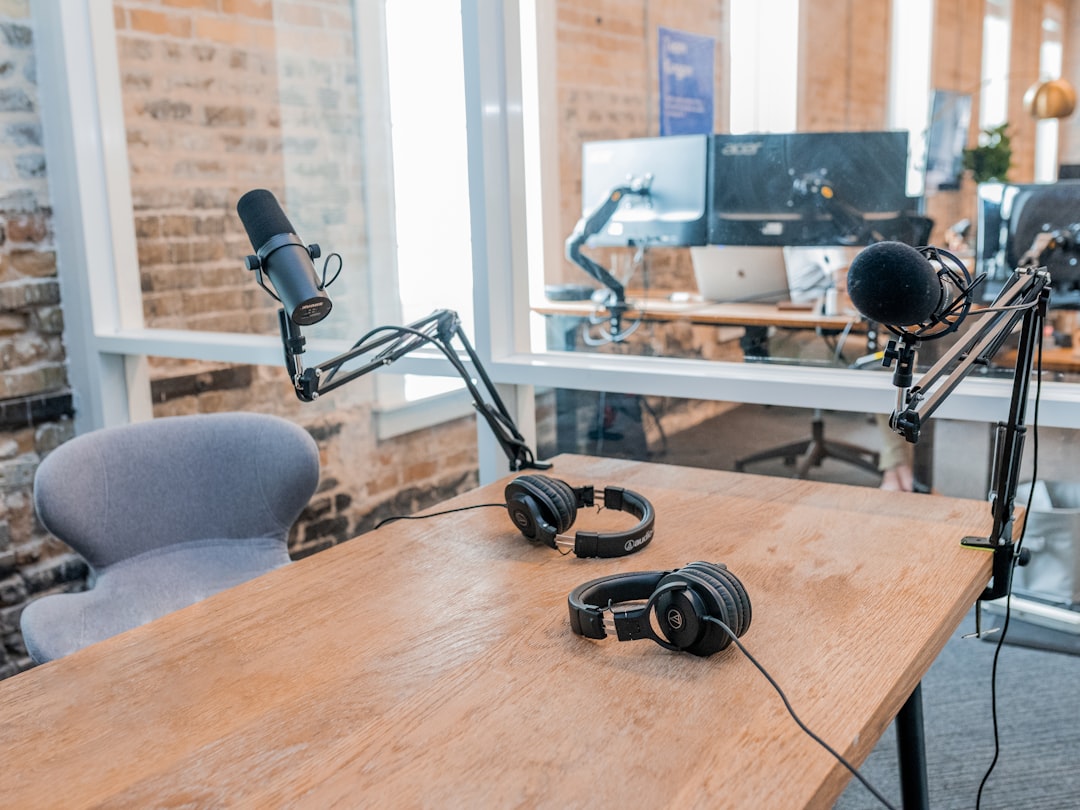
Each participant station needs three things: a USB condenser microphone, closed-back headphones, and a laptop with free recording software installed before the session starts.
For microphones, the Audio-Technica ATR2100x-USB and the Blue Snowball iCE both land under $70 and perform reliably in imperfect acoustic environments — important when you can’t control your venue. Headphones don’t need to be expensive; Sony MDR-7506s are the industry standard and run about $100, but any closed-back pair above $30 will work for a beginner session.
Software options: Audacity is free, cross-platform, and powerful enough for everything beginners will attempt. GarageBand works on Mac and has a gentler learning curve. Download and test both on your own machine before recommending one to participants — version updates occasionally break features.
Budget roughly $80–$150 per station when purchasing equipment outright. For groups under 10, shared equipment with staggered recording time is a legitimate alternative. Just build the rotation into your schedule explicitly, or you’ll hit bottlenecks during the recording block.
Choosing the Right Workshop Format
A single-day intensive running six hours is the most practical format for a beginner podcast workshop. The structure that works: two hours on storytelling fundamentals, two hours on recording technique, two hours on editing. It’s tight but completable.
Multi-week formats — four sessions of two hours each, for example — allow participants to develop more ambitious projects and get feedback between sessions. The tradeoff is dropout risk. Attendance at session four drops sharply compared to session one unless you’ve built in accountability structures like shared Slack channels or paired check-ins between meetings.
For conference settings or one-off workshops, default to the single-day format. For ongoing programs through community centers, libraries, or continuing education departments, the multi-week model produces stronger finished work.
Structuring the Audio Storytelling Curriculum
Anchor each major block to one concrete skill rather than trying to cover multiple concepts at once.
Block one — scripting and narrative arc: Start with listening, not writing. Play two short podcast clips — one with a clear narrative arc, one that wanders — and ask participants to identify the difference before they’ve touched a microphone. This calibrates their ear before they start making editorial decisions. Then introduce a basic story structure: scene-setting open, conflict or tension, resolution or reflection. Participants draft a rough script in this block, not a final one.
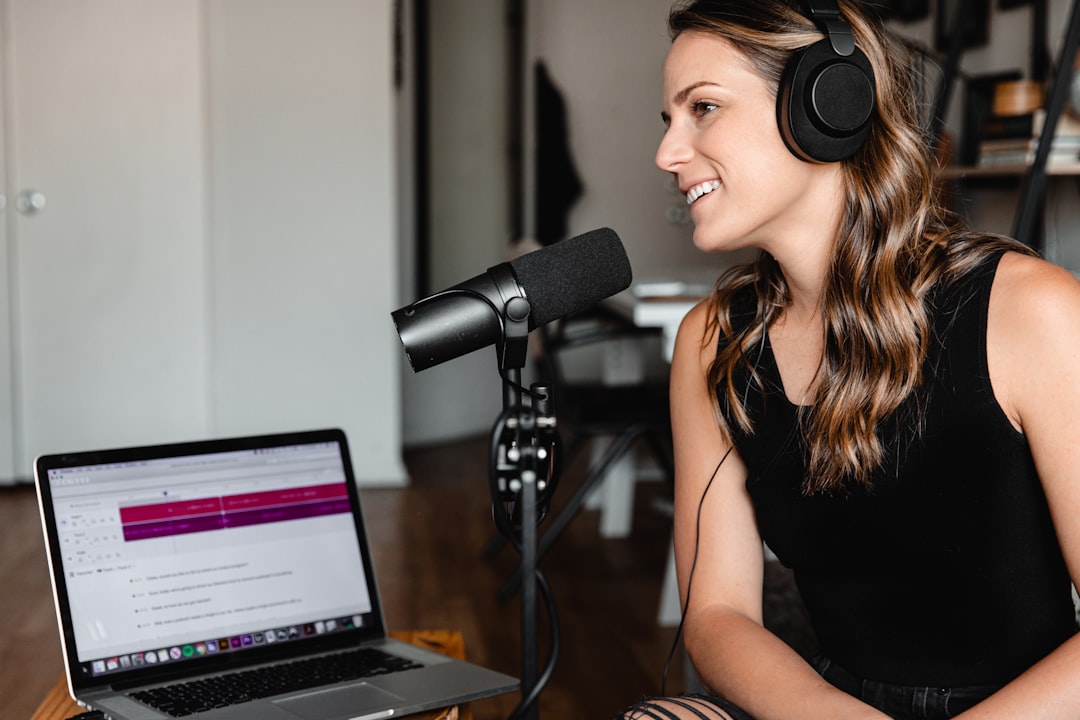
Block two — recording technique: Cover mic placement (two to four inches from the mouth, slightly off-axis to reduce plosives), room behavior (turn off HVAC, silence phones, close doors), and the recording workflow in Audacity or GarageBand. Have everyone record a 60-second test clip and play it back immediately. Most beginners are shocked by how much background noise they missed in real time — hearing it on playback is the fastest way to build acoustic awareness.
Block three — editing for pacing: Teach three edits: cutting dead air at the start and end, removing filler words that break rhythm, and adjusting clip volume for consistency. That’s enough for a beginner to produce a listenable episode. Don’t introduce music beds, EQ, or compression in a first session — it fragments attention and rarely improves a beginner’s output meaningfully.
Designing Participant Projects That Deliver Results
The capstone project is a 3–5 minute solo audio story. That length is deliberate: short enough to record and edit in a single day, long enough to require real decisions about what to include and what to cut.
Give participants a story prompt at the start of the workshop — don’t let them choose their own topic. Open topic selection creates a 20-minute decision paralysis that eats into your recording block. Effective prompts are specific but personal: “A moment when you realized something you believed was wrong” or “A skill you learned from someone who’s no longer in your life.” Participants can interpret the prompt broadly; they just can’t stare at a blank page.
This is the same logic published writing workshops use. Constraint accelerates output.
Room Setup and Acoustic Considerations
Avoid hard-walled conference rooms. Glass, concrete, and bare drywall create reflections that make recordings sound hollow and unprofessional — and beginners won’t know how to fix it in post.
Soft furnishings absorb mid and high frequencies. A room with carpet, upholstered chairs, and heavy curtains will record significantly cleaner than a modern open-plan space. When you’re evaluating venues, clap once in the center of the room and listen. A long reverb tail means trouble.
If you’re stuck with a bare venue, two low-cost fixes work well: portable vocal booths (the Kaotica Eyeball costs about $80 and attaches directly to the microphone) or moving blankets draped around a desk to create a soft recording corner. Neither is ideal, but both are acceptable for a beginner podcast workshop where the goal is finishing, not broadcast quality.
Managing Group Critiques and Playback Sessions
Reserve the final 90 minutes for group playback and structured peer feedback. Don’t skip this block when you’re running behind — it’s where the learning consolidates.
Use a simple three-point rubric: clarity of story (did you follow what happened and why it mattered?), audio quality (was it listenable without distraction?), and pacing (did it hold your attention throughout?). Post the rubric on a whiteboard before playback begins.
Peer critique builds editorial instincts faster than instructor feedback alone because participants hear their own instincts reflected back through other people’s assessments. Someone who says “I got lost in the middle” during a peer critique will remember that note when they listen to their next draft.
Keep feedback rounds to five minutes per piece. Longer rounds lose energy and become repetitive.
Publishing and Post-Workshop Takeaways
End every session with a live upload. Walk participants through creating an account on Spotify for Podcasters (formerly Anchor) and uploading their finished file. Within 24 hours, most participants will have a live, shareable episode link — that’s a tangible outcome they can send to anyone.
Provide a one-page resource sheet before people leave. It should cover: free recording and editing tools (Audacity, GarageBand, Descript for transcription-based editing), royalty-free music sources (Free Music Archive, ccMixter, YouTube Audio Library), and beginner podcast communities (Reddit’s r/podcasting, Podcraft community forums). One page. Print it. Participants who leave with a digital-only resource rarely refer back to it.
The combination of a published episode and a practical resource sheet means participants leave with both a finished project and a clear path forward — which is the benchmark every well-designed workshop should hit.



Leave a Reply