
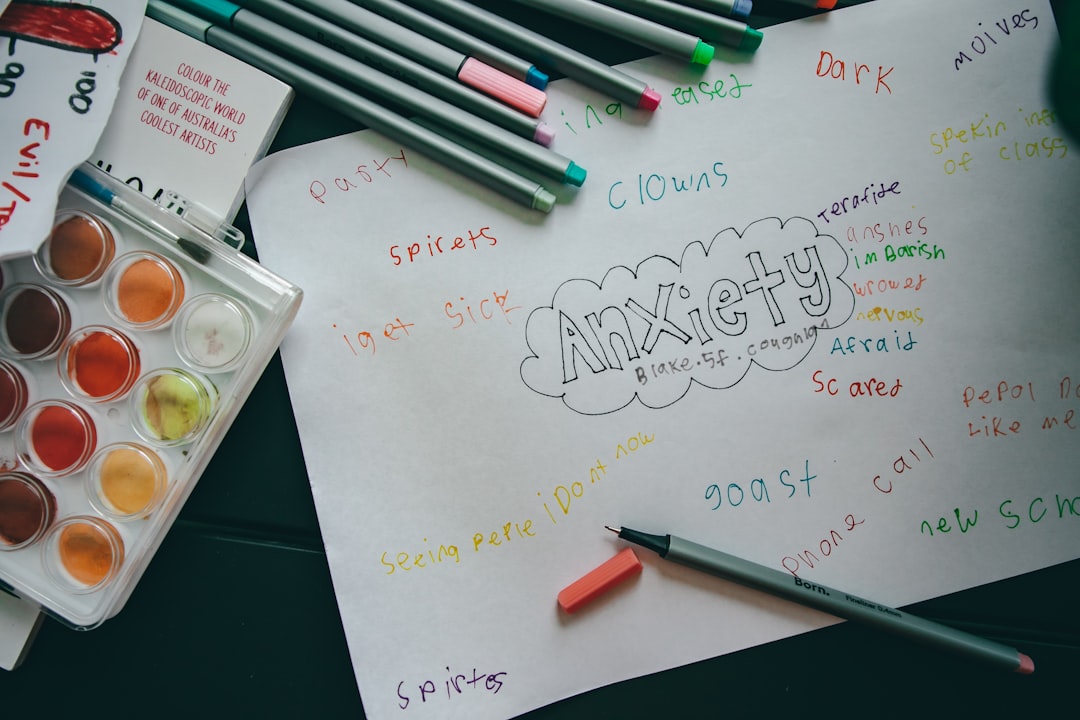
Photo by Anima Visual on Unsplash
Every workshop participant hits the same moment: the exercise that feels too hard, the technique that won’t click, the session where everyone else seems to get it faster. The instinct is to retreat to what’s comfortable. That instinct is wrong, and understanding why changes how you approach every workshop you take.
Why Comfort Is the Enemy of Skill
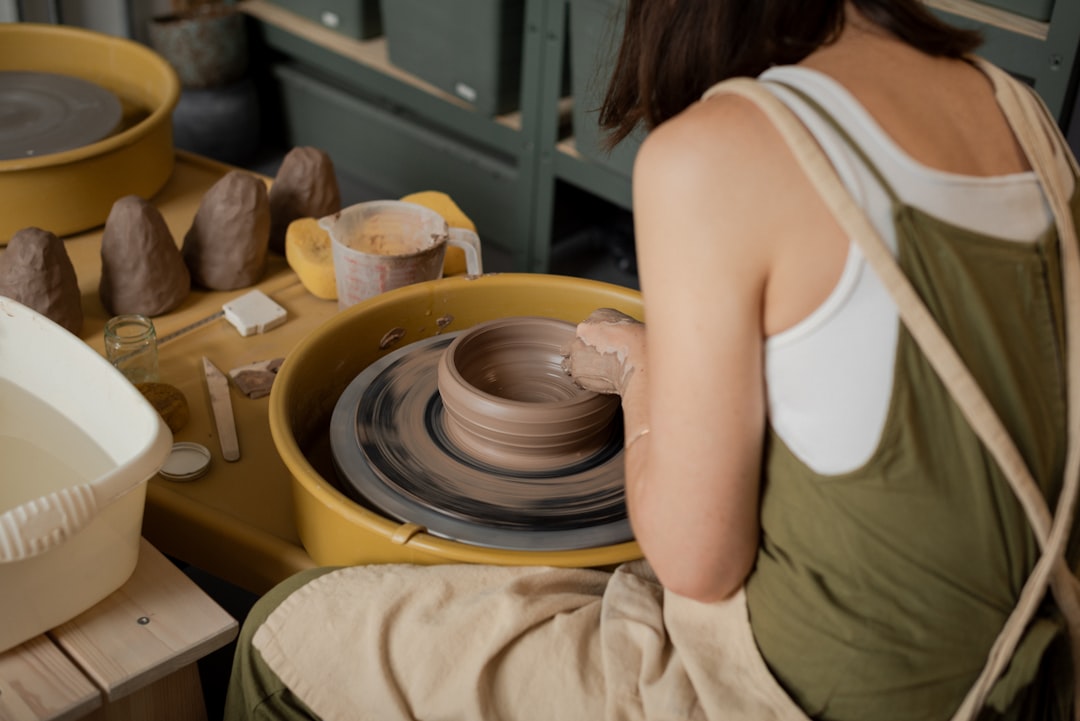
Growth happens at the edge of what you can already do, not in the middle of it. When a workshop pushes past familiar territory, the friction that follows isn’t a design flaw or a sign the session is too advanced for you. It’s the mechanism itself. Neural pathways rewire under demand, not under repetition of what’s already automatic. A ceramics student who keeps throwing bowls she can already throw isn’t building skill — she’s confirming a skill she already owns.
Workshop leaders who understand this design sessions that feel slightly too hard on purpose. If a session feels easy, something’s off in the calibration, not in the participant.
The Physical Reality of Learning
Skill acquisition is a physical process, not just a mental one. The brain stores new capability through repetition under pressure — actual pressure, the kind that makes your hands hesitate or your voice catch. Discomfort during a masterclass or intensive signals that dormant circuits are activating for the first time. Without that signal, a participant is rehearsing what they already know and calling it practice.
This is why a writing workshop that only reinforces a participant’s existing voice produces little movement, while one that forces an unfamiliar form — a sonnet from a free-verse poet, a monologue from an essayist — produces visible change within a single weekend. The discomfort is the data point that learning occurred.
How Leaders Structure Productive Struggle

Good instructors don’t maximize difficulty — they calibrate it. The target is a session difficult enough to demand full focus but achievable enough to prevent shutdown. Too easy, and participants coast. Too hard, and they disengage entirely, protecting their ego by deciding the material simply isn’t for them.
That narrow band — hard enough to require commitment, possible enough to sustain effort — is where confidence builds faster than anywhere else in the curriculum. A photography retreat leader who structures a shoot around low light and moving subjects, rather than a static, well-lit still life, is deliberately putting participants in that band. The resulting frustration is expected. The resulting competence is the point.
The Confidence Payoff
Completing something genuinely difficult rewires self-assessment in a way that praise never does. A participant who finishes a piece they were certain would fail stops needing someone else to tell them it’s good. Self-trust replaces the constant check-in with instructors, peers, or an audience. That shift — from external validation to internal judgment — is the actual marker of mastery, more reliable than technical polish.
This is also why organizers see participants return for harder, less comfortable formats after their first workshop. Once someone has felt that shift, easy sessions stop being satisfying.
Building Your Discomfort Tolerance
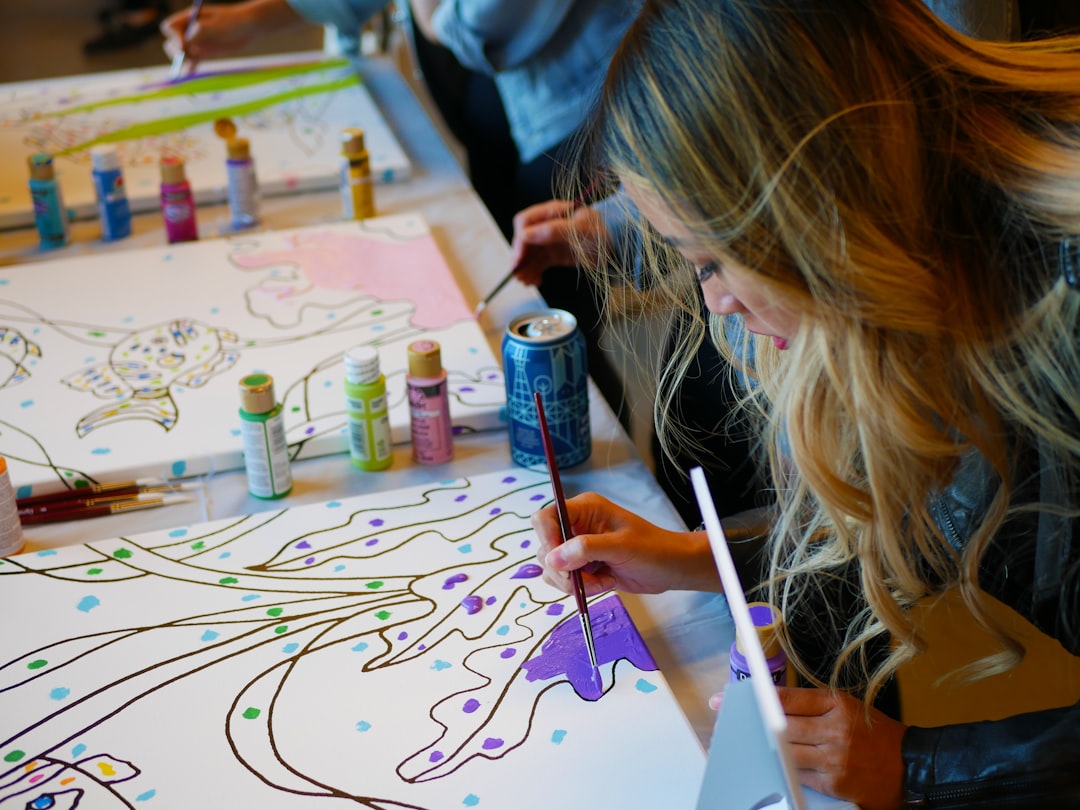
Discomfort tolerance isn’t something a participant arrives with — it’s built the same way any other skill is: incrementally. One difficult session builds capacity for the next. One challenging assignment makes the following one feel less impossible. Workshops create the container for this; the container alone accomplishes nothing without the participant supplying the commitment to stay in the uncomfortable part of the session instead of retreating to a safer exercise.
For organizers designing a curriculum around this idea, sequencing matters. A single overwhelming session early on can shut a participant down before tolerance has a chance to build. A workshop that scales challenge across its sessions — moderate discomfort first, sharper discomfort later — gives participants the on-ramp they need to stay engaged rather than opt out.
Participants looking for that kind of structured challenge don’t need a personal referral to find it. Wayfield’s public workshop marketplace lists sessions by discipline and difficulty, which means someone ready to move past their current comfort zone can find a leader running exactly that kind of intensive without waiting for an invitation from someone already in the room. The audience for a well-calibrated, appropriately difficult workshop is bigger than any single leader’s existing list.
The Role of Community in Hard Work
Struggling in isolation feels like failure. Struggling alongside peers feels like process. Watching another participant fumble the same technique, get frustrated, and keep working removes the shame that usually attaches to visible incompetence. It normalizes the messy middle — the awkward, unglamorous stretch between beginner and competent that every practitioner passes through and few people talk about publicly.
This is one of the underrated functions of a group workshop format over solo practice or one-on-one instruction. A cohort doesn’t just share logistics and a join code — it shares the experience of being bad at something in front of other people and continuing anyway. That shared experience does more for long-term persistence than any individual pep talk from an instructor.
Artistic growth through discomfort isn’t a slogan for workshop marketing — it’s a description of how skill actually forms. The sessions that feel hardest, in a well-run workshop, are the ones doing the most work. Choosing the harder track, the leader with less patience for hand-holding, the exercise you’re not sure you can finish — that choice is the curriculum, not a detour from it.





Leave a Reply