
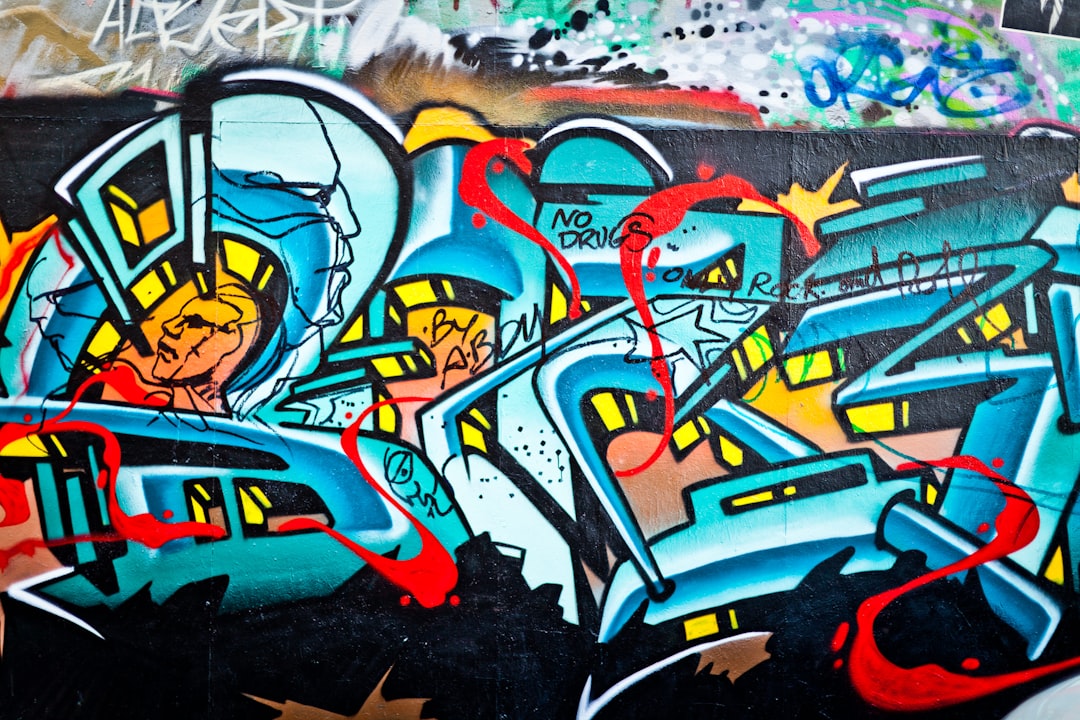
Photo by Char Beck on Unsplash
A writer spends three years bombing under a bridge overpass, refining a wildstyle piece that took forty hours across six sessions. Buffed within a week. No photo. No feedback except from two other writers who saw it once, at 2 a.m., before it disappeared. That’s the standard path to developing style in graffiti: repetition without retention, practice without critique, and constant risk of arrest or fines eating into whatever time you have to paint. A graffiti style development workshop flips that math. You get walls that stay up, eyes that give you real feedback, and hours you don’t spend watching for headlights.
Why Graffiti Artists Need Structured Practice (Not Just Walls)
Most writers learn the way that first artist did: illegal surfaces, buffed work, and a style that develops in fragments because nothing survives long enough to build on. You paint a piece Tuesday night, it’s gone by Thursday, and the lessons you might have pulled from studying your own work never happen because the work no longer exists.
Structured practice changes the variable that matters most: time. A workshop gives you three hours on a legal wall instead of forty-five minutes of anxious execution. You can step back, look at your letter spacing, fix it, and keep going. That single shift, from rushed to deliberate, is why a workshop setting develops style faster than years of unsupervised practice ever could.
Core Elements That Define Your Personal Style
Style isn’t one decision. It’s dozens of small, consistent choices stacked on top of each other. Letter structure (wildstyle’s interlocking arrows versus bubble letters’ rounded simplicity). Color palette (a writer who always reaches for magenta and teal builds instant recognition). Line weight. The specific way you finish a serif or drop a shadow.
A good graffiti style development workshop isolates these elements instead of treating style as one big mystery. Spend one session only on letter structure, sketching the same word twenty times with different connection points. Spend the next only on color, doing the same piece in three different palettes to see which one actually reads as "you." Isolating variables is how you find out what’s a signature move and what’s just a habit you picked up from someone else’s Instagram.
Legal Practice Spaces and How to Access Them
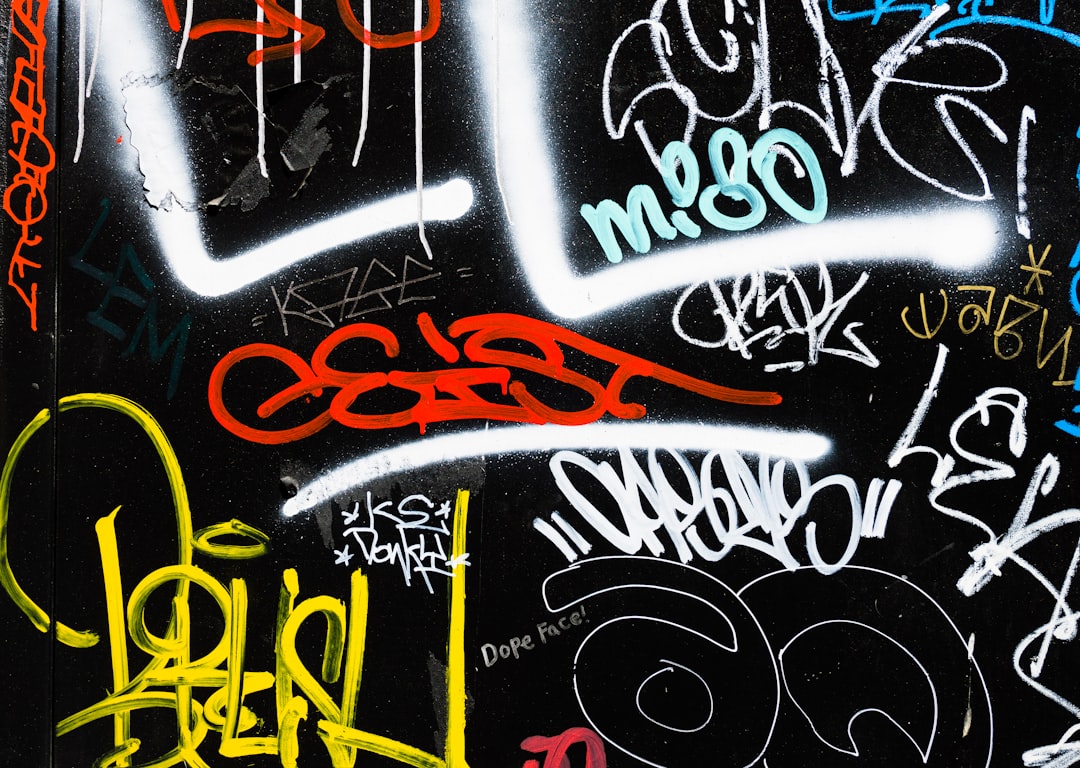
Legal walls exist in most cities, even if nobody’s advertising them well. Community centers run paint jams on weekends. Some cities designate specific walls, underpasses, or skate parks for open painting. Mural commissions, even small ones for a coffee shop or a school hallway, count as legal surface time.
Getting access usually comes down to relationships, not permits. A property owner who’s seen your work at a community event is far more likely to hand you a wall than one who’s never met you. Local arts organizations often broker these connections, matching writers with property owners who want murals and don’t know where to find artists. Show up to two or three paint jams and you’ll usually walk away with at least one lead on a wall nobody else knows about yet.
Workshop Formats That Accelerate Skill Development
Not every format serves every stage. Drop-in sessions work well if you’re new and need reps on fundamentals: can grip, letter proportion, basic fill techniques. One afternoon, one wall, low stakes.
Style refinement needs more time. Multi-week formats, four to six sessions spread over a month, let you paint something, get critique, revise, and paint again. That loop (paint, critique, revise) is where style actually sharpens. Look for workshops that pair technical instruction with peer critique specifically. Watching three other writers solve the same letter-connection problem you’re stuck on teaches you more in twenty minutes than another solo YouTube tutorial will.
Building Community and Finding Mentorship
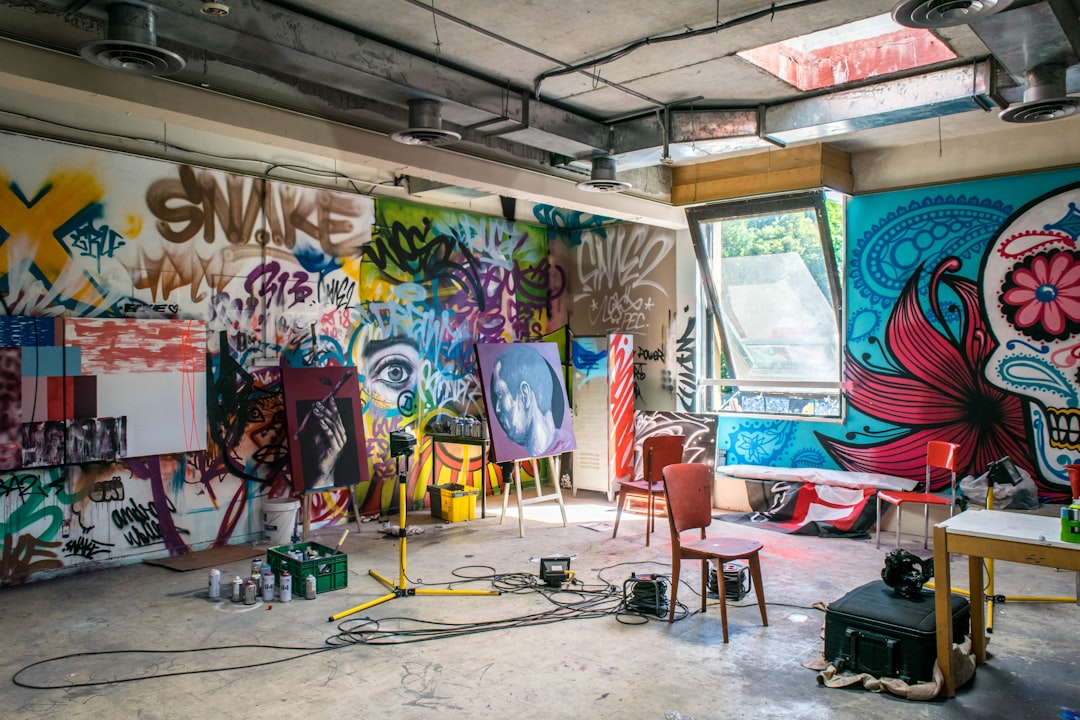
Graffiti has always spread through crews, and crew culture has real value: it’s how technique passes down and how writers hold each other accountable. But crews are also insular by design. If you don’t know the right people, you don’t get the knowledge.
Workshops and organized paint events open that up. A session with twelve participants ranging from six-month writers to fifteen-year veterans puts you in a room where knowledge transfer isn’t gatekept by who you know. Mentorship happens naturally when a more experienced writer sees you struggling with a fill technique and just shows you the fix, because the workshop format expects that kind of exchange.
From Workshop to Commission Work
Developed style eventually turns into paid work: mural commissions, public art contracts, gallery shows. Cities increasingly hire writers directly for public art budgets, and business owners commission storefront murals once they see a portfolio with consistent style.
A lot of workshops build this pipeline in directly, connecting participants to commission opportunities and covering the business side most art training skips: how to quote a mural by square footage, how to draft a simple contract, how to handle a deposit before you touch paint. A writer who can charge $8 per square foot for a 400-square-foot wall and actually get paid on time has a sustainable practice, not just a hobby with good Instagram engagement.
How to Find and Join the Right Workshop
Start local: community arts organizations, independent studios, and paint supply shops usually know which workshops are running and which ones are worth your time. Ask about instructor credentials (have they shown or painted commissions themselves), class size (eight participants gets you real feedback; thirty doesn’t), and surface access (is there an actual wall, or just paper and markers).
Platforms built for workshop discovery make this search faster. On Wayfield’s public marketplace, organizers list graffiti style development workshops with full details on format, skill level, and surface access, so you can search by exactly what you need instead of scrolling through generic "art class" listings. The tagging system covers duration, skill level, and format specifically, which means a six-week style refinement workshop for intermediate writers shows up when you search for it, instead of getting buried under one-off beginner sessions. Once you find the right fit, join codes and registration windows let you lock in a spot before the popular sessions fill, which they do, fast, once word gets around that the walls are legal and the critique is real.






Leave a Reply