
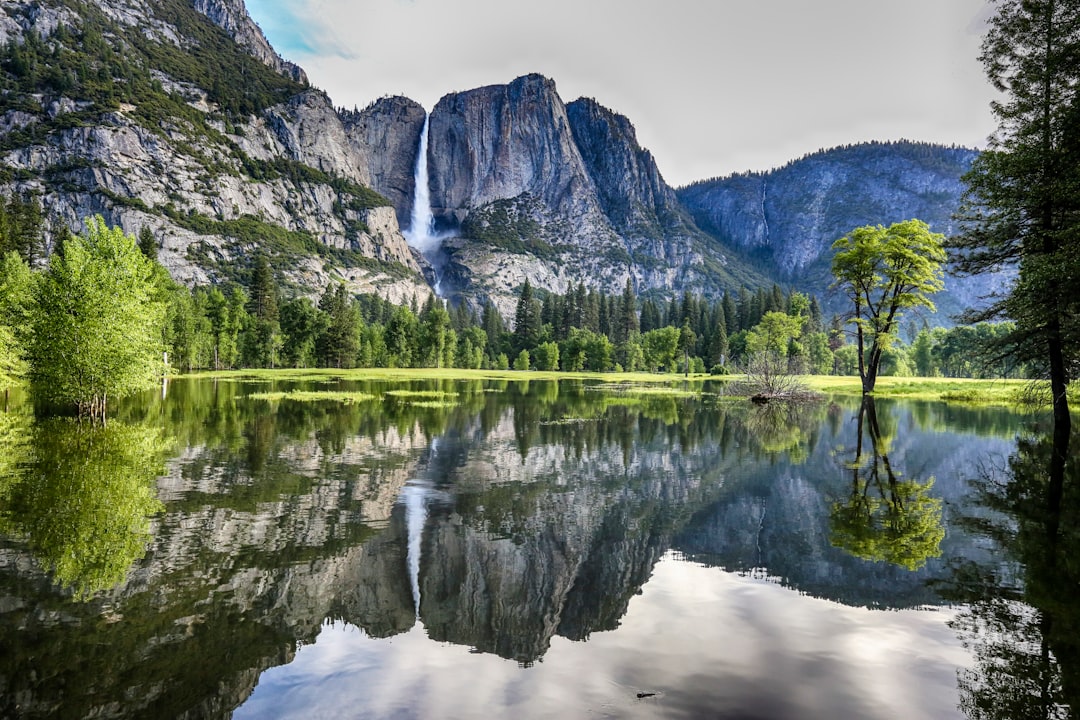
Photo by Mick Haupt on Unsplash
A permit denial three weeks before your registration deadline will teach you more about national park logistics than any guide can. That’s the position a lot of first-time outdoor organizers find themselves in: participants signed up, deposits collected, and no confirmed access to the site. Leading workshops in national parks rewards planning that starts months earlier than an indoor event ever would.
Why National Parks Demand Different Planning Than Indoor Venues
A studio workshop has four walls, a lockable door, and a thermostat. A national park has none of that. Weather changes the shoot list. Cell service disappears past the trailhead. The land itself belongs to an agency with its own approval process, and that process doesn’t move on your timeline.
Budget for it. A photography workshop held in a national park typically carries 30 to 40 percent more logistics overhead than the same workshop held indoors, once you count permit fees, insurance riders, and the extra staff time needed for site visits and contingency planning. Organizers who price and schedule as if the park were just a prettier studio get caught off guard when the permit office asks for a certificate of insurance they don’t have.
Permit Requirements: Which Parks, What Forms, Timeline
Most national parks require a Special Use Permit for any organized group over 10 people, and processing windows run 30 to 90 days depending on the park and season. Fees range from $50 for a small day-use gathering to $500 or more for multi-day workshops with equipment setups like tripods, reflectors, or drone use.
Start with the park’s Special Use Permit office, not the visitor center. Visitor center staff answer questions about trail conditions and camping reservations; they don’t process commercial or organized-group applications. Call ahead, ask for the permit coordinator by name if you can, and request the current fee schedule in writing. Popular parks like Zion or Acadia book permit slots for peak season a year out, so a workshop planned for October photography season needs its application filed by winter.
Liability, Insurance, and What Your Current Policy Actually Covers
Standard event insurance, the kind that covers a rented conference room or a hotel ballroom, does not cover wilderness activity. Read your policy’s exclusions section before you assume anything. Most general liability policies specifically exclude activities on federal or state land unless you’ve added an activity-specific rider or purchased a policy designed for outdoor programming.
Parks often require the permit holder to name the park service as an additional insured on the policy, with a minimum coverage amount specified in the permit terms; $1 million is common. Verify this before you confirm a single participant. Most claims from outdoor workshops come from ordinary things: a slip on wet rock, a fall on uneven trail, a tripod knocked into someone’s shin. None of that is exotic risk, but it’s risk your indoor policy was never written to handle.
Capacity, Weather Contingencies, and Participant Communication
Weather shuts down an outdoor shoot faster than almost anything else in workshop planning. A storm front that would just mean a wet parking lot at an indoor venue can mean a canceled trail closure at a park. Build a 48-hour decision window into your registration process: the point by which you’ll announce a reschedule, a location shift, or a full cancellation based on the forecast.
Tell participants this upfront, before they register, not after they’ve booked flights. Spell out exactly what happens if conditions force a change: do they get a credit, a refund, a rain date? Ambiguity here is where refund disputes start.
Logistical Checklist: Parking, Water, Restrooms, Emergency Access
Remote trailheads often have no cell service, and the nearest emergency responder can be 45 minutes away. This isn’t a detail to guess at from a map. Confirm parking capacity for your group size, locate the nearest water source, and walk the evacuation route yourself during a site visit before the workshop date.
One missed detail compounds on workshop day. A parking lot that holds 15 cars but no overflow lot means half your group circles the road looking for a spot while the session start time slips. Restroom access at a trailhead two miles from the shoot location means factoring bathroom breaks into your schedule, not discovering the gap mid-session.
Registration Workflow and Commitment Deadlines for Weather
Collect contact information, emergency contacts, and signed liability waivers at least two weeks before the workshop, not the morning of. Set a final commitment deadline 72 hours prior so you have time to activate a contingency plan if your numbers drop below the threshold that makes the workshop viable.
This is where the paperwork side of outdoor workshops tends to break down, chasing participants for a signed waiver by email, hoping it arrives before the trailhead meetup. Wayfield’s ESIGN-compliant waiver signing handles this before anyone shows up: participants sign a legally binding waiver as part of registration, with scroll enforcement and an ESIGN Act disclosure built into the flow, and you get a confirmation email the moment it’s done. No printed forms at the trailhead, no chasing a signature in the parking lot.
Setting up the workshop listing itself doesn’t need to eat a weekend either. Wayfield’s Content Draft Assistant takes your bullet points, the location, the permit-required group size, the gear list, and turns them into a full workshop description with SEO meta fields generated automatically, moving from bullets to outline to finished copy in under five minutes.
Managing Costs and Pricing When Park Fees Hit Your Margin
A $500 park permit split across 12 participants adds $42 per person to your break-even cost. That number needs to be in your pricing model before you launch registration, not discovered after the workshop wraps and the margin comes up short. A workshop priced at $95 per person looks fine on paper until you subtract the permit fee, the insurance rider, and the site-visit mileage, and realize you cleared $38 per participant instead of the $95 you advertised.
Run the math backward: total fixed costs (permit, insurance, any park entrance fees per person) divided by your minimum viable group size, added to your instructor time and materials cost, gives you the price floor. Everything above that is margin. Workshops in national parks can be genuinely profitable side income, but only when the permit and insurance costs get front-loaded into the number on the registration page, not treated as an afterthought once the invoice arrives.







Leave a Reply