
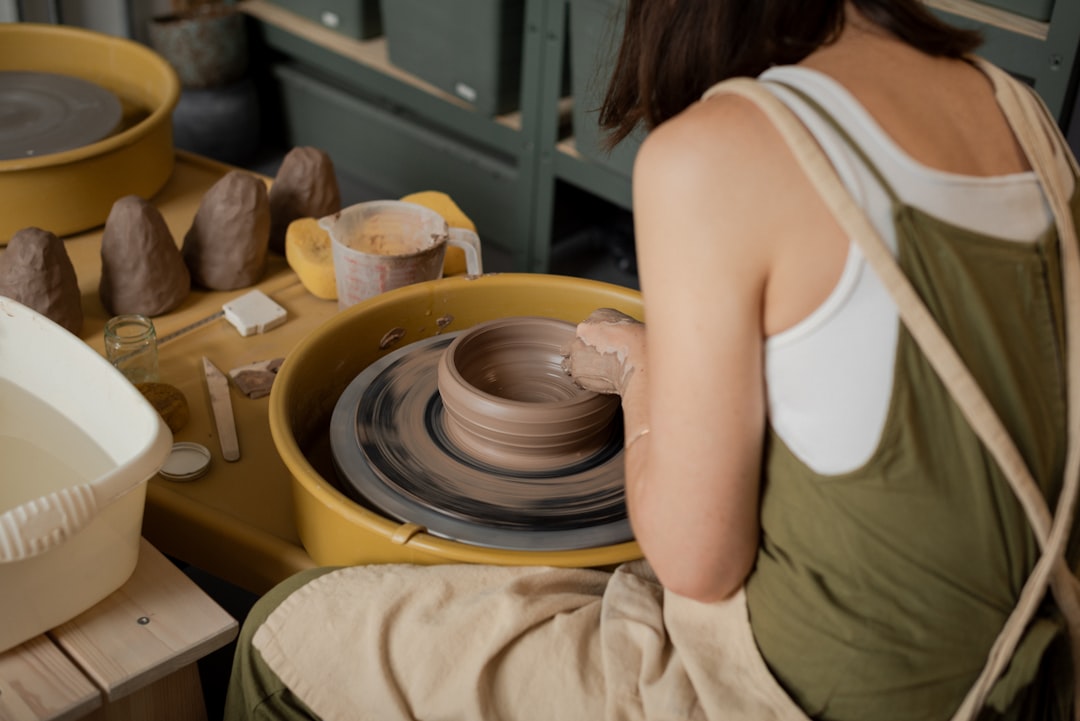
Photo by Laura Tommasina on Unsplash
Your hands are covered in slip, the wheel is spinning too fast, and the lump of clay you’re supposed to be centering just flew across the table. This happens to almost everyone in their first session. Knowing what to expect before your first pottery class won’t stop the mess, but it will help you show up ready instead of caught off guard.
What to wear and bring
Skip the good clothes. Clay stains, and the wheel splatters water and slip in a wider radius than you’d expect. Wear something you don’t mind ruining, and avoid loose sleeves that can catch on the wheel or drag through wet clay mid-project.
Bring water and a small towel. Studios get warm, and you’ll want your own towel for wiping hands between steps rather than sharing one with six other people. Closed-toe shoes matter too; clay dust and stray tools on the floor aren’t fun to step on barefoot.
Your leader supplies the clay and tools. Some workshops ask you to bring an apron or specify tool requirements in advance, so check your workshop confirmation before you leave the house. If nothing’s listed, assume the basics are covered and pack light.
Arrive with clean hands and realistic expectations
Wash your hands before the session starts. Lotion, sunscreen, or leftover hand cream changes how clay behaves on your skin and can mess with your grip on the wheel.
Your first bowl will look nothing like the leader’s demo bowl. That’s not a reflection of your ability; it’s how pottery works. A leader who’s thrown thousands of pieces makes centering look instant. For a beginner, it takes real repetition. One two-hour class gets you exposure to the process, not mastery of it. Treat the first session as the start of a skill you’ll build over several sessions, not a one-shot test of talent.
Know the basic wheel setup
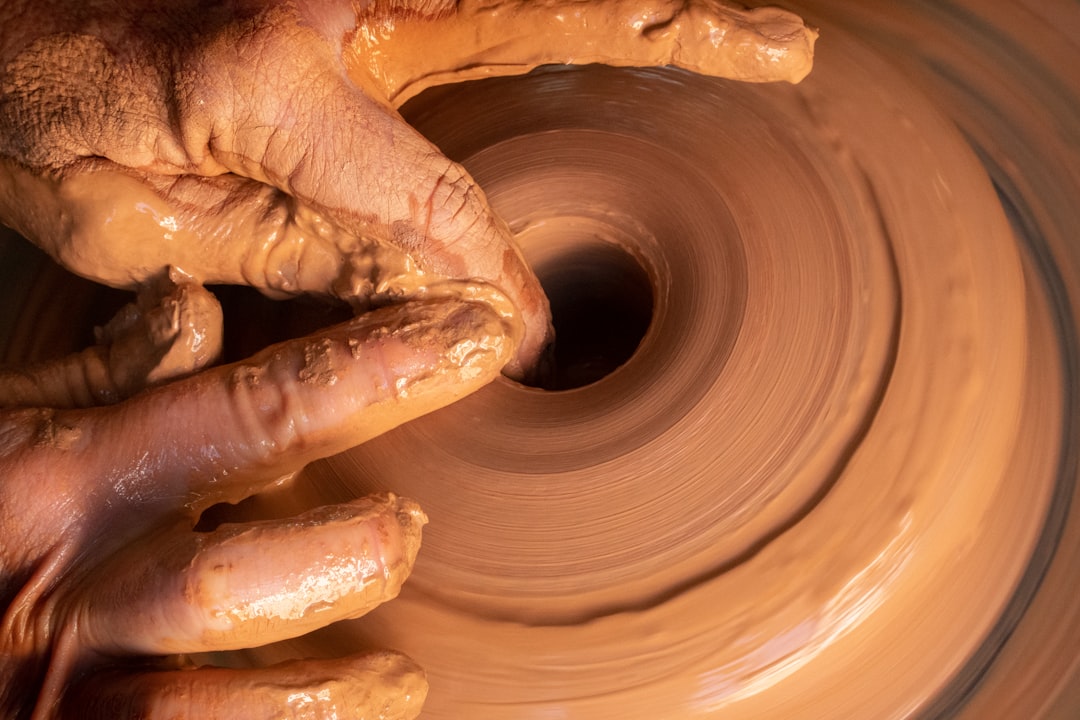
If your workshop uses a pottery wheel, plan on spending 15 to 20 minutes just learning to center the clay before you shape anything. Centering means getting the lump perfectly balanced in the middle of the wheel head so it doesn’t wobble once you start pulling walls up. It sounds simple. It isn’t.
Most beginners try to rush past centering to get to the "fun part" of shaping a pot. Resist that urge. A piece that starts off-center stays off-center, no matter how carefully you work after that. Let the leader walk you through it step by step, even if it feels slow. The 20 minutes you spend getting this right saves you from scrapping the piece 15 minutes later.
Understand what happens after class
You won’t walk out with a finished mug. Wet clay needs to dry slowly over several days, sometimes a full week, before it’s ready for the kiln. Rush the drying and pieces crack.
After drying, most workshops fire your piece in a kiln and let you pick it up later, sometimes two to four weeks out depending on the studio’s firing schedule. Ask your leader about timing and pickup logistics during the first session rather than assuming. Some studios email you when pieces are ready; others expect you to check back. Get the specifics up front so you’re not wondering where your bowl went for a month.
Bring questions about your specific technique
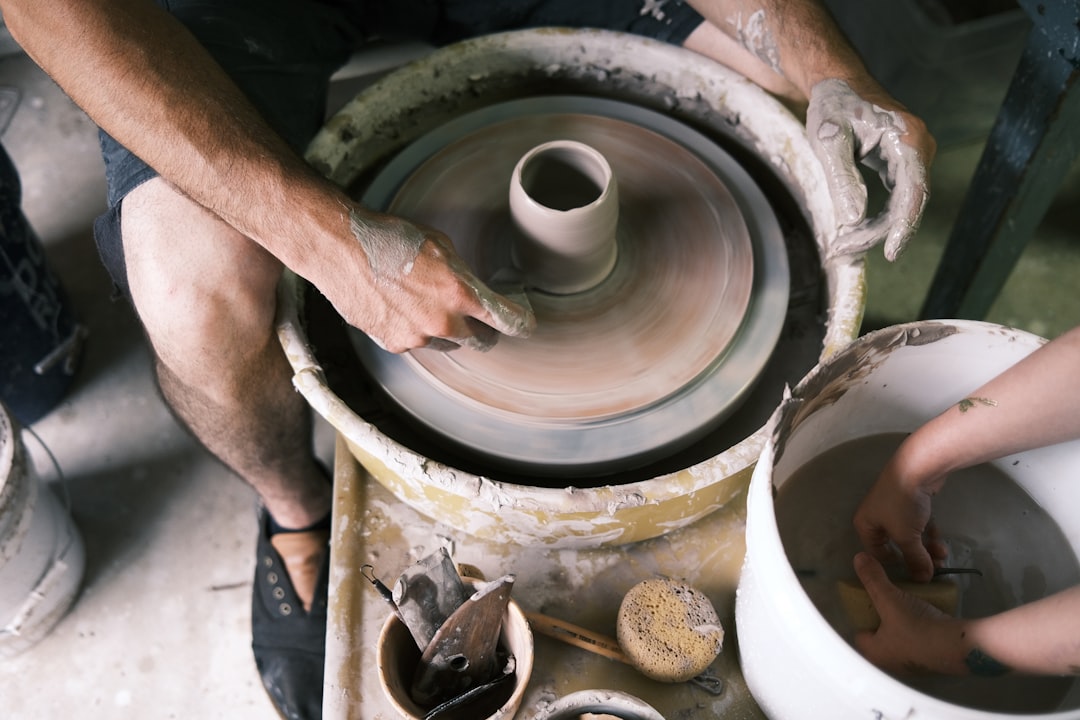
Hand-building and wheel throwing are different skills with different learning curves, and your workshop probably focuses on one. Come with questions specific to whatever technique your class covers, whether that’s pinch pots, coil building, or centering on the wheel.
Leaders expect beginners to ask for clarification, often more than once. Asking for a second demo of how to pull up a wall is a far better move than guessing and ruining a piece you were 15 minutes into. Nobody’s tracking how many times you ask. They’re tracking whether you leave with a working understanding of the technique.
Check in early and introduce yourself
Arrive about 10 minutes before your session starts. Give your name at check-in and mention if this is your first time working with clay. That one sentence changes how the leader teaches you for the next two hours.
A leader who knows you’re new will slow down on the parts that trip up beginners, like wedging clay or getting a feel for wheel speed. A leader who assumes you’ve done this before might breeze past steps you actually needed explained. Ten seconds of introduction saves you from spending the whole class quietly lost.
Find workshops near you at wayfield.app/workshops
Recommended Resources
art aprons
Protects clothing during pottery work; mentioned as optional but essential protection in the article.
towels for art
Directly referenced in the article as essential for wiping hands between pottery steps.
closed-toe work shoes
Article specifically recommends closed-toe shoes to protect feet from clay dust and tools.
As an Amazon Associate, Wayfield earns from qualifying purchases. Clicking and buying through these links supports this content at no extra cost to you.




Leave a Reply