

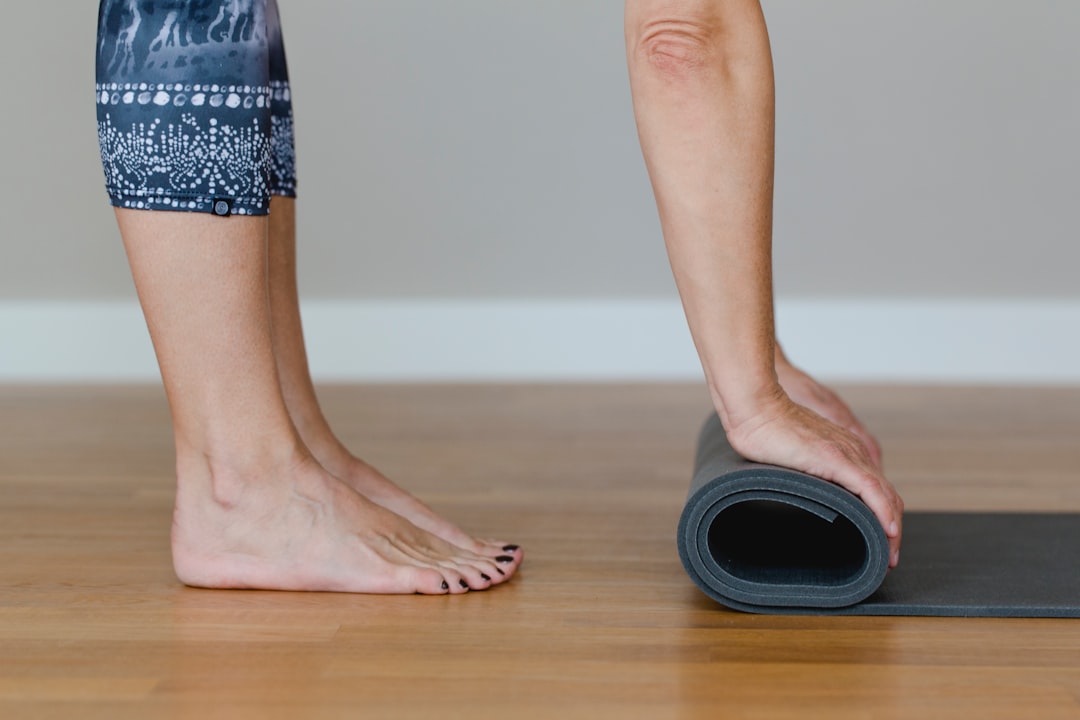
Photo by Nik Shuliahin 💛💙 on Unsplash
Your shoulders are up by your ears at 9pm on a Tuesday, three hours after you closed your laptop. You didn’t decide to hold tension there. Your body never got the message that the workday ended. This is the moment most people start Googling ways to reduce workplace stress, and it’s also the moment generic advice starts to fail them.
Not all stress responds to the same fix. A breathing app that works for pre-meeting nerves won’t touch tension that’s been compounding for six months. Recognizing which signals you’re dealing with, and matching them to the right kind of practice, is what actually moves the needle.
Physical signals that stress has moved from manageable to intrusive
Your body keeps score long before your mind admits there’s a problem. Watch for tension that doesn’t release after a full night of sleep. You wake up and your jaw is already tight, or your neck feels like it never unclenched from yesterday’s 4pm status meeting.
Shallow breathing is another marker most people miss because it’s invisible to them. Notice your breath right now, mid-sentence. If it’s high in your chest instead of dropping into your belly, that’s a nervous system running in low-grade alert mode all day.
Jaw clenching during routine tasks (typing an email, waiting for a Zoom call to load, sitting in traffic) signals the same thing. These aren’t quirks. They’re data. Your body registers workplace stress before your mind names it, which is why the physical signs show up weeks before you consciously think "I’m burned out."
The difference between a stressful week and chronic workplace tension
Acute stress has an expiration date. You give a hard presentation on Thursday, your heart rate spikes, and by Saturday morning it’s gone. That’s a nervous system doing its job.
Chronic tension doesn’t clock out. If you catch yourself rehearsing a difficult conversation with your manager during your kid’s soccer game, or drafting an email reply in your head during Sunday dinner, the pattern has shifted from situational to structural. One executive assistant described it exactly right: "I used to leave work at work. Now work follows me into the grocery store."
The test is simple. Does the stress fade when the trigger ends, or does it persist during time off? If it’s the second one, you’re dealing with an accumulated pattern that needs interruption, not just a weekend off.
Why generic ‘self-care’ advice often fails for work stress

A ten-minute meditation app session is not nothing, but it’s not built to interrupt a pattern that took four months to form. That’s the math problem with most self-care advice: it treats chronic stress like a one-time event instead of a loop.
Workshops built around movement, breathwork, or somatic practice work differently because they demand your full attention for an extended stretch of time. You can’t scroll during a 90-minute breathwork session led by someone watching your posture and pacing. The structure itself forces the mental loop to break, even if just for the duration of the session.
This is the mechanism generic advice skips. Meditation isn’t the problem. A five-minute app session simply isn’t dosed strongly enough to compete with months of accumulated tension.
What to look for in a workshop that actually resets your nervous system
Not every workshop labeled "stress relief" delivers a reset. Look for live instruction rather than pre-recorded content; a leader watching the room adjusts pacing in ways a video never will.
Duration matters more than people expect. Sessions running 90 minutes or longer give your nervous system time to actually downshift, versus a rushed 30-minute lunch-break class that ends right as your body starts to settle. Group size matters too: an 8-person breathwork circle lets the leader notice who’s holding their breath wrong or bracing through a movement sequence. A 40-person webinar can’t do that.
The best leaders teach mechanics, not philosophy. "Breathe deeply" is philosophy. "Inhale for four counts through your nose, hold for four, exhale for six through pursed lips" is mechanics you can practice and repeat. If a workshop description leans on inspirational language and skips specific technique, notice that before you register.
How a single workshop experience creates momentum beyond the session

The reset happens in the room, but the lasting change comes from what you carry out of it. A well-designed workshop sends you home with a repeatable framework, not just a good feeling that fades by Wednesday.
Look for sessions that include a takeaway practice: a five-minute morning breath sequence, or a body scan you can run through at your desk before a hard meeting. Peer connection extends the effect further. Participants who stay loosely connected after a workshop, through a shared group chat or a follow-up session, report using the practice more consistently than those who attend once and never think about it again.
When you’re comparing options, this is where checking session details pays off. On Wayfield, workshop listings show whether a leader offers post-session materials or ongoing group access, which tells you upfront whether you’re buying a single experience or the start of a practice.
Building a practice rhythm that addresses stress before burnout hits
One workshop, however good, is a data point, not a system. Recurring weekly or biweekly sessions build the kind of pattern recognition a single intensive can’t. Your nervous system learns that Tuesday at 6pm means downshift time, the same way it learned that a 7am inbox check means alert mode.
This is the actual mechanism behind resilience: not one big reset, but cumulative, predictable practice. A monthly restorative movement class beats an annual weekend retreat if your goal is preventing burnout rather than recovering from it after the fact. Consistency does the work that intensity can’t.
Find workshops near you at wayfield.app/workshops.
Recommended Resources
wellness-movement
Article mentions extended somatic practice sessions; yoga/breathwork mat supports at-home practice between workshops
Article opens with shoulder tension as primary physical signal of workplace stress
Shallow chest breathing is linked to poor posture; ergonomic support aids proper alignment
As an Amazon Associate, Wayfield earns from qualifying purchases. Clicking and buying through these links supports this content at no extra cost to you.




Leave a Reply