
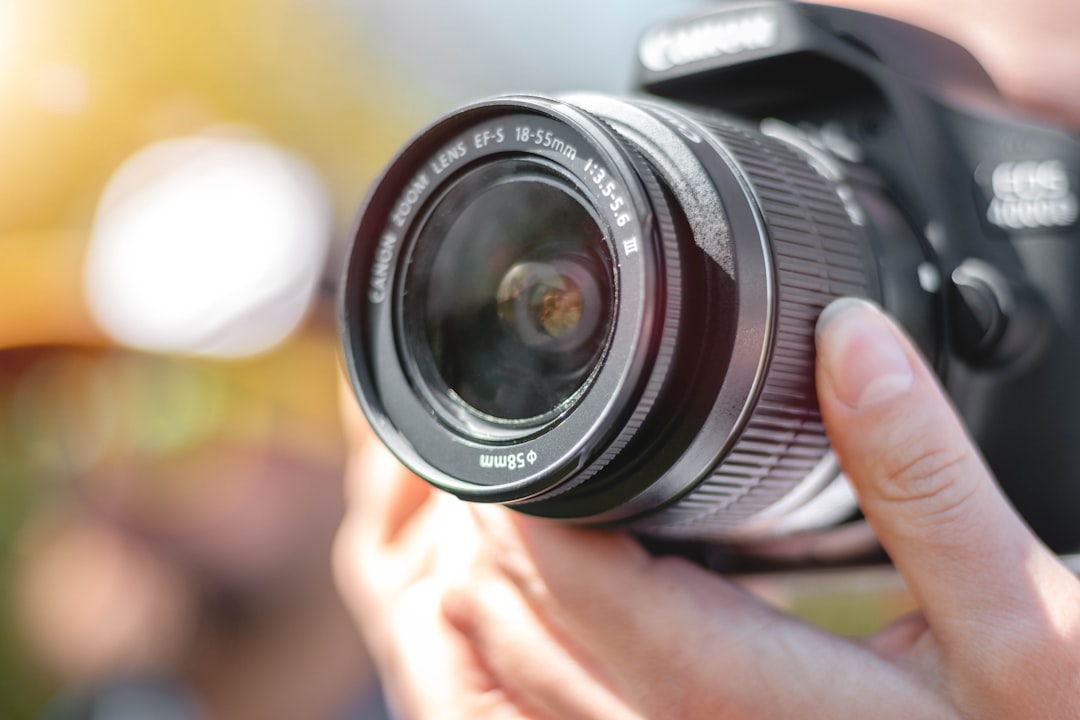
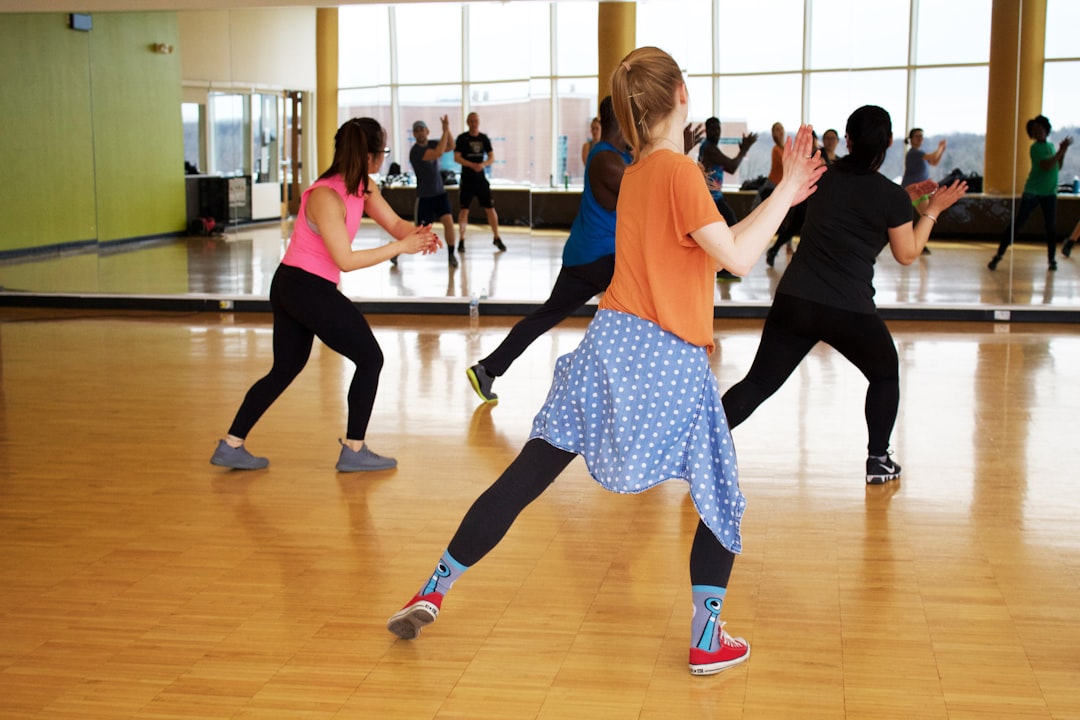
Photo by Sara Kurfeß on Unsplash
You show up to your first landscape workshop with a borrowed tripod and four hundred frames waiting to happen. By the end of the golden hour session, you’ve shot maybe three hundred and eighty of them, and twelve are worth keeping. That ratio feels like proof you’re doing something wrong. It’s actually proof the process is working exactly as it should.
Photography is learned by making mistakes, not by memorizing rules
Beginners walk into their first class expecting it to work like a college lecture: absorb the rule of thirds, apply the rule of thirds, take a great photo. Photography doesn’t cooperate with that model. Every photographer whose work you admire has ten thousand frames in a folder somewhere with blown highlights, missed focus, and compositions that fell apart. Ansel Adams didn’t get the exposure right on the first try either. Growth in this discipline happens through repetition and failure, not through flawless execution on attempt one.
This matters most in the first few weeks of learning photography as a beginner, when every technical decision (aperture, shutter speed, ISO, white balance) still requires conscious thought instead of instinct. The instinct comes later, and only after enough reps that your hands start making decisions before your brain finishes the sentence.
Set up a deliberate experiment before each session
Walking into a workshop with no plan means you’ll shoot whatever the leader points the group toward and hope something turns out. Walking in with one specific question changes the entire two hours.
Pick something narrow: how does a portrait look at f/2.8 versus f/8 with the same subject and light? What happens to a waterfall shot at 1/500 versus 1/8 of a second? Does manual white balance actually look different from auto on an overcast afternoon? Shoot five or six variations of that one thing. Compare the results side by side that night.
A session built around a specific question turns passive attendance into active testing. You’re not hoping to learn something. You’re answering something.
Track what you actually did, not what you think you did
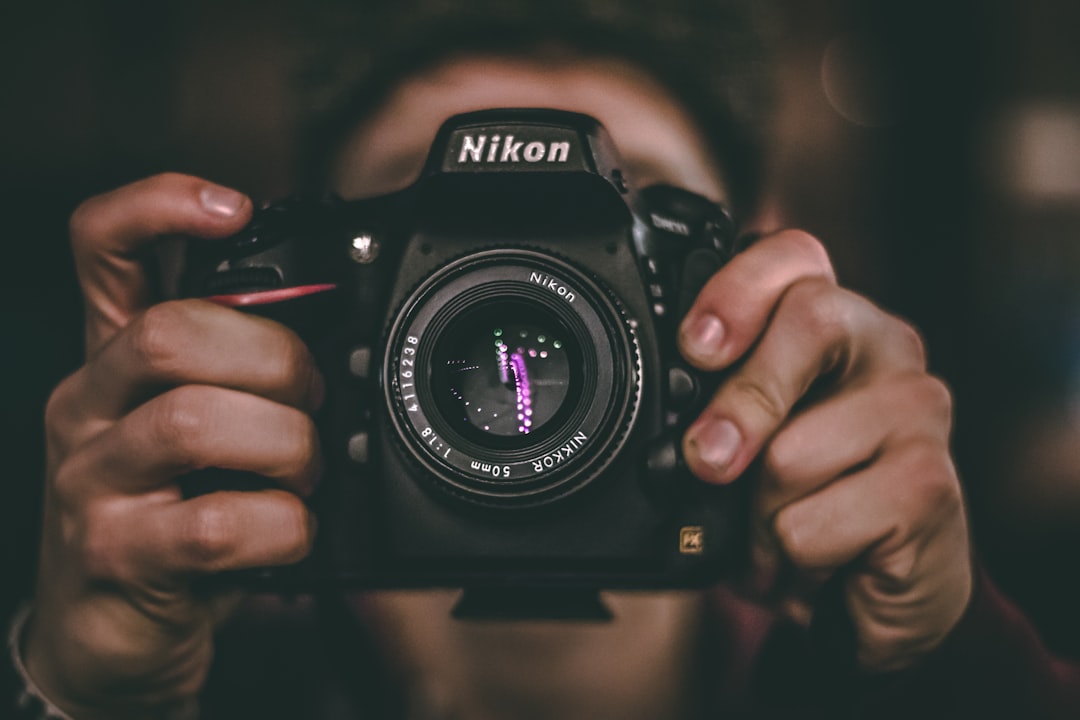
Memory is a bad research assistant. You’ll swear you shot that sharp mountain shot at f/11, and the EXIF data will tell you it was f/4 and you got lucky with depth of field because the subject was 200 feet away.
Write your settings down as you shoot, not after. ISO, aperture, shutter speed, lens, focal length. A small notebook works. So does a note on your phone between frames. When you get home and go through the images, match the numbers to the results. You’ll find patterns fast: the portraits you like all sit around f/2.8 with the subject backlit, the landscapes that fall flat were all shot at midday with the sun directly overhead. That pattern only becomes visible when your notes are honest, because your memory of the shoot will smooth over the mistakes.
The workshop teaches the framework; your camera teaches the details
A good leader can explain aperture theory in ten minutes: wider opening, more light, shallower depth of field, background falls out of focus. That’s the framework, and it’s necessary. But it’s also incomplete until you’ve shot the same subject at f/2.8, f/5.6, and f/16 and seen with your own eyes exactly how much the background blur shifts between them.
Workshops exist to compress that feedback loop. Instead of guessing your way through six months of solo shooting, you get two hours with a leader standing next to you saying "try that again one stop down" in real time. Wasting that compressed time on passive listening, standing with your camera at your side while someone talks about hyperfocal distance, throws away the exact thing you paid for. On platforms like Wayfield, workshops list session details and leader specialties before you register, so you can pick sessions built around hands-on shooting time rather than lecture-heavy formats. Look for that ratio before you commit.
Bring images you dislike and ask why they don’t work
Most participants show up to a workshop with their gear and nothing else. Bring your failures instead. Pull up three or four photos on your phone that disappointed you, the portrait where the background was too busy, the street shot where your subject came out blurry, the sunset that looked gray instead of gold.
Ask the leader directly: what would you change here? Specific feedback on your own frame, in your own light, with your own subject, beats generic advice about "watch your background" every time. A leader can look at your blurry street shot and tell you in ten seconds that your shutter speed was too slow for a moving subject at 1/60. That’s the kind of correction you can’t get from a book, and it’s exactly what small-group workshops (six to twelve participants, not sixty) are built to deliver.
Expect to feel uncertain during the workshop itself
Half the group looks uncertain during the manual settings portion of most beginner workshops. That confusion is not a sign you’re behind. It’s a sign you’re standing at the edge of your current skill level, which is exactly where learning happens.
The clarity doesn’t arrive during the shoot. It arrives that evening, when you sit down with the images and your notes and start seeing which experiments actually worked. Trust the uncomfortable stretch in the middle. It’s doing its job.
Ready to put this into practice with a leader who builds sessions around hands-on shooting instead of lecture time? Find workshops near you at wayfield.app/workshops
Recommended Resources
camera tripods
The article opens with a beginner using a borrowed tripod; a lightweight, portable tripod is essential gear for workshop attendees.
digital voice recorders
Article recommends tracking settings during shoots; a voice recorder is a practical hands-free alternative to writing while shooting.
notebooks
Article explicitly recommends writing down settings during a shoot; a durable, pocket-sized notebook fits the workflow described.
As an Amazon Associate, Wayfield earns from qualifying purchases. Clicking and buying through these links supports this content at no extra cost to you.





Leave a Reply