
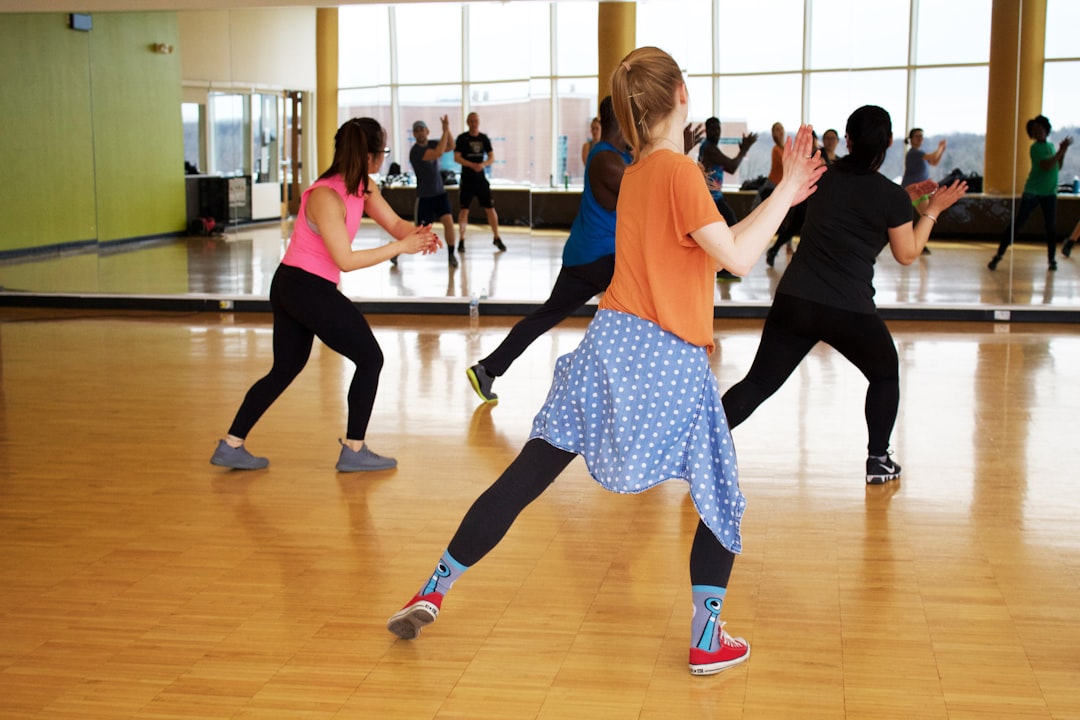
Photo by Danielle Cerullo on Unsplash
Renting studio space costs $1,500 a month before you’ve confirmed a single student will show up twice. That’s the mistake most first-time dance instructors make: they sign a lease, buy the mirrors and flooring, and then start looking for participants. Flip that order. If you want to start a dance studio that survives past month six, validate demand first and let the data tell you what to build.
Test demand with a workshop series before signing a lease
Rent a community center room or a friend’s studio space by the hour. Run 3-4 sessions over 8-12 weeks. Track three numbers: registration rate, no-show percentage, and what people say in feedback afterward.
This isn’t a soft launch. It’s a controlled experiment with almost no fixed cost. If your first four sessions average 12 registrations and 9 actual attendees, you have a demand signal worth acting on. If you’re pulling 3 people per session even after promoting in three local Facebook groups, you’ve learned that cheaply instead of learning it after signing a 12-month lease.
Price your sessions to reveal real commitment
Free workshops get you flaky sign-ups. So do $10 sessions. People register, forget, and no-show at rates north of 40% because there’s nothing on the line.
Charge $40-60 per session instead. At that price, cancelling costs something. Your no-show rate becomes an honest measure of demand rather than a measure of how many people clicked "interested" on a Facebook event. A studio in Austin ran this exact test: free intro classes drew 30 sign-ups and 11 attendees. The next series, priced at $45, drew 14 sign-ups and 12 attendees. Fewer people, far better signal.
Build your participant roster to forecast capacity needs

Once you’re running paid sessions, start tracking patterns. Which time slot fills first, Tuesday 6pm or Saturday 10am? Which sessions sit at 60% capacity no matter how you promote them?
Also track repeat versus one-time attendees. A roster where 70% of people return for a second session tells you something different than one where most people try it once and vanish. The first pattern says: build recurring capacity, maybe two studio rooms running in parallel. The second says: your workshop format isn’t sticky yet, and more space won’t fix that.
Survey participants on membership versus drop-in pricing
Ask directly, in a two-question survey after session three or four: would you commit to a monthly membership at $120, or do you prefer paying $15 per class as you go?
The answer shapes your entire revenue model. Membership money arrives whether or not someone shows up that week, which means it covers your fixed costs (rent, insurance, instructor pay) predictably. Drop-in revenue swings with attendance and is harder to forecast against a lease payment. If 60% of your surveyed group says they’d take the membership, you have the beginnings of a stable model. If most people want drop-in only, you’ll need a bigger, more consistent participant base before fixed costs make sense.
Calculate your margin before you commit to fixed costs

Run the math before you sign anything. Say rent runs $1,500 a month and insurance adds $200. That’s $1,700 in fixed costs you’re covering regardless of attendance.
If you’re running 15 classes a month at an average of $45 per participant, you need roughly 5-6 participants per class just to break even on rent and insurance alone, before paying yourself or an instructor. Look at your validation data: are you consistently pulling 5+ per session, or does that number only happen when you promote hard? A studio that hits 5 participants twice out of eight test sessions isn’t ready for a lease. One that hits it consistently across 10+ sessions has a real case.
Use your workshop data to scope equipment and setup
Mirrors, sprung flooring, a sound system: gear like this runs $6,000-$8,000 easily, and it’s useless if you buy for the wrong format. If your validation sessions show mostly beginner ballet participants, you don’t need the same flooring specs as a hip-hop program running high-impact choreography.
Your workshop data tells you participant count, skill level distribution, and which class types actually draw people. Buy equipment to match that, not to match an aspirational version of the studio you imagine running in year three.
Document everything in your participant database
Every session should feed one running record: registration numbers, attendance, feedback, repeat-visit rate. By the time you’ve run 8-12 test sessions, that record is your business plan. It shows real demand, real pricing tolerance, and real capacity needs, not projections.
Wayfield’s join code and roster features log this automatically as you run sessions, so the data builds itself instead of living in a spreadsheet you forget to update. When it’s time to decide on a lease, you’re not guessing. You’re reading a report on your own business.
Start your first workshop free at wayfield.app/getting-started, no credit card required.
Recommended Resources
dance studio mirrors
Mirrors are essential equipment explicitly mentioned as a key purchase decision when setting up a physical dance studio space.
dance flooring
Dance flooring is explicitly mentioned alongside mirrors as a critical upfront purchase before validating demand.
dance studio speakers
A sound system is necessary equipment for running workshop sessions and classes mentioned in the article's testing framework.
As an Amazon Associate, Wayfield earns from qualifying purchases. Clicking and buying through these links supports this content at no extra cost to you.





Leave a Reply