
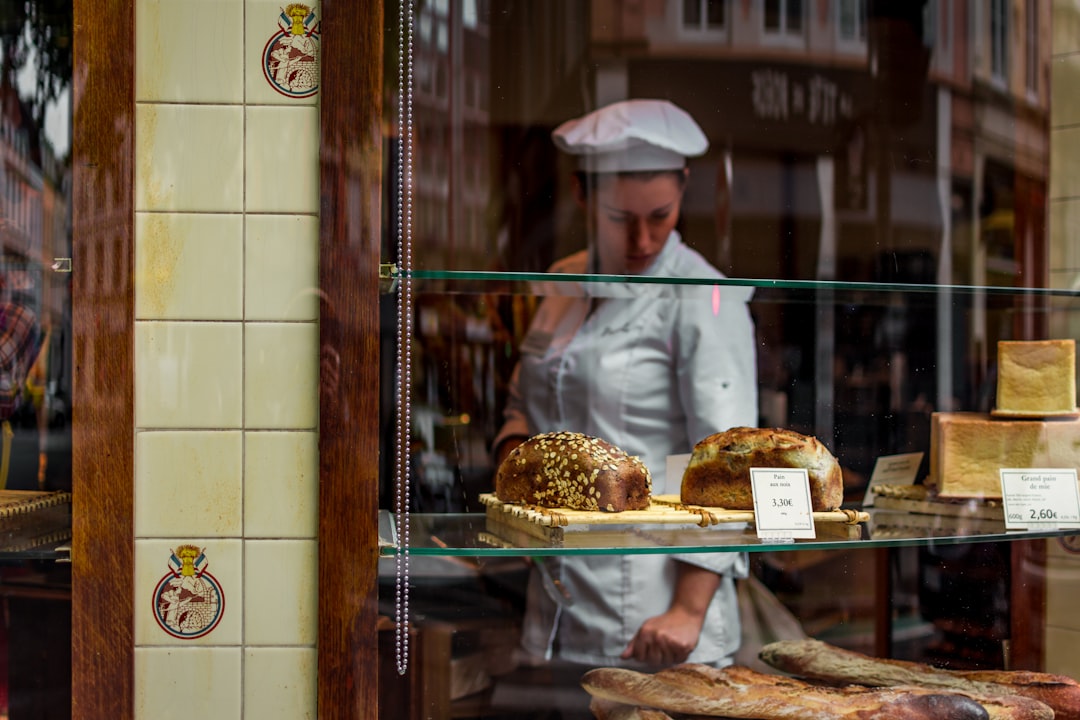
Six people signed up for your sourdough workshop at $45 each. You bought $70 worth of King Arthur bread flour, three dozen eggs, and two pounds of butter. You rented the community kitchen for $60. You spent four hours prepping starter, teaching, and cleaning up. When you do the math afterward, you made $14 an hour. That’s the problem with pricing by instinct instead of a system.
Most micro-bakery organizers set prices by asking "what sounds fair?" instead of "what does this actually cost me?" A real micro-bakery pricing strategy starts with numbers, not vibes. Here’s how to build one that holds up past your third workshop.
Start with your actual cost per participant, not a guess
Before you touch a price tag, track four things: ingredients, labor (yours and any assistants’), venue rental, and equipment wear (proofing baskets, lames, dutch ovens don’t last forever).
A 3-hour sourdough workshop for 6 people might run $180 in flour, starter culture, and butter, plus $60 for the venue, plus $40 for your assistant’s time. That’s $280 total, or about $47 per person. Scale to 12 participants and ingredient costs roughly double to $360, but venue and assistant costs stay flat. Now you’re at $460 total, or $38 per person. Same workshop, different per-head cost, because fixed costs spread thinner at higher capacity.
Most hands-on baking workshops max out around 10-12 people anyway, limited by oven space and counter room. Know your real per-participant cost at your actual capacity before you set a single price.
Price for the margin you need, not the number that sounds reasonable
Round numbers feel safe. $40. $50. $60. None of them tell you whether you’re actually making money.
Work backward instead. Say you need $300 in personal income from a workshop, and total materials/venue costs run $80. Six participants at $50 each brings in $300 gross, leaving $220 after costs, which is $80 short of your target. Bump to $55 each and you’re at $330 gross, $250 net, still short. Add a seventh participant at $55 and gross hits $385, netting $305. That’s your number.
The formula: (income target + total costs) ÷ participant count = price per person. Adjust participant count or price until the math clears your target. Don’t reverse the process and hope the round number works out.
Separate workshop revenue from your personal take-home
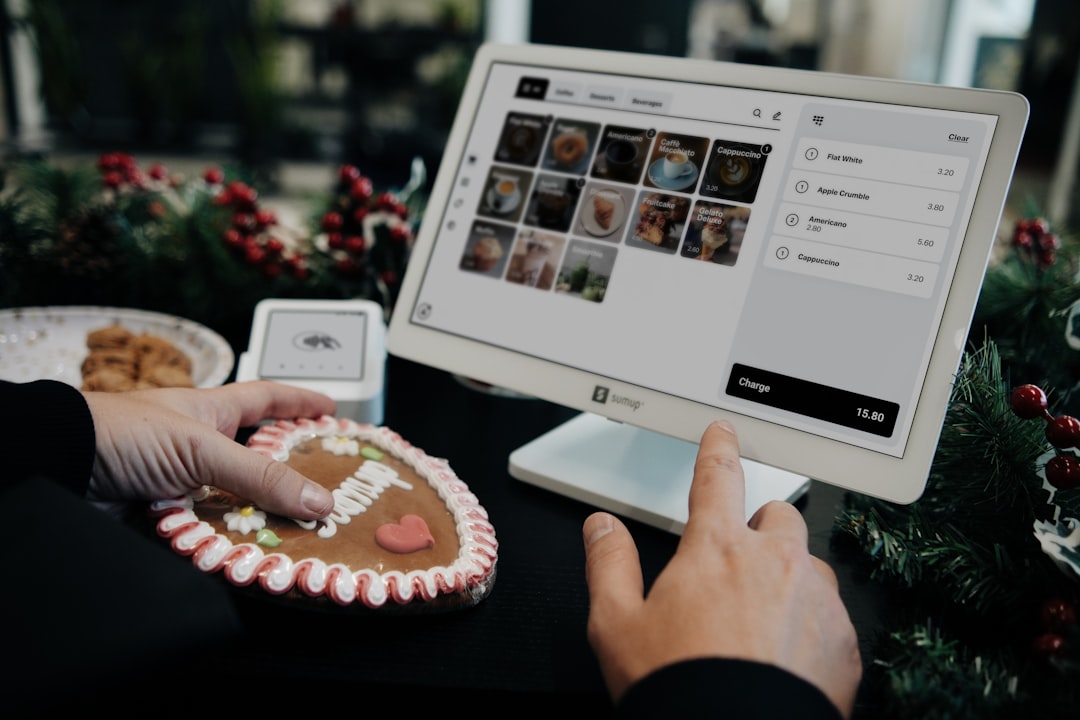
Gross registration revenue is not your income. Set aside 15-20% of every registration fee immediately for payment processing fees, refunds, and no-shows before you touch the rest.
On a $500 gross workshop, that’s $75-100 held back before you calculate what funds ingredients and pays you. Skip this step and you’ll find yourself short on flour money three workshops in, wondering where the revenue went. It went to Stripe fees and the two people who canceled a day before.
Use a simple spreadsheet template for recurring workshops
Build one sheet with these columns: date, registered, showed up, revenue, ingredient cost, venue fee, payment processing loss, net income. Log every workshop.
After three sessions, patterns show up that intuition misses. Maybe your Tuesday evening classes have a 20% no-show rate versus 5% on Saturdays. Maybe your croissant workshop nets $12 more per head than your bagel workshop despite similar pricing, because bagel ingredients cost more per participant. The spreadsheet tells you where to raise prices, cut capacity, or drop a format entirely. Guessing doesn’t.
Charge deposits to filter out no-shows and fund supplies
A 50% deposit due at registration, refundable until 7 days before the workshop, does two things at once: it funds your ingredient purchases ahead of time, and it filters out the people who register on a whim and vanish.
Participants who pay upfront show up at meaningfully higher rates than those who register with zero financial commitment. If your no-show rate is running 15-20% on free-to-cancel registrations, a deposit structure alone can cut that in half.
Build a price floor and ceiling based on local context
A 2-hour bread class at $35 fills fast in a mid-market city. That same $35 in a high-cost metro area signals you’re undervaluing the workshop, not that you’ve found a competitive price.
Check what comparable culinary workshops charge in your actual market: pasta-making classes, cheese-making intensives, pastry courses. Your bread workshop should sit between commodity cooking-class pricing and premium chef-led instruction. If a generic "cooking class" runs $40 and a Michelin-adjacent chef’s masterclass runs $200, your specialized sourdough intensive with hands-on stations and take-home loaves probably belongs in the $65-90 range, not at either extreme.
Automate payment and confirmation with Wayfield to eliminate admin overhead
Once your pricing formula and deposit structure are set, the remaining cost is time: chasing payment confirmations, tracking who paid the deposit versus who ghosted, sending reminder emails, updating your roster by hand.
Wayfield handles registration, payment collection, participant rosters, and commitment date tracking in one system, so you’re not rebuilding a spreadsheet every time someone cancels three days out. Organizers running recurring workshops report saving 2-3 hours per session on admin work alone, time better spent on ingredient sourcing or actually testing your next recipe.
Start your first workshop free at wayfield.app/getting-started, no credit card required.
Recommended Resources
Baking Supplies
Explicitly mentioned as ingredient; flour is central cost for baking workshops
Baking Equipment
Named as equipment with depreciation cost; essential for sourdough teaching
Named as wear-cost item; standard for bread workshops
Baking Tools
Specific tool mentioned; organizers need to budget for replacement
As an Amazon Associate, Wayfield earns from qualifying purchases. Clicking and buying through these links supports this content at no extra cost to you.






Leave a Reply