
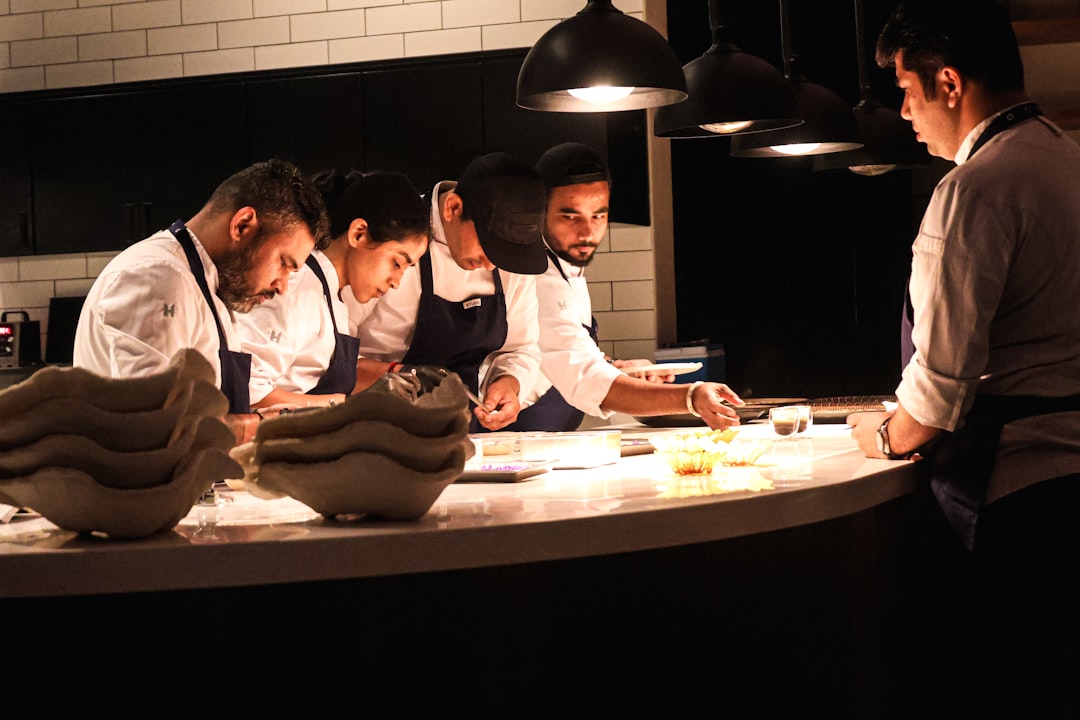
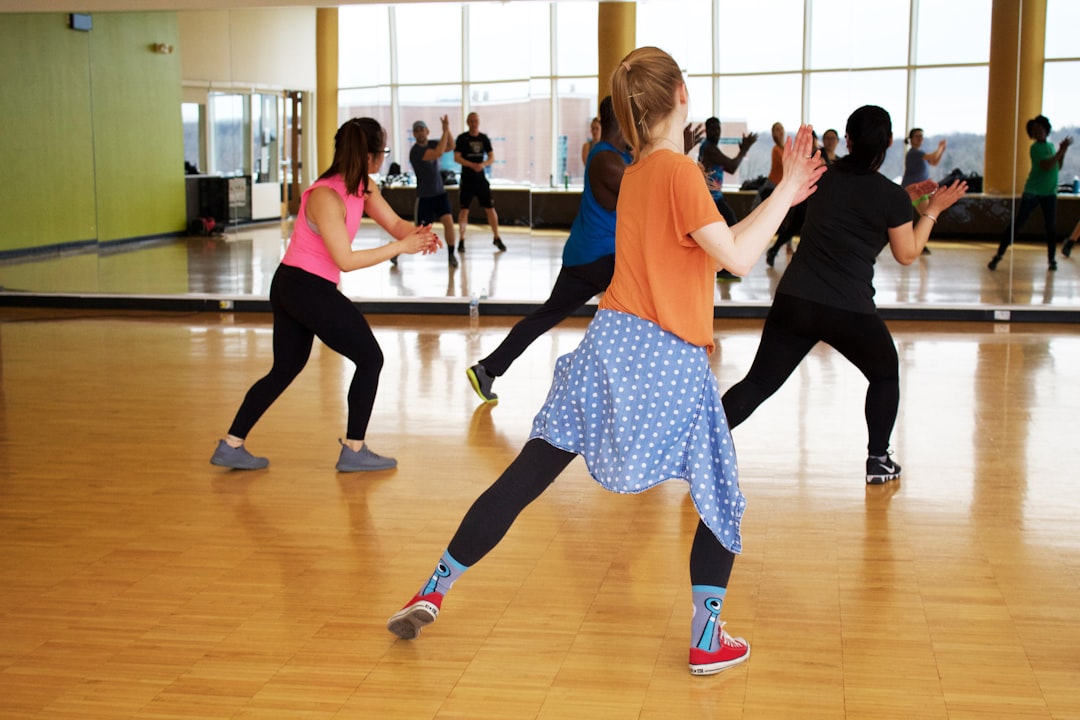
Photo by Meg von Haartman on Unsplash
You rent a commercial kitchen for four hours, buy ingredients for twelve people, pay a sous chef $150 for the shift, and charge $49 a head. Do the math and you’re underwater before the first knife touches a cutting board. A hands-on cooking workshop business doesn’t fail because people don’t want to learn to make pasta from scratch. It fails because the person running it never priced the class to survive its own success.
Price your workshop to cover costs and build margin, not compete on cheapness
A 4-hour hands-on culinary workshop with ingredients, venue rental, and one instructor runs $400-600 depending on your market. That’s flour, eggs, olive oil, parmesan, cutting boards if you don’t own enough, and the hourly rate for the kitchen space. Charge $49 and a full class of ten brings in $490, barely covering costs before you’ve paid yourself a cent. Charge $89-129 and that same class nets $890-1290. You cover ingredients, pay yourself for the four hours plus prep time, and still have margin left for the next round of sourcing.
Higher pricing also filters your roster. Someone paying $109 for a pasta workshop has skin in the game. They show up, they focus during the mise en place walkthrough, and they don’t treat the session as a casual Saturday activity they can skip if something better comes up.
Structure sessions around a single finished dish, not a survey of techniques
A workshop that promises pasta, sauce, and dessert in one sitting sounds generous. It’s actually diluted. Three techniques in four hours means twelve people rushing through mise en place, half-finishing a ragu, and leaving without mastering any single skill.
Teach one dish, start to finish. Fresh tagliatelle with brown butter and sage. Sourdough boules from starter to bake. Participants move through every station: ingredient prep, hands-on mixing or rolling, cooking, plating, tasting. They leave able to replicate the dish at home, which is the exact thing that turns a participant into a referral source. Nobody tells their coworkers about a workshop where they briefly touched five techniques. They tell their coworkers about the pasta they made from scratch and served for dinner three days later.
Confirm attendance 48 hours before the session to cut no-shows
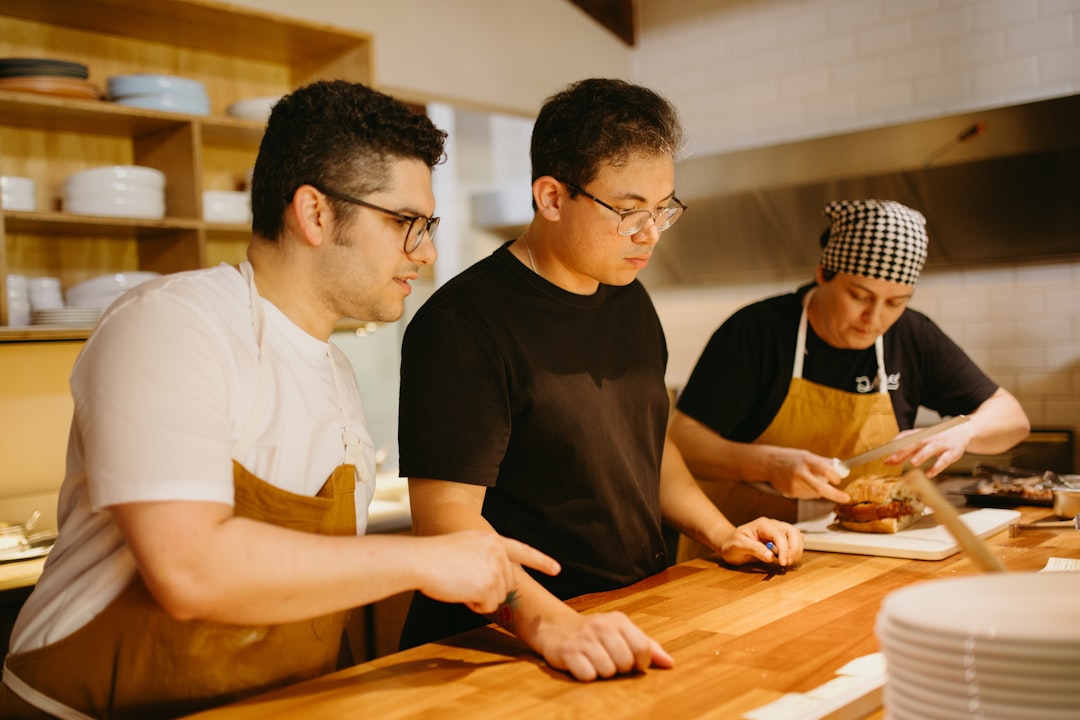
No-shows in food-based workshops hurt more than in most other formats because the ingredients are already bought and portioned by station. A no-show isn’t just lost revenue; it’s wasted product sitting in your walk-in.
Send a short confirmation message 48 hours out: time, address, what to bring (an apron if they own one, closed-toe shoes), and parking notes. That single touchpoint drops no-show rates from the typical 15-20% down to under 5%. Wayfield’s automated commitment-date reminders handle this without you tracking a spreadsheet of who confirmed and who went quiet, which matters once you’re running more than one session a month.
Capture participant contact information for follow-up and repeat bookings
A registration form that only asks for a name and a credit card number gets you paid once. A form that asks for email gets you paid again next month.
Participants who took your pasta class are roughly three times more likely to book your bread workshop, but only if you reach them before they book something else. That means collecting email at registration and sending a follow-up within a week of the pasta session, while the flour is still on their kitchen counter, not three months later when you’re planning the next round.
Ask for a specific referral after the workshop ends
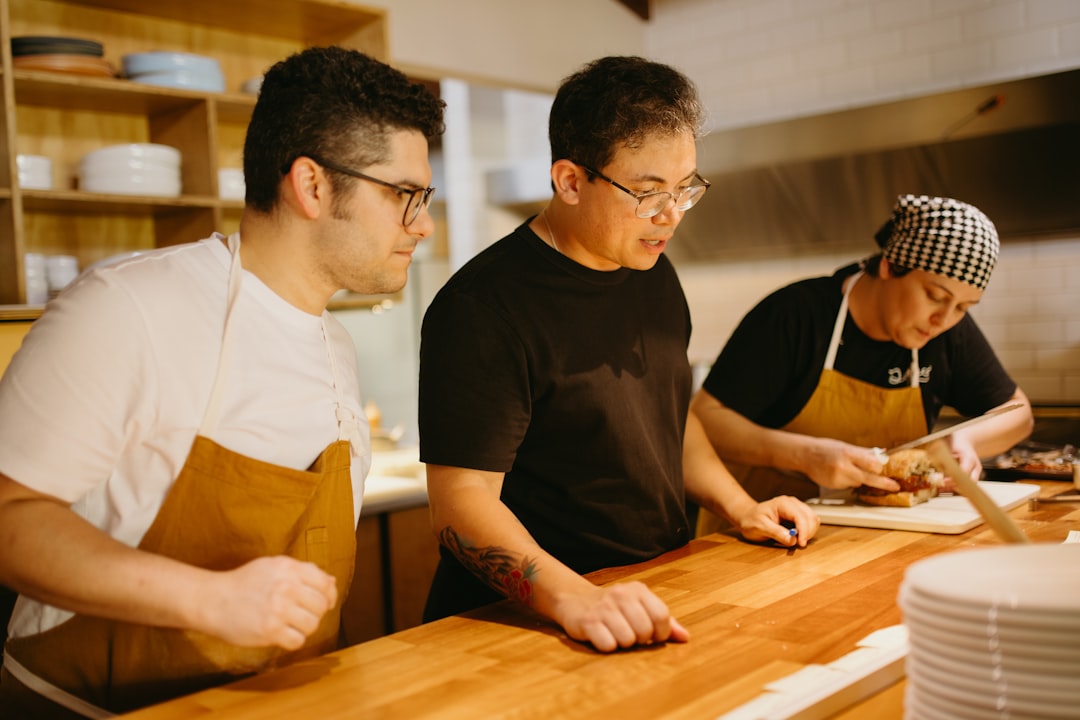
Word-of-mouth doesn’t happen by accident. It happens because someone asked for it clearly.
In the last 15 minutes of the workshop, while everyone’s plating their finished dish, say: "If you know someone who’d enjoy this, send them my way, and I’ll give you both $15 off the next session." That’s a specific number, a specific action, and a specific benefit. Compare that to hoping a happy participant mentions your workshop to a friend at some undefined future point. One of those approaches fills your next roster. The other fills nothing.
Track which sessions fill fastest and which cancel to refine your schedule
Run enough sessions and patterns show up fast. Your pasta workshop fills in 36 hours and has a waitlist of four. Your bread workshop sits at half capacity two weeks out and you end up discounting seats to avoid canceling.
That’s data, not bad luck. Double the pasta sessions. Either cut the bread workshop or reposition it as a weekend intensive at a higher price point for the smaller group of people who genuinely want it. Guessing what your participants want wastes ingredient budget and kitchen rental fees. Checking your registration numbers doesn’t.
Build a recurring workshop rhythm so participants know when to expect you
A hands-on cooking workshop business built on one-off events means re-marketing from zero every single time. A business built on a recurring rhythm, monthly Thursday pasta, first Saturday bread, seasonal fruit preservation in late summer, gets a different kind of momentum. Participants start checking their calendar for you instead of waiting for you to announce.
That consistency compounds. The person who took your March pasta class books April without being asked, because they already know the second Thursday belongs to your kitchen. Recurring slots build trust the same way a regular restaurant reservation does: people stop deciding whether to come and just show up.
Start your first workshop free at wayfield.app/getting-started, no credit card required.
Recommended Resources
chef knives
Essential equipment for hands-on cooking workshops where participants work with knives during mise en place and ingredient prep.
cookware
Heavy-duty cookware suitable for commercial kitchen environments and teaching proper sauce techniques like brown butter and ragu.
baking supplies
Complete kit for teaching sourdough from scratch, a key example workshop project mentioned in the article.
pasta makers
Professional-grade pasta maker essential for teaching fresh pasta rolling and cutting techniques in hands-on sessions.
As an Amazon Associate, Wayfield earns from qualifying purchases. Clicking and buying through these links supports this content at no extra cost to you.





Leave a Reply