
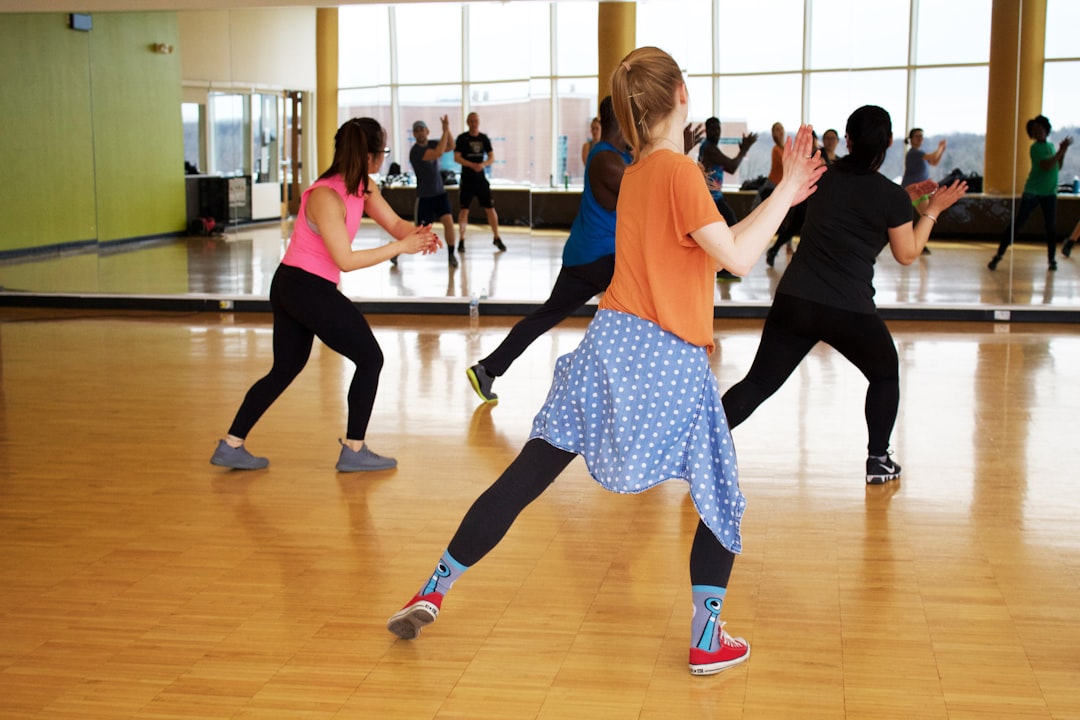
Photo by Vitaly Gariev on Unsplash
Your first paid workshop has 6 participants and zero reviews. You’re charging $150 for a half-day ceramics intensive, and every registrant is deciding whether you’re worth that money based on a bio with no teaching history attached to it. This is the exact moment workshop instructor credibility gets built or lost, and most new instructors handle it backward.
They wait for credentials to accumulate before they price confidently, market aggressively, or ask for testimonials. That’s slow and it’s the wrong order. Credibility comes from systems and evidence, not tenure. Here’s how to build it fast, without pretending you have ten years of experience you don’t.
Start with a single session format you can repeat
Pick one workshop structure and run it three times before you touch a second format. A 3-hour bread-baking workshop for 8 people, repeated with three different groups over six weeks, teaches you more about your material and your delivery than three different one-off formats ever will.
Session one exposes your weak transitions. Session two, you fix those and notice your timing runs 20 minutes long. Session three, you’ve tightened the whole thing and you’re collecting specific feedback like "the sourdough starter demo needed 10 more minutes" instead of generic praise. By the third run, you have testimonials, a refined script, and actual data on what works. That’s a track record. Variety early on just resets you to zero each time.
Price as if you’re already credible
Charging $45 for a workshop that comparable instructors price at $120 doesn’t attract more students. It signals you don’t believe in the product. Participants read price as a proxy for quality when they have no other information, so underpricing actively undermines the credibility you’re trying to build.
Charge what an established instructor charges for similar scope and duration, then deliver results that justify it. A first-time watercolor instructor charging $85 for a 2-hour session, matched to what a 10-year veteran charges locally, will get scrutinized harder. Good. That scrutiny, met with a well-run session, builds more trust than a discount ever could. Participants pay attention to positioning and outcomes, not your years of experience.
Build a visible track record with pre-workshop commitments

Social proof compounds before your first session even happens. If you can show a registration page with 12 people already signed up, plus two testimonials from a prior small-group version you ran for friends or colleagues, new registrants join because others already have.
This is why a soft-launch cohort matters. Run a free or low-cost pilot with 5-6 people specifically to generate testimonials and a visible roster. Then use that roster and those quotes on your real registration page. You’re not fabricating history. You’re sequencing it so the credibility exists before the paid version launches.
Create one substantial piece of teaching work before your first paid session
A detailed syllabus, a downloadable technique guide, or a 15-minute recorded sample session shifts you from "person offering to teach" to "person who has already taught." Share it freely, before anyone pays you anything.
A photography instructor who publishes a 12-page guide on manual exposure settings, with real sample images and specific camera settings, demonstrates competence in a way a bio paragraph never can. Credentials follow competence. They don’t precede it. Participants judging workshop instructor credibility respond to evidence of skill, not claims of it.
Track and share measurable outcomes

"Everyone had a great time" is worthless as credibility signal. "11 of 12 participants completed a finished ceramic piece within the 3-hour session, and 4 have since enrolled in the follow-up wheel-throwing workshop" is not. Document what participants accomplish, not how they felt about you.
Before/after work samples, completion rates, specific applications ( "3 participants used the pitch deck template from the workshop to close funding within a month" ) do more work than five-star reviews with no detail. Vague praise doesn’t move a skeptical registrant. Specific outcomes do.
Build into existing workshop environment first
Co-lead a session with an organizer who already has an audience. Teach a 90-minute guest module inside someone else’s writing retreat. Lead a specialized track at a conference that already draws 200 attendees. Borrowed credibility moves faster than solo credibility.
A new pottery instructor teaching a single afternoon module inside an established retreat with 40 attendees gets more exposure and more trust transfer in one session than six months of solo marketing. The organizer’s reputation extends to you by association, and the participants who experience your teaching become your first independent audience.
Create a consistent participant experience using workshop logistics
Teaching quality gets judged in the room, but professionalism gets judged everywhere else: the registration email, the pre-session reminder, the roster you send to the venue, the follow-up message after the workshop ends. Sloppy logistics erode the credibility you built through good teaching.
A structured registration flow, a clear commitment date, and a real participant list handled without last-minute confusion tell participants you run a serious operation, not a side hobby you’re winging. This is where a platform like Wayfield helps: join codes for easy registration, a clean participant roster, automated confirmation and reminder messages, so the operational side matches the teaching side instead of undercutting it. Participants associate that organization with instructional quality, even when they can’t articulate why.
Credibility for a new workshop instructor isn’t a waiting game. It’s a construction project, built session by session, priced with confidence, documented with real outcomes, and delivered inside systems that hold up under scrutiny. Start building it with your next session, not your tenth.
Start your first workshop free at wayfield.app/getting-started, no credit card required.
Recommended Resources
baking supplies
Explicitly mentioned as a key demonstration element in bread-baking workshops that requires proper preparation and materials.
art supplies
Watercolor is mentioned as an example workshop type, making a quality paint set an essential tool for this activity.
ceramics equipment
The article features a ceramics workshop as its primary example, making a pottery wheel or hand-building tools essential for this instruction.
As an Amazon Associate, Wayfield earns from qualifying purchases. Clicking and buying through these links supports this content at no extra cost to you.






Leave a Reply