
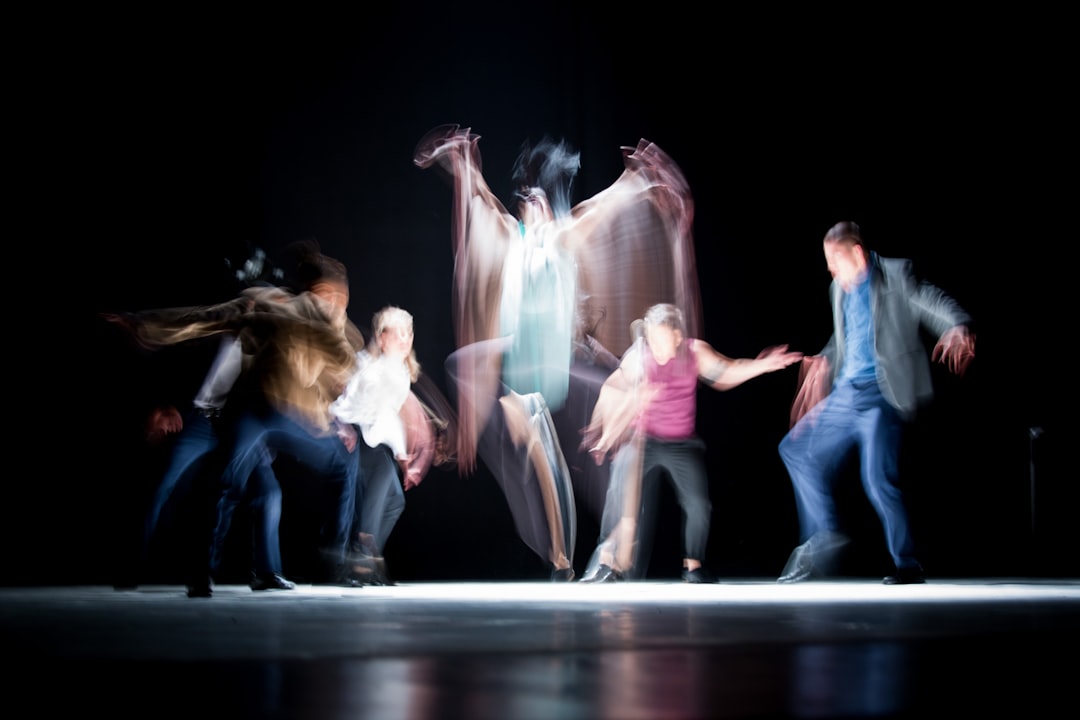
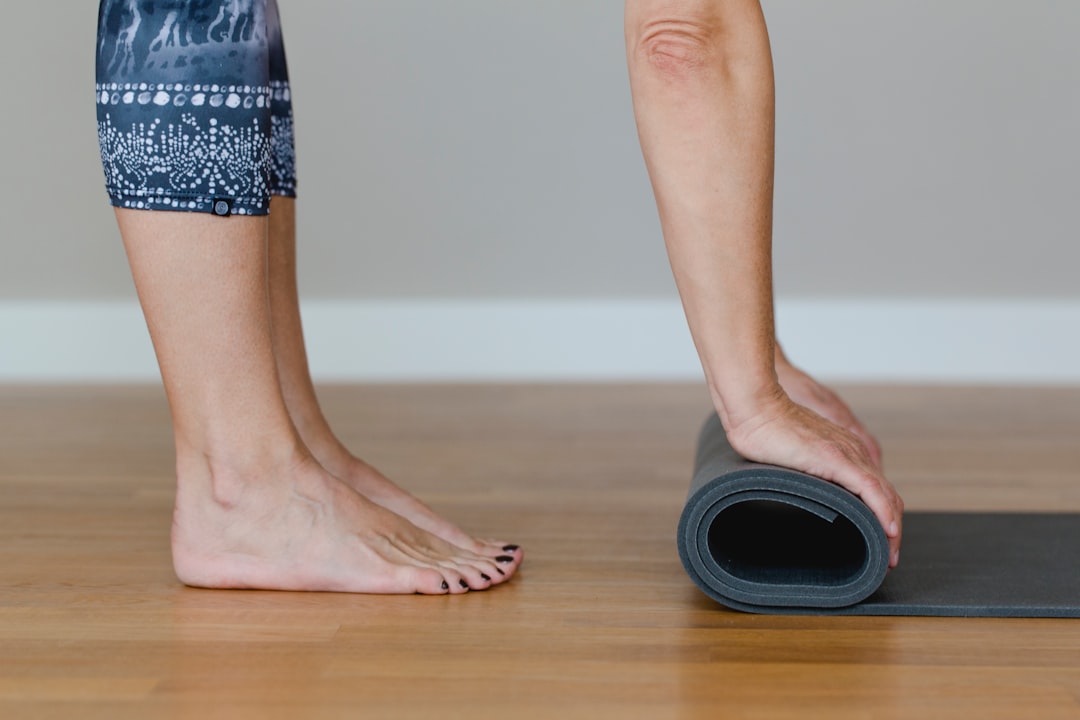
Photo by Ahmad Odeh on Unsplash
You stand in the studio doorway, hand on the frame, watching six people already stretching in the mirror. Your legs want to walk in. Your stomach wants to walk out. This is the exact moment a first dance class turns nervous beginners into people who never come back, or into people who show up week after week and eventually stop thinking about the door at all. The difference isn’t talent. It’s a handful of decisions you make before the music even starts.
Your nervousness is about the unknown, not your ability
Nobody walks into their first dance class worried about their actual dancing. They’re worried about the unknown: will the teacher call on me, will I look ridiculous, will everyone notice I don’t know the steps. That fear is about unpredictability, not skill.
Here’s what breaks the spell. The moment you watch the teacher demonstrate a combination and someone in the front row messes it up, twice, and the teacher just laughs and says "again, from the top", the room’s actual stakes reveal themselves. They’re low. Mistakes aren’t just tolerated in a beginner class. They’re the whole point. Once you see that in action, the fear has nothing left to attach to.
Arrive 10 minutes early to reset your nervous system
Walking into a room where twenty people are already moving, sweating, and warmed up puts you instantly behind and instantly watched. Your brain reads that as a threat before you’ve taken a single step.
Arrive early instead. Ten minutes gives you time to claim a spot on the floor, feel the room’s temperature, hear what the music sounds like, and watch the teacher set up cones or speakers or whatever the session needs. You’re not performing yet. You’re just a person in a room, adjusting. That adjustment period does more for your nerves than any pep talk.
Position yourself where you can see the teacher but not everyone
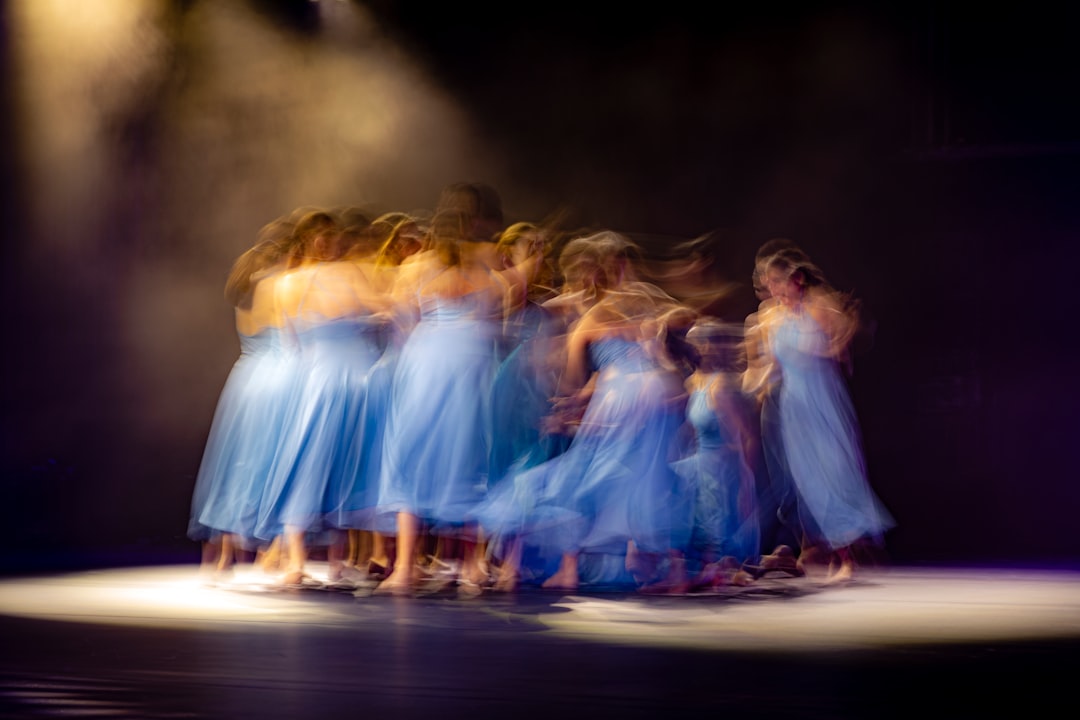
Front and center feels bold, but it puts your every fumble on display to the entire class. Standing dead last in the back row solves the exposure problem but creates a new one: you can’t see the teacher’s feet, and you spend the whole class guessing.
The fix is a back corner or a side angle. You get a clear sightline to follow instruction, but you’re not standing where twenty faces can watch you work through a new pattern. Self-consciousness eats up the mental bandwidth you need for actual learning. Position yourself so less of that bandwidth gets stolen.
Watch your feet more than the mirror in the first class
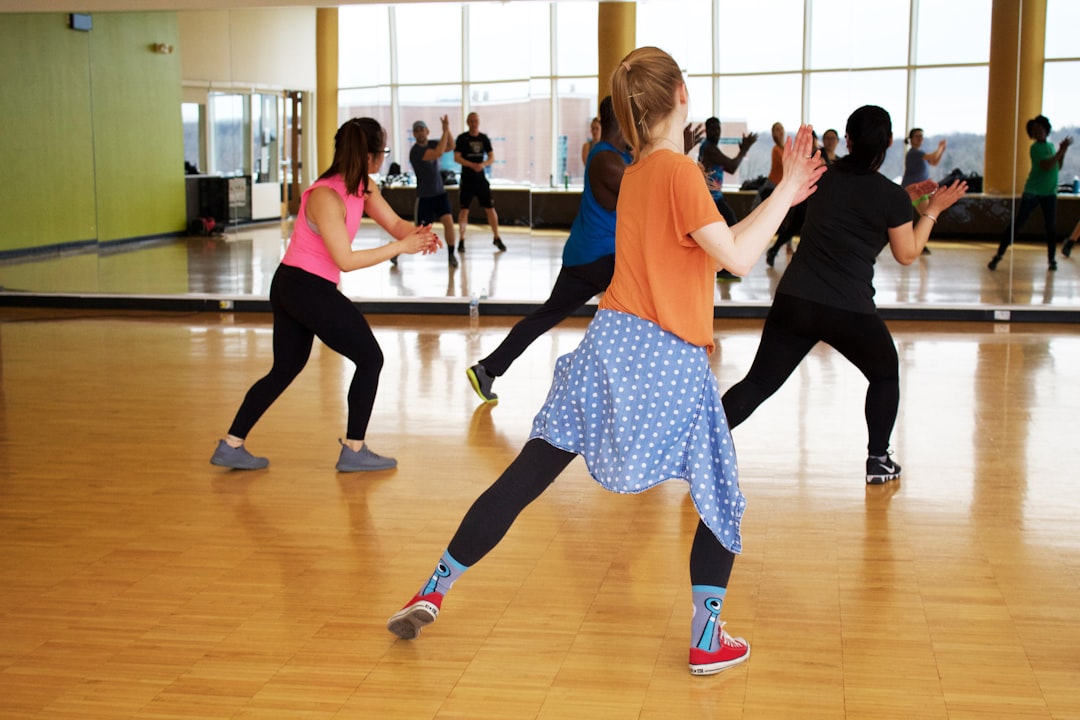
Studio mirrors exist to help you correct form later, once you already know the steps. In your first class, they mostly just hand you a live feed of your own mistakes, which your brain will interpret as proof you’re bad at this.
Watch your feet instead. Feel where your weight sits, notice the timing between steps, stay with the sensation of the movement rather than the sight of it. Coordination builds faster through feel than through visual self-judgment. Save the mirror for month two.
Tell the teacher you’re new before class starts
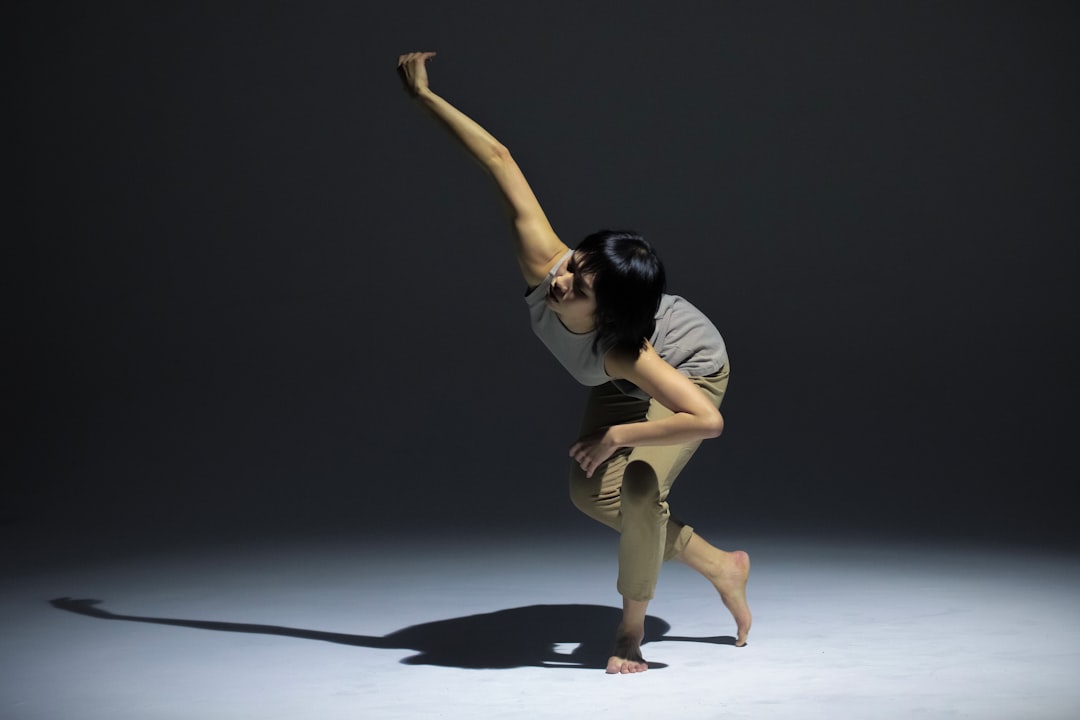
A two-second conversation before class changes the whole experience. "Hi, I’m new to this style, first class for me" tells the teacher exactly what they need to know. Most teachers will simplify their cues for you, keep an eye on your corner, and avoid singling you out mid-combination, because now they know you’re not ignoring instruction, you’re just new to it.
Skip that conversation and the teacher has no way to tell the difference between "new" and "not paying attention." That’s when you get called out in front of the room, which is the exact scenario your nervous system was bracing for.
Sit out one combination if your system overloads
Somewhere around the third or fourth combination, most beginners hit a wall: too many new steps, not enough time to process them, panic creeping in. This is normal, and it’s not a sign you’re failing.
Step to the side. Breathe. Watch the combination run two or three more times without trying to execute it. You will absorb more from clear observation than from panicked, half-right movement. Sitting out one round is not quitting. It’s pacing yourself so you can rejoin with your attention actually available.
Stay for three classes before deciding if it fits
The first class is always the hardest one, and that difficulty has nothing to do with whether the style or the teacher is right for you. It’s just what week one feels like, for everyone, every time.
By the third class, the room stops being unfamiliar. You recognize a few faces. The teacher knows your name. Your body has already started picking up patterns from the first two sessions, so the steps feel less foreign. That’s the point where you can actually judge fit, not the doorway moment from week one.
If you’re looking for a class low-pressure enough to try this approach, workshop listings on platforms like Wayfield often show class size and format up front, so you can pick a smaller session with more room to ease in rather than a packed studio class where corners are hard to find.
Find workshops near you at wayfield.app/workshops




Leave a Reply