
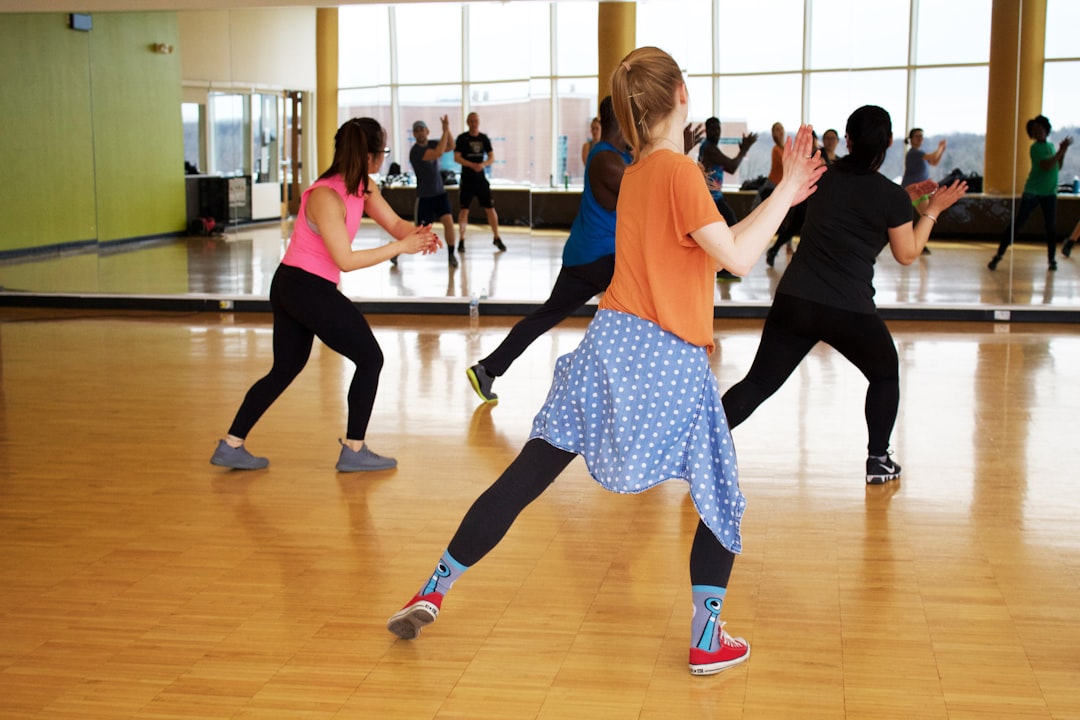
Photo by Christian Wiediger on Unsplash
You’ve got three months of shooting under your belt. A decent APS-C camera, a 50mm lens you actually like, and a folder of 4,000 photos, maybe 40 of which you’d show someone. You’re staring at a $650 landscape workshop listing in the mountains and asking the question every serious hobbyist eventually asks: photography course vs self-taught, which one actually gets you better photos faster?
The honest answer isn’t either/or. But most people decide based on cost alone, and that’s the wrong metric. Here’s how to think about it properly.
What Self-Teaching Actually Demands
Self-teaching sounds free. It isn’t. It costs you structure, and structure is the thing most people can’t build for themselves.
Teaching yourself photography means you become the curriculum designer, the critic, and the student at once. You decide what to learn (aperture priority this week, manual mode next?), find resources that aren’t garbage, and stay consistent without anyone checking your work. Most people manage about three weeks before momentum dies.
Realistically, expect 6 to 12 months of slow, uneven progress if you’re going it alone. You’ll nail exposure faster than composition. You’ll shoot 200 frames at golden hour and get four keepers, and you won’t know why the other 196 didn’t work because nobody’s telling you. That’s not a failure of effort. It’s the natural ceiling of learning without feedback.
What a Course Gives You That Solo Work Doesn’t
A course compresses time. That’s the entire value proposition.
A leader who’s shot a thousand sunrises at your target location already knows the ND filter you need for that waterfall, the exact minute golden hour turns from usable to blown out, and the composition mistake every beginner makes at that overlook. You get that knowledge on day one instead of discovering it across six failed attempts over four months.
You also get feedback on your actual work, not generic tutorials. Someone looks at your image, tells you the horizon’s tilted two degrees and your foreground is competing with your subject, and shows you the fix on the spot. Peer photographers at your skill level shooting the same scene give you comparison points self-teaching never provides. Real deadlines (submit your edited set by Sunday) create accountability solo practice lacks entirely.
The Cost Calculation That Matters
A 2-day photography workshop runs $400 to $800. That number scares people off before they do the actual math.
Self-teaching isn’t free, it’s paid in time instead of dollars. Add up the hours: researching which tripod head to buy, watching editing tutorials that don’t apply to your camera, reshooting a location three times because you didn’t understand light direction the first time. Twenty, thirty, forty hours easily, spread across months.
Now calculate your hourly value, whatever you’d charge a client or earn at your day job. Even at $30 an hour, forty hours of trial-and-error costs $1,200 in time you won’t get back. A $600 workshop that hands you six months of hard-won lessons in two days isn’t expensive. It pays for itself within weeks, not because the course is magic, but because it eliminates the dead-end paths you’d otherwise wander into alone.
When Self-Teaching Makes Sense
Self-teaching works well in specific conditions, and it’s worth being honest about when those apply to you.
You’re already shooting weekly with a body of consistent work. You want to go deep on one narrow technique, long exposure seascapes, say, rather than build broad foundational skill. You’ve got an informal mentor, a friend who shoots professionally and reviews your images over coffee once a month. In those cases, self-teaching with some external input works fine.
Pure self-teaching, with zero outside eyes on your work, rarely produces strong results. Even experienced photographers picking up a new genre (street photography after years in the studio) usually seek out a workshop or mentor for that specific pivot.
The Hybrid Path (Best for Most)
The strongest approach for most people isn’t a binary choice. It’s sequencing.
Take a focused workshop first, a weekend portrait intensive, a three-day landscape retreat, something with clear scope. Build foundational skill and technical fluency there. Meet photographers doing the work you admire; that network often outlasts the course itself. Then self-teach around that foundation, applying what you learned to your own projects, your own locations, your own pace.
This gets you structure without dependency and autonomy without isolation. You’re not stuck re-learning the same lessons through trial and error, and you’re not paying for course after course when independent practice would serve you just as well.
How to Choose the Right Course Format
Not all courses solve the same problem, so match the format to your actual need.
Single-session workshops (a Saturday morning shoot, a half-day macro session) suit people testing a new area before committing further. Multi-week courses suit people who’ve decided photography deserves real investment and want depth over several sessions. Intensive retreats, three to five days fully immersed, suit people who can block real time and want total focus plus the peer accountability that comes from shooting alongside the same group daily.
A platform like Wayfield lists workshops by format and session structure, which makes it easier to filter for this before you commit to a date and a deposit.
Questions to Ask Before You Commit
Before you register, get specific answers to four questions. Who’s actually leading the sessions, and what’s their working background, not just their Instagram following? How much direct, individual feedback will you get on your own images, versus generic group instruction? What’s the participant-to-leader ratio; six to one gets you real attention, twenty to one doesn’t. And what happens after the course ends: continued access to the leader, an alumni community, a way to keep the momentum going?
These four questions separate a course built to actually teach from a content dump wearing a workshop’s price tag.
Find workshops near you at wayfield.app/workshops.
Partner Spotlight · PHOTOROOM
Most self-taught photographers hit a wall around month four: you've nailed composition and light, but post-processing eats hours. Photoroom solves that specific friction by handling the technical cleanup work—background removal, color correction, product staging—in seconds rather than spending your evening in Lightroom. If you're weighing a formal course against learning solo, factor in what Photoroom handles so you can spend your actual study time on the creative decisions that matter. Check out their app to see what automated editing can do for your workflow. Learn more →
Recommended Resources
Photography Gear
Article mentions tripod decision-making as time sink in self-teaching; Peak Design is industry standard for landscape work
Photography Filters
Article specifically calls out ND filters for waterfall photography as knowledge a course instructor provides
Photo Editing Software
Article mentions editing tutorials as time-intensive part of self-teaching; Lightroom is standard for landscape workflow
As an Amazon Associate, Wayfield earns from qualifying purchases. Clicking and buying through these links supports this content at no extra cost to you.





Leave a Reply