
Photo by Margarida Afonso on Unsplash
A first time crochet group session runs on unspoken rules nobody emails you before you arrive. You don’t know if you should bring your own yarn or if the leader supplies it. You don’t know if "beginner friendly" means zero experience or just zero attitude. That uncertainty is normal, and it’s fixable with about thirty minutes of prep the week before your session.
Know what level you’re actually at
Be honest about where your skills sit before you register. A group labeled "beginner" usually means participants have never held a hook. "Intermediate" assumes you’ve finished at least one project, maybe a dishcloth or a granny square, and know the difference between single crochet and double crochet without looking it up. If you sign up for intermediate because the beginner slot was full, you’ll spend the session lost while the leader moves through terms you don’t recognize. Email the leader directly if the listing is vague. Most will tell you straight: "this group assumes you can chain and turn a row."
Bring the right yarn and hook size
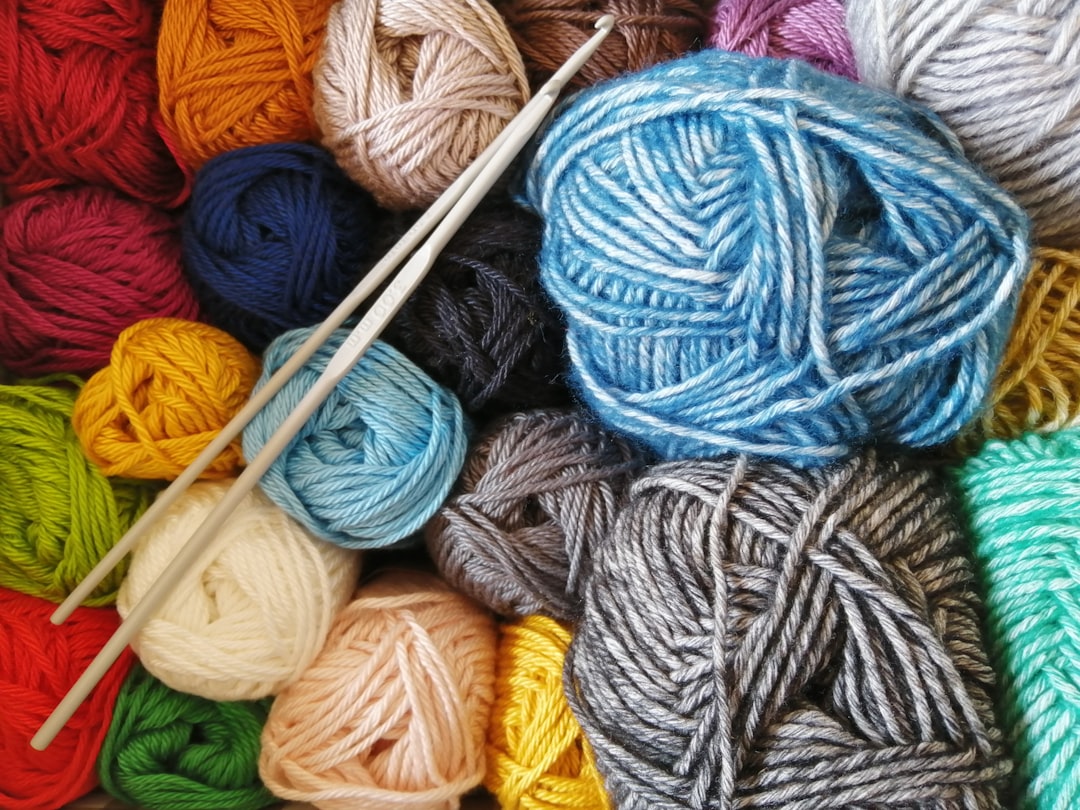
Check the session details for the yarn weight and hook size before you shop. A worsted weight yarn (labeled #4 on the skein) usually pairs with a 5.0mm or 5.5mm hook. Bring a size smaller and a size larger than what’s listed, because tension varies person to person, and the leader may adjust the group’s hook size once everyone’s swatch comes out too tight or too loose. Pack an extra skein too. Dropped stitches and restarts happen constantly in a first session, and running out of yarn twenty minutes in means you spend the rest of the time watching instead of working.
Show up with finished basics, not questions
If you’re brand new, learn the chain stitch and single crochet before you walk in. Ten minutes with a video tutorial the night before saves the leader from teaching fundamentals one-on-one while six other people wait. Session listings on platforms like Wayfield often note the group skill target directly, so you can match your prep to what the leader plans to teach that day. The goal isn’t to arrive polished. It’s to arrive able to keep pace once the group starts the actual project.
Arrive early to settle in
Get there ten minutes before start time. That window lets you find a seat with decent light, get your yarn and hook untangled from your bag, and have a quick word with the leader about anything specific you’re hoping to learn. Walking in right at the start time means you’re still setting up while everyone else has already begun, and you lose the chance for that one-on-one check-in that makes the rest of the session easier.
Bring a notebook for stitch counts and patterns
Write down row numbers, color changes, and any adjustments the leader calls out. A session leader might say "increase two stitches at the start of row 12" and expect you to remember that at row 40. You won’t. Bring a small notebook, not your phone, since flipping through notes app screens mid-stitch breaks your rhythm more than glancing at a page. Those notes become your reference between meetings, especially if you’re working the project at home during the week.
Expect to learn at the group’s pace, not your own
A group session moves as one unit, not as twelve individual lessons. If you’re catching on faster than the room, use the extra time to help the person next to you instead of pulling ahead on your own project. If you’re slower, ask the leader what to practice before the next meeting rather than trying to catch up mid-session. Both approaches keep the group moving together, and both make you someone the leader wants back next time.
Commit to at least three sessions before deciding
The first session of any group feels stiff. You don’t know names, you don’t know the leader’s teaching style, and you’re focused on not dropping stitches in front of strangers. By the third session, that awkwardness is mostly gone. You recognize faces, you’ve picked up the leader’s shorthand for common mistakes, and you know whether this particular teaching style actually works for how you learn. Quitting after one rough session tells you nothing. Quitting after three tells you something real.
A first time crochet group session is easier to walk into once you know what to pack, what to expect, and how long to give it before you judge whether it’s a fit. Find workshops near you at wayfield.app/workshops.
Recommended Resources
crochet hooks
Article recommends bringing multiple hook sizes to accommodate tension variation; a hook set covers the range needed.
yarn
Article specifies worsted weight as the standard for beginner groups; multiple skeins align with the recommendation to bring extras.
notebooks
Article emphasizes writing down stitch counts and pattern notes during sessions; a pocket-sized notebook is portable and unobtrusive.
As an Amazon Associate, Wayfield earns from qualifying purchases. Clicking and buying through these links supports this content at no extra cost to you.




Leave a Reply