
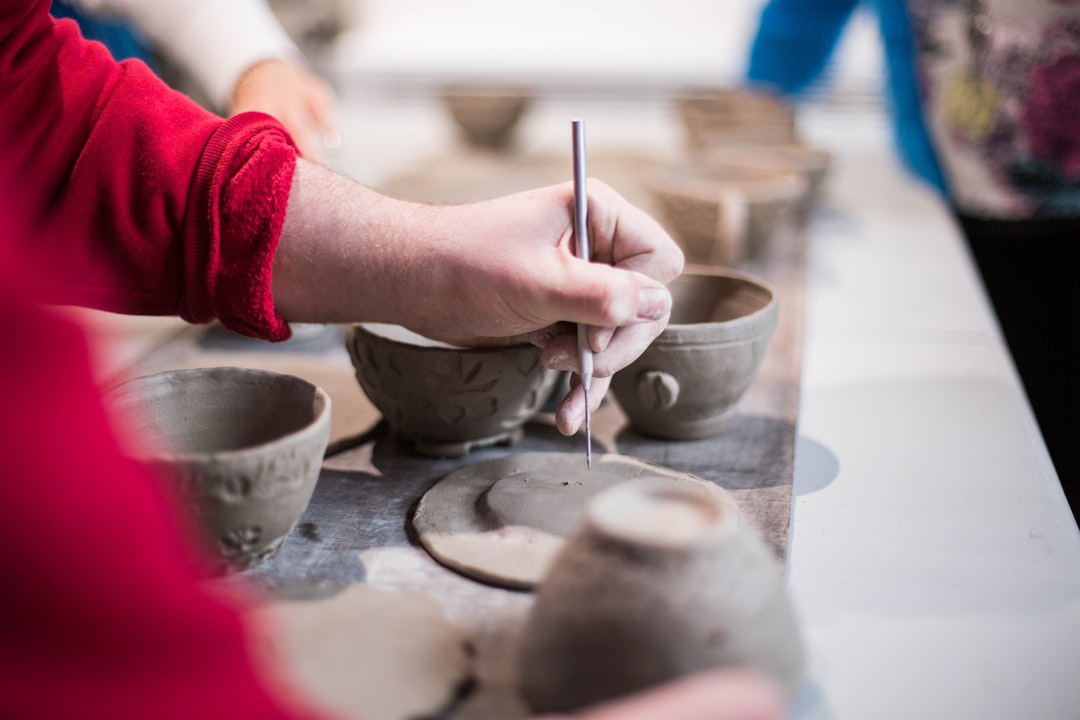
Photo by Andy Kelly on Unsplash
A student who throws one wobbly cylinder in a two-hour intro class doesn’t come back. A student who throws four cylinders across a month, keeps the best one, and picks it up glazed and fired three weeks later? That student is asking about your next session before they’ve paid for this one. The difference isn’t talent. It’s structure. A 4 week pottery class curriculum gives clay the time it actually needs, and gives you, the organizer, a repeatable format that turns one-time registrations into recurring income.
Why Four Weeks Works for Pottery (and What Fails in Shorter Formats)
Clay doesn’t compress. Centering on the wheel takes most beginners three or four honest attempts before their hands understand what "centered" feels like, not what it looks like. A single 90-minute workshop gets someone one attempt, maybe two. They leave with a lopsided bowl and a story about how pottery "isn’t for them."
Four weeks solves this without turning into a semester-long commitment. Students throw on the wheel at least twice, which means they fail once and improve once. That improvement is the entire sales pitch for your next class. Longer formats, eight or twelve weeks, sound thorough, but they create scheduling friction that kills side-income workshops. Participants juggling jobs and families can commit to four Tuesday nights. Ask for eight and your enrollment drops by half before the first session starts.
Week 1: Hand-Building and Clay Literacy
Skip the wheel entirely in week one. Start with pinch pots, coil forms, and slab construction. This removes the intimidation of a spinning wheel and lets students build a physical relationship with the material first: how wet clay behaves, where it cracks, how much pressure collapses a wall versus shapes it.
End the session with one finished piece, glazed and ready for the kiln. A student who leaves week one with nothing tangible questions whether they’ll finish the course. A student holding a lumpy but glazed pinch pot has proof they’re already making things. That’s the hook that gets them to week two.
Week 2: Wheel Throwing Foundations
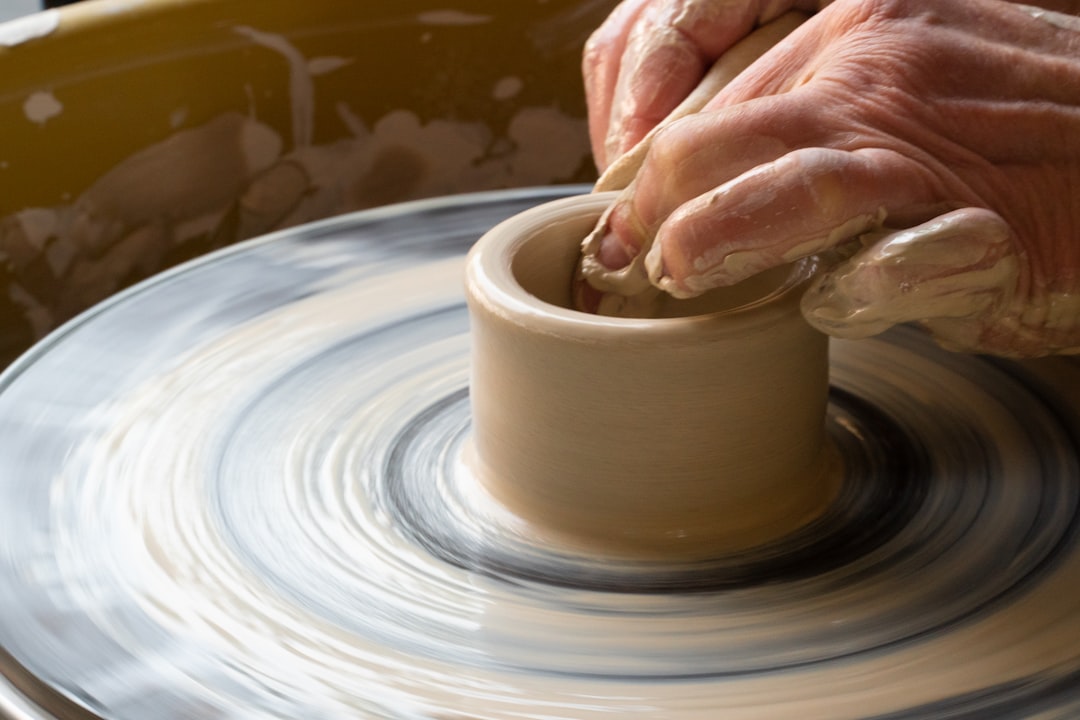
Now introduce the wheel. Cover centering and basic cylinder forms, and set expectations early: most of what gets thrown today will get recycled into the reclaim bucket. Frame that out loud, because unspoken failure reads as personal failure, and spoken failure reads as process.
Budget for three to four throwing attempts per student, with one selected to trim and keep. Momentum matters more than precision in week two. A student who throws four mediocre cylinders and picks the best one learns more about centering than one who spends the whole session trying to perfect a single piece.
Week 3: Refining Forms and Adding Details
Students throw again, and the difference from week two is visible immediately. Cylinders come out straighter, walls come out thinner, and centering takes half the time it did seven days earlier.
Once the base form is solid, add rims, handles, or carved details. This is also glazing day. Give students three or four glaze options rather than ten; too many decisions slow the session and eat into throwing time. Confidence peaks in week three. Students see their own improvement in real time, which is the strongest motivator you have for pushing them toward your next curriculum cycle.
Week 4: Finishing and Fired-Piece Review
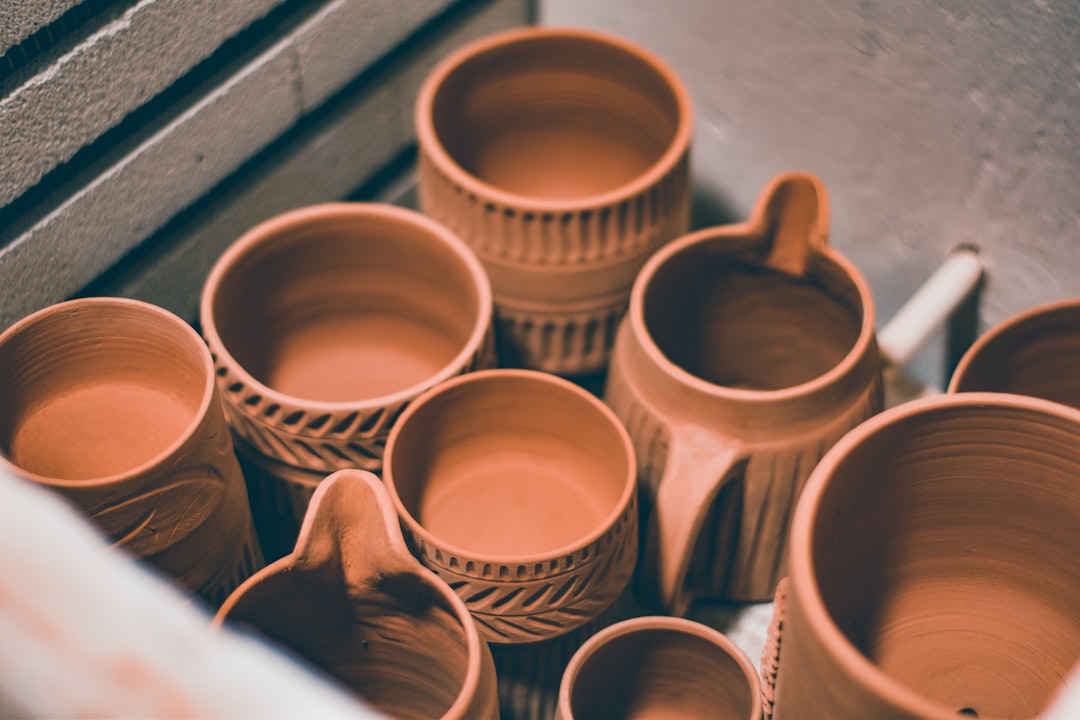
Fired pieces should be ready at the start of week four, not the end. Students need to hold the finished, glazed result before the final session wraps up, not after they’ve already left and mentally closed the loop on the class.
Use the back half of week four for troubleshooting: why one glaze pulled thin, why one handle cracked at the joint, what advanced technique (trimming feet, altering forms, throwing off the hump) comes next. This is also where you announce your next session date. Don’t wait for a follow-up email. A student holding a fired mug they made themselves, hearing the next class starts in three weeks, signs up on the spot far more often than a student who gets that same pitch by email five days later.
Pricing and Commitment: Making Repeat Enrollment Stick
Price a 4 week pottery class curriculum at $180 to $240 total, or roughly $45 to $60 per session. That range covers clay, glaze, and kiln costs while staying accessible for someone testing out a new hobby rather than committing to a full studio membership.
The repeat-enrollment moment happens in week four, not after. Announce the next session’s date live, in the room, while students are holding fired proof that the format works. Offer a modest discount for back-to-back enrollment, something like $320 for two consecutive sessions instead of $360 separately. That $40 discount costs you little and removes the hesitation of a second full-price decision.
A registration system that tracks who’s already enrolled and flags them for the discount automatically saves you from doing that math by hand every cycle. Wayfield’s session tools handle this kind of returning-student tracking, so the discount applies without extra spreadsheet work on your end.
The No-Show Problem and Your Margin
One empty seat barely dents your costs. Clay’s already wedged, the kiln’s already scheduled, the glaze station’s already set up. But three empty seats out of eight? That’s a session running at a loss, because your studio rental and materials cost didn’t shrink to match.
Set a 48-hour cancellation window and require a deposit equal to one session’s fee at registration. This isn’t about punishing students. It’s about making the cost of no-showing real enough that people plan around it. Deposits also filter for serious registrants over casual browsers, which means your roster on week one is closer to your roster on week four.
Run this curriculum through two or three cycles and the pattern becomes obvious: students who finish with a fired piece in hand come back, and students who come back bring friends. The four-week structure isn’t just a teaching schedule. It’s your enrollment engine.
Start your first workshop free at wayfield.app/getting-started, no credit card required.
Recommended Resources
pottery tools
Essential for week 2 and 3 trimming work after students throw cylinders.
Quickly cuts failed throws for recycling; essential for managing week 2 and 3 materials.
pottery clay
Week 1 hand-building requires bulk clay for pinch pots and slab work across 4-6 students.
pottery equipment
Speeds up week 1 slab preparation and ensures uniform thickness for student projects.
As an Amazon Associate, Wayfield earns from qualifying purchases. Clicking and buying through these links supports this content at no extra cost to you.





Leave a Reply