
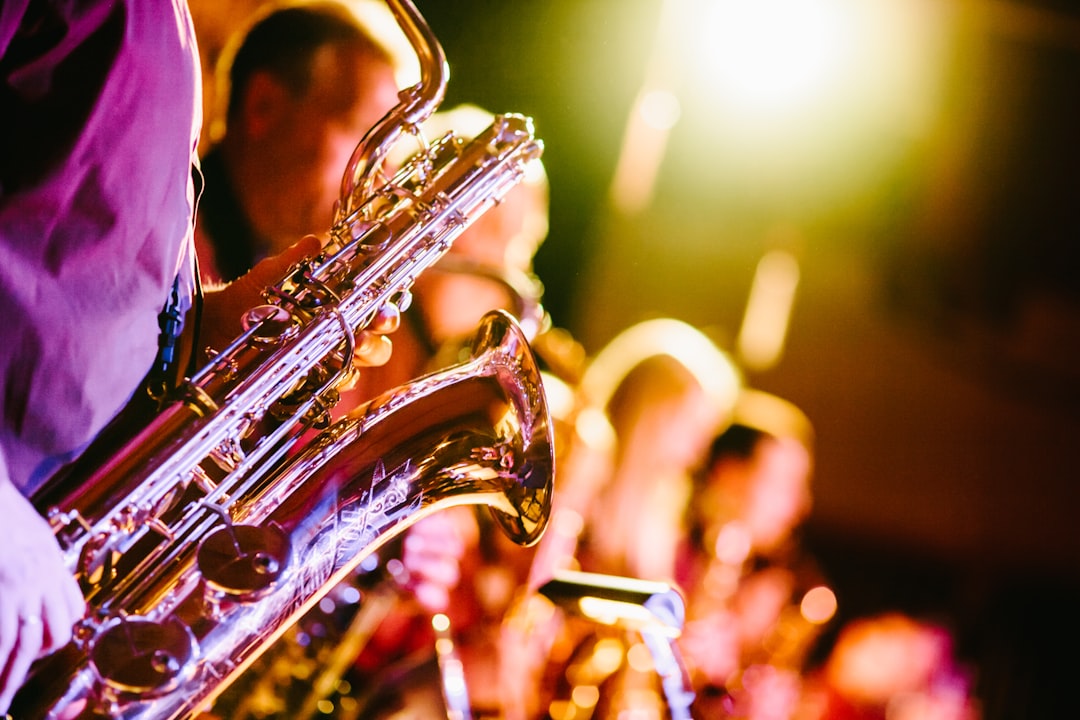
Photo by Jens Thekkeveettil on Unsplash
You’ve watched three friends post about a weekend drum circle or a jazz improv intensive, and each time you thought: I’d love that, but I’ve never played anything in my life. That hesitation is the single biggest reason capable, curious people never sign up. A music workshop with no experience required isn’t a marketing gimmick. It’s the actual design of most beginner-facing programs, and the gap between what you assume and what actually happens is bigger than you think.
What actually happens in a music workshop when you’re starting out
Drop into a beginner ukulele workshop in a community arts space and you’ll find eight people, most holding an instrument for the first time, working through three chords for forty minutes. Nobody’s performing. Everybody’s fumbling the same F chord at the same moment, which is exactly the point.
Workshops split roughly into two shapes: group sessions built around a shared instrument or genre (a six-person hand drum circle, a twelve-person a cappella harmony workshop), and one-on-one or small-mentorship formats where a leader works closely with two or three participants at a time. Beginner group sessions run on repetition and permission to mess up in public. A leader might spend the first fifteen minutes just on how to hold a guitar pick before anyone plays a note. That’s not remedial. That’s the curriculum.
How to choose a workshop that matches your actual skill level
Leader bios tell you more than the workshop title does. "Beginner-friendly" and "no music reading required" are specific signals, not filler. If a description says "intermediate" or lists techniques you don’t recognize (drop-D tuning, modal improvisation, sight-singing), that workshop assumes background you don’t have yet.
When the listing is vague, message the leader directly. Ask two things: what happens in the first thirty minutes, and will a total beginner feel lost by minute forty-five. A leader running a genuinely beginner-friendly session will answer fast and specifically, something like "we start with rhythm clapping, no instruments until minute twenty." A leader who hedges or gives a generic answer is a signal to keep looking.
What to bring and how to prepare
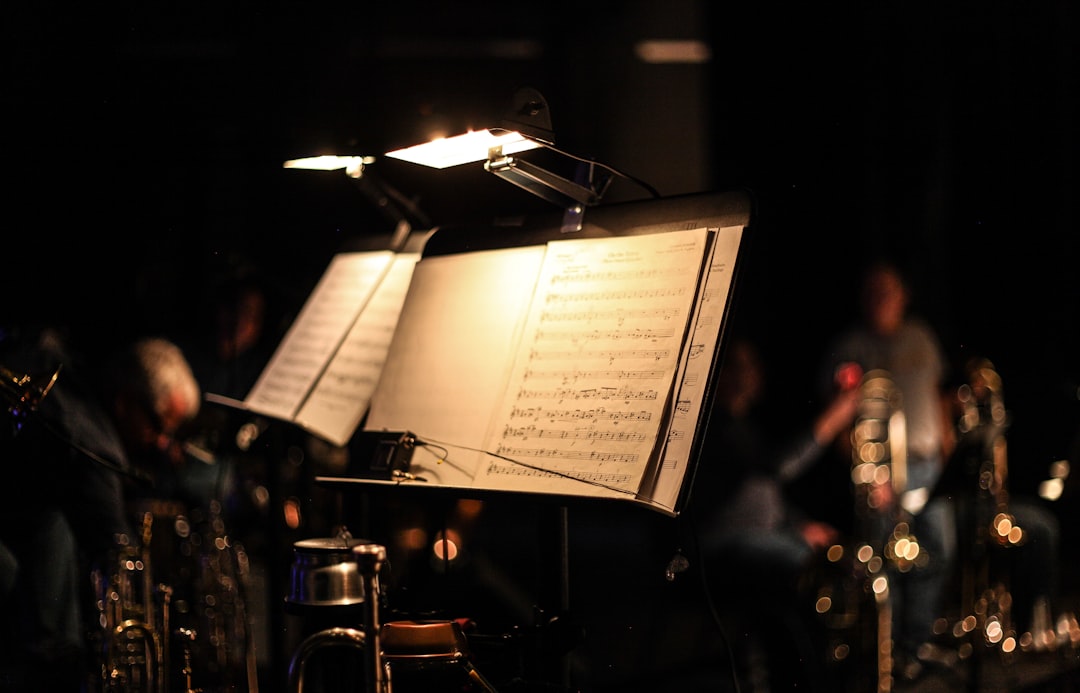
Most beginner workshops handle the instrument problem for you. A percussion workshop supplies djembes. A voice workshop needs nothing but you. Check the materials list on the registration page first; if it says "bring your own guitar," many organizers still keep a couple of loaners on hand, so ask before assuming you’re locked out.
Arrive ten minutes early. Not to look eager, but because the first few minutes of a beginner session are usually informal, and that’s when you’ll get quiet answers to dumb questions before the group starts. Wear something you can move in, especially for rhythm-based or body-percussion formats where you’ll be standing, swaying, or tapping your foot for an hour straight.
Three questions to ask before registering
Ask whether the format is group-based or one-on-one. A twenty-person group workshop and a three-person mentorship session teach the same skill at a completely different pace, and you want to know which one you’re walking into.
Ask if you need to read music. Plenty of excellent workshops, especially in folk, blues, and improvisation-based genres, teach entirely by ear. If reading notation isn’t required, that removes a huge chunk of the intimidation.
Ask what the ratio of playing time to instruction looks like. A two-hour workshop that’s ninety minutes of lecture and thirty minutes of playing will frustrate someone who wants hands-on time. Twenty minutes of instruction followed by a hundred minutes of guided playing is a different experience entirely, even if both get called "beginner workshops."
Why your lack of experience is not a barrier
Leaders who run beginner sessions build the entire structure around having zero prior knowledge in the room. They’ve done this with hundreds of people who’ve never touched an instrument. Your inexperience isn’t a problem they’re managing around; it’s the baseline they’re designing for.
What actually slows people down isn’t lack of skill. It’s perfectionism. The participant who apologizes for missing a beat learns slower than the one who laughs and keeps going. Curiosity and a willingness to sound bad for twenty minutes beat six months of half-hearted YouTube tutorials every time.
Finding music workshops without endless searching
Searching by instrument, duration, and location narrows things fast, and reading reviews from actual past participants tells you more than any leader bio. Look for comments that mention pacing ("went slow enough for a first-timer") over comments that just praise the leader’s talent.
On Wayfield, workshops list session details, leader background, and participant capacity up front, so you can filter for beginner-tagged sessions in your area before committing. If a session you want is full, join the waitlist. Cancellations happen in the final week before a workshop starts, and organizers usually pull from the waitlist within a day or two of an opening.
What to expect after your first workshop
Walk out of your first session and you’ll know something concrete: maybe rhythm clicked but melody didn’t, or maybe you loved the group energy more than the instrument itself. That clarity is the actual return on a first workshop, more useful than any single skill you picked up.
A lot of people repeat the same format with a different leader to compare teaching styles. Others use that first workshop to figure out whether they want a longer course or private lessons next. Either path starts from the same place: showing up once with no experience and finding out it was never the obstacle you thought it was.
Find workshops near you at wayfield.app/workshops.
Recommended Resources
ukuleles
The article uses a beginner ukulele workshop as the primary example of what happens in a no-experience music workshop.
guitar picks
The article mentions that instructors spend time teaching proper grip technique, indicating picks are essential for beginners.
hand drums
Djembes are explicitly mentioned as the hand percussion instrument provided in beginner percussion workshops.
As an Amazon Associate, Wayfield earns from qualifying purchases. Links above are affiliate links — clicking them and buying supports this content at no extra cost to you.




Leave a Reply