
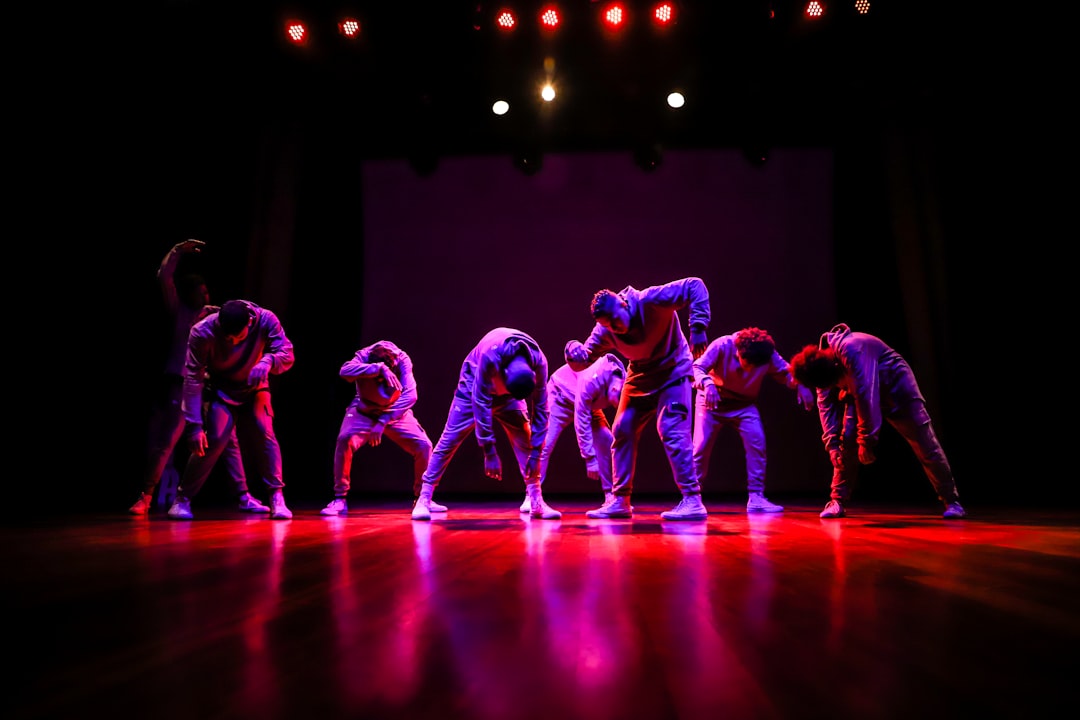
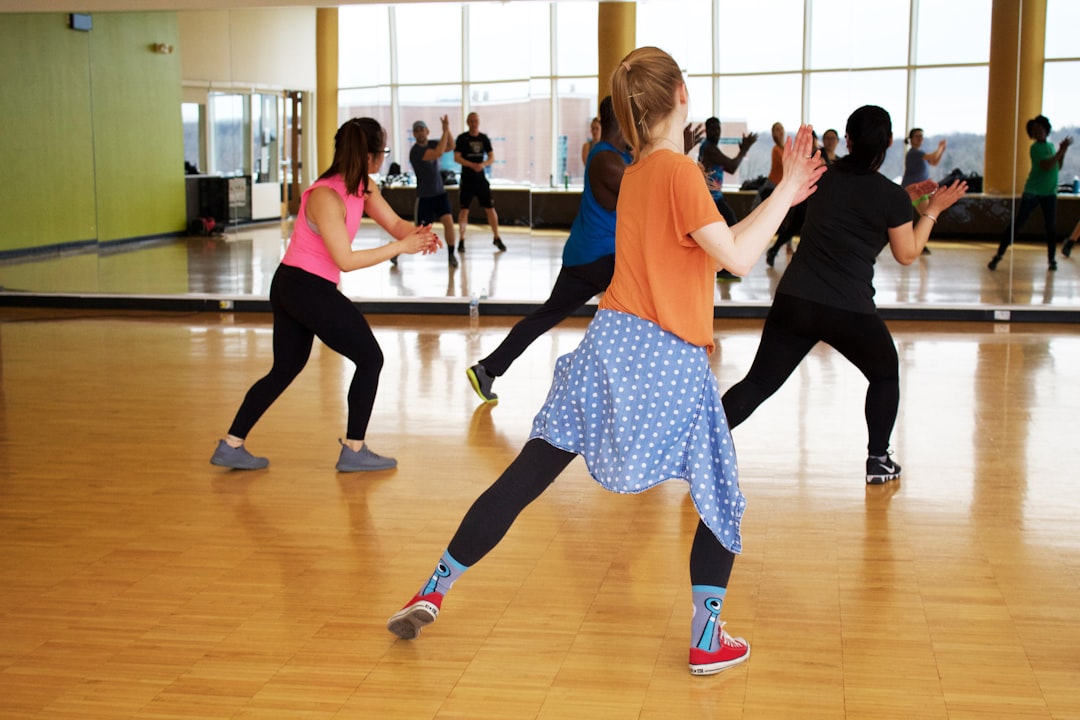
Photo by Maick Maciel on Unsplash
You show up ten minutes early, stand near the door, and watch three people in the front row hit a turn combination perfectly. Your stomach drops. You start doing the math on how fast you can leave before anyone notices you came in at all. This is the exact moment most beginners talk themselves out of the room, and it’s also the moment that decides whether you’ll come back for class two.
Here’s what actually helps: knowing what to expect before you walk in, understanding what instructors are watching for, and having a plan for the inevitable moment you’re two counts behind everyone else. These first dance class tips come from what actually works in the room, not from generic pep talks about bravery.
What to wear matters less than what you can move in
Skip the oversized hoodie. Instructors need to see your knees bend, your hips shift, your shoulders drop. A loose t-shirt over baggy sweatpants hides all of that, which means you miss corrections meant specifically for you.
Fitted leggings and a tank top work for most styles. If the studio lists specific footwear (jazz shoes, ballet flats, socks only on a sprung floor), bring exactly that plus your street shoes for the walk in. Showing up in running shoes to a ballroom class marks you as unprepared before you’ve said a word.
Arrive 10 minutes early to find your spot
Walking in at the start time means grabbing whatever floor space is left, usually the worst spot in the room. Arriving ten minutes early gets you a real choice, plus a few minutes to let your body adjust to the temperature (studios run either freezing or humid, rarely in between).
Early arrival also means you’re not sprinting through the door as the instructor calls the class to attention, which is its own small stress you can just skip.
Tell the instructor you’re new
One sentence, said before class starts: "first class for me, just so you know." That’s it. Instructors hear this constantly and most of them actively want it, because it changes how they watch you. They’ll cue modifications your direction, check your form more closely, and won’t assume you already know the shorthand terms they use for combinations.
Skipping this step means the instructor teaches to the room average, and you spend the hour guessing at vocabulary everyone else already has.
Pick a spot where you can see the instructor and the mirror
Don’t stand directly behind someone tall, and don’t stand dead center in the front row either. An angled position, off to one side, two or three rows back, lets you catch the instructor’s full-body movement and glance at your own reflection without whipping your head back and forth. That single adjustment fixes more form issues than any tip about pointing your toes.
Your body needs three classes to find the rhythm
Class one feels like trying to read a language you don’t speak yet while walking on uneven ground. That’s normal, not a signal you’re bad at this. By class two, you start catching the counts, recognizing that eight counts means the combination resets. By class three, your feet start moving before your brain finishes the instruction, which is the actual beginning of learning choreography.
Most people quit after class one, right when the disorientation is at its peak and before the payoff shows up. Commit to three sessions before you decide whether the style or the instructor is a fit.
Bring water and expect to sweat more than you think
Dance heats your body faster than most people expect, even in a 45-minute beginner class. Set a water bottle at the edge of the floor, not across the room in a bag. It gives you a built-in pause point between combinations and keeps you from getting lightheaded twenty minutes in, which is when new dancers usually hit a wall.
Ask about the class structure before you register
A technique class drills fundamentals repeatedly, a choreography class builds a routine over several weeks, and an improvisation class throws you into movement with almost no set steps at all. Registering for the wrong one creates a mismatch that has nothing to do with your ability and everything to do with expectations.
Before you book, check the class description for these terms specifically. Some studios and independent instructors run their registration through a platform like Wayfield, where the session details, including format and any prerequisites, show up clearly before you commit. That five-minute check before registering saves you from sitting through six weeks of choreography when what you actually wanted was open technique practice.
The nerves before a first class are real, but they’re rarely about your actual ability to move. They’re about not knowing what to expect. Once you know the room, the pacing, and the fact that everyone in that class once stood exactly where you’re standing now, the only thing left to do is show up.
Start free on Wayfield, no credit card required.
Partner Spotlight · K&K Insurance
Most workshop organizers skip insurance until something goes wrong. K&K Insurance handles event and liability coverage specifically for workshops and retreats, so you're protected if a participant gets injured during class or a session gets canceled unexpectedly. Their policies are straightforward and priced for small workshops, not corporate conferences. If you're running dance classes or any hands-on workshop, check their coverage options at kandkinsurance.com/?ref=wayfield. Learn more →
Recommended Resources





Leave a Reply