
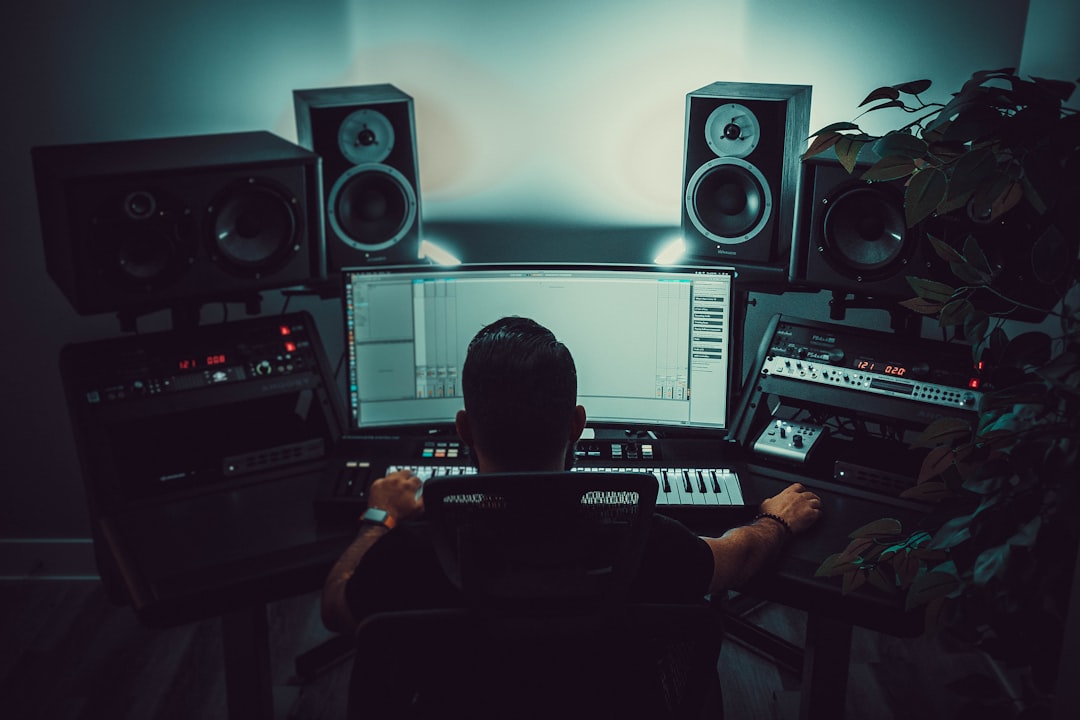
A producer with six years of studio experience posts an 8-hour beat-making course on Skillshare. It gets 4,000 enrollments in its first year. Skillshare pays out $1,800 total, split across a payout pool of thousands of similar courses. Meanwhile a live cohort of 12 students, run once, charging $250 each, generates $3,000 in a single weekend. Same skill set. Different math.
The difference is not talent. It’s structure. Online beat-making workshops that try to out-produce Skillshare on price and volume will lose. Structure them around live feedback and small cohorts, and the economics flip.
Why Skillshare’s Model Doesn’t Work for Your Workshop
Skillshare takes roughly 50% of whatever a course earns through its payout system, and it has spent a decade training students to expect $15-a-month access to unlimited content. You cannot beat that price. Nobody can, and trying to compete on cost puts you in a race you’re guaranteed to lose.
Here’s what Skillshare cannot offer: a producer looking at your actual 808 pattern and telling you the low end is masking your kick. It cannot run an ear-training drill where six students identify chord voicings in real time and get corrected on the spot. Prerecorded video is good at demonstration. It’s useless at diagnosis.
Your workshop competes on depth, live critique, and a small group of people working on the same problem together. That’s a different product, and it justifies a different price.
Pricing Structure: Depth-Based Tiers Instead of One Price Point
Skillshare has one price for everyone. You should have three.
Group cohort: $197 to $297 for a 6-week run, capped at 15 participants. This is your volume tier, built for producers who want structure and community more than individual attention.
Small intensive: $497 for a focused 2-day session, capped at 6 people. Think sample-chopping deep dives or a mixing bootcamp where everyone brings a stem session and leaves with a finished track.
1-on-1 feedback: $99 to $149 per session, for producers who want their track torn apart and rebuilt with someone watching over their shoulder.
Each tier earns its price through the same mechanism: live interaction. A $250 cohort seat buys six weeks of weekly critique. A $500 intensive buys two days of concentrated, in-person problem-solving. Nobody pays $500 to watch a video they could get for $15. They pay $500 for you to listen to their 4-bar loop and tell them exactly why it doesn’t hit.
Session Design: Live Critique Changes Everything
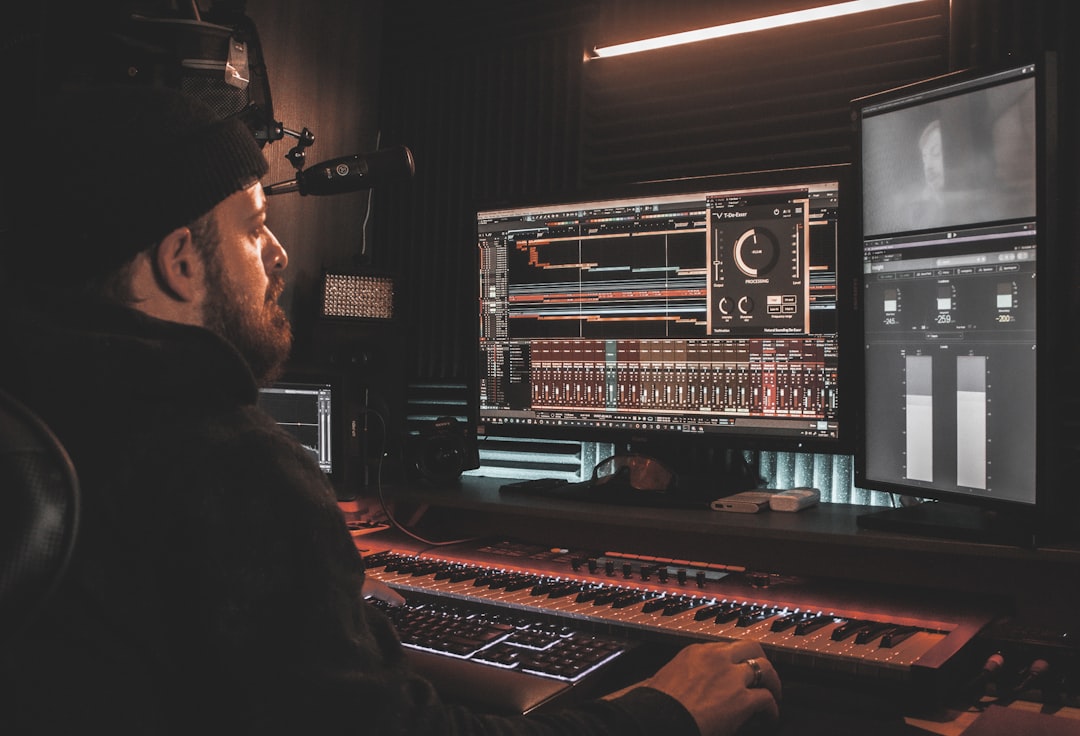
Record your fundamentals once. Chord theory, drum programming basics, sample clearance rules; put all of that in a reference library students access on their own time. That’s the part Skillshare already does well, so don’t compete there.
Spend your live sessions, 90 minutes weekly at minimum, on the things that require a human in the room. Playback critique: a student shares their beat, the group listens, you break down what’s working and what’s flat. Q&A on the specific problem they’re stuck on this week. Ear-training exercises where students guess the sample source or identify the key.
A prerecorded course cannot listen to a student’s mix and say "your hi-hats are 3dB too loud and it’s killing the vocal pocket." That single sentence, delivered live, is worth more than four hours of generic tutorial content. Build your sessions around delivering that sentence, over and over, to a room of people paying for it.
Capacity Constraints Are Your Pricing Tool
Skillshare has unlimited seats because its economics depend on volume. Yours depend on the opposite.
Cap live cohorts at 12 to 15 people. Below 12, group critique gets thin, there aren’t enough beats to compare against each other. Above 15, you can’t give everyone real feedback in 90 minutes, and the quality that justifies your price starts to erode.
A hard cap does something else: it creates a waitlist. Once a cohort fills at $250, the next one can open at $275 without anyone questioning it, because scarcity, not arbitrary markup, is setting the price. One full cohort of 15 beats three half-full cohorts of 6 every time, both in revenue and in the energy of the room.
Commitment Mechanics: Deposit and Roster Visibility

Require 50% at registration, balance due one week before the cohort starts. This filters out casual sign-ups before you’ve built a curriculum around them.
Show registrants who else is in the roster as soon as they commit. A visible group of 10 other producers, some further along than others, starts building community before session one even happens. Visible commitment drops no-shows by roughly 40% in workshop settings generally, because people don’t want to be the empty seat in a group they can already see.
Wayfield handles both pieces without extra spreadsheets: join codes manage the cohort roster, and payment confirmation status is visible to you as organizer in real time, so you know exactly who’s paid the balance and who hasn’t a week out.
Recurring Revenue: Run the Same Workshop Every Quarter
Stop building a new course every time. Run the same cohort structure four times a year, refining the content each round instead of starting over.
Three 12-person cohorts a year at $250 a seat gets you $9,000 gross annually. Prep work for the curriculum takes about 12 hours, done once. Teaching time runs about 6 hours per cohort, live sessions plus critique review. After the first quarter’s setup, you’re earning roughly $500 per hour of actual instruction delivered. That’s the number that makes this worth running alongside other work.
How Wayfield Handles Registration and Logistics
Running the same cohort quarter after quarter only works if the admin doesn’t eat your margin. Wayfield uses join codes to manage cohort rosters and payment confirmations, so you’re not chasing Venmo receipts in a group chat. Track who actually shows up to live critique sessions, send automatic reminders before each critique night so attendance stays high, and collect feedback from each cohort before the next one opens so your format gets sharper every quarter instead of staying static.
Start free on Wayfield, no credit card required.






Leave a Reply