
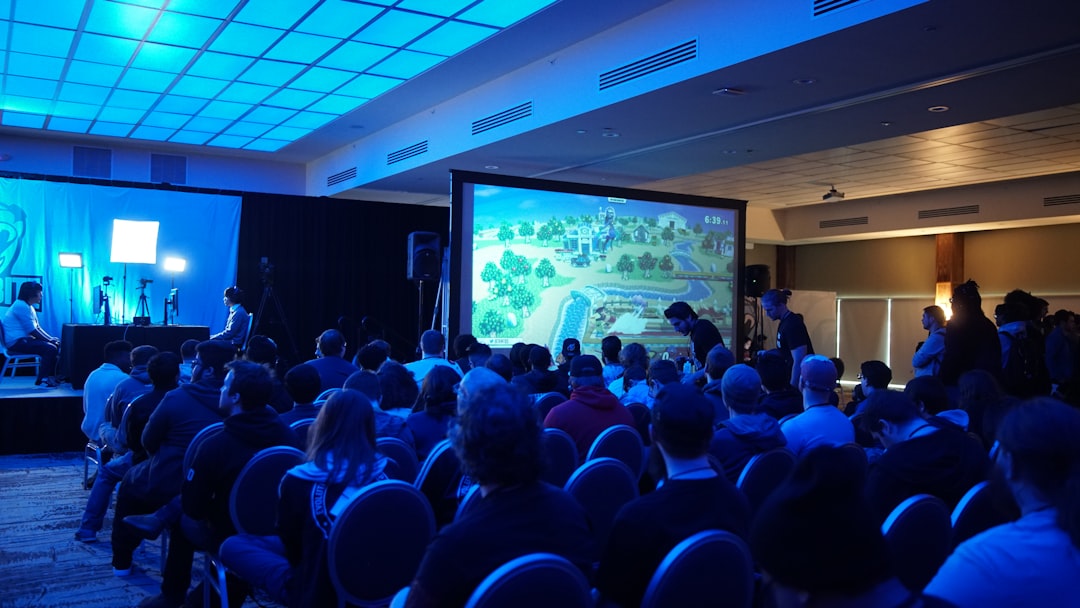
Photo by Stem List on Unsplash
You register for a creative conference in March, pay the $340 early-bird fee, and show up to find the intermediate photography track assumes you already shoot manual mode fluently. You don’t. Three sessions in, you’re lost, the leader is moving too fast, and you spend the afternoon in the hallway instead of the workshop. That $340 didn’t buy you a bad conference. It bought you the wrong one.
With creative conferences 2026 filling up fast across photography, ceramics, writing, and culinary tracks, the volume of options makes this worse, not better. More choices means more chances to pick based on a flashy lineup instead of actual fit. Here’s how to filter for the event that matches where you are and where you’re trying to go.
Match conference track depth to where you actually are
Beginner, intermediate, and advanced tracks exist because skill mismatch kills momentum faster than almost anything else. If you’ve shot three weddings and call yourself intermediate, an advanced lighting intensive built for working pros with five years of studio experience will bury you in jargon you haven’t earned yet.
Be honest about where you sit, not where you want to sit. A writer who has finished one short story is a beginner, even if they’ve read every craft book published since 2015. Pick the track that matches your actual output, not your aspirational identity. You can always move up next year once the fundamentals are locked in.
Read the leader bios before anything else
Session titles get dressed up for the program. "Advanced Composition Techniques" tells you almost nothing. The leader’s actual body of work tells you everything.
Pull up their portfolio before you register. If a ceramics leader’s recent pieces are all large-scale functional ware and you’re chasing sculptural work, their teaching style will pull you toward what they know best, not what you came for. Check their current projects too. A leader still actively working in the field teaches differently than one who’s been running the same workshop deck for six years without touching a camera or a wheel professionally. Look for a leader whose work you’d actually want to make. That’s the person whose feedback will land.
Check the session format, not just the topic

A lecture-only session on "finding your voice" teaches nothing close to what a three-hour critique circle on the same topic teaches. Format shapes the learning as much as content does, and conference programs rarely spell this out clearly.
Some conferences pack eight sessions into a single day, moving fast and covering breadth. Others run one deep, three-hour intensive per day, going narrow but far. If you learn by doing, a lecture-heavy schedule will frustrate you no matter how good the speakers are. If you want broad exposure to different disciplines, an intensive-only conference will feel slow. Check the daily schedule before you register, not the session descriptions.
Verify the commitment level upfront
A full-day intensive starting at 8am with a required pre-workshop assignment demands different prep than a 7pm masterclass you can walk into cold. Check start times and session length before you book travel around it.
Some conferences require submitted work in advance, portfolio reviews scheduled weeks ahead, or gear you need to source yourself. Others let you skip sessions freely without losing thread. Know which kind you’re signing up for. Showing up unprepared to a workshop that assumed three hours of prep work wastes both your time and the leader’s.
Look for peer level in the participant mix

A 40-person conference where everyone shoots film and shares your specific niche will teach you more than a 2,000-person general photography event where half the room is there for the vendor floor. Peer conversations outside formal sessions often teach as much as the sessions themselves.
Check past attendance numbers if the conference lists them. Look for how organizers structure informal time, shared meals, open critique nights, small group breakouts. A conference that packs its schedule with formal sessions and leaves zero room for participants to actually talk to each other will feel isolating even with excellent leaders.
Use the logistics checklist before registering
Venue location, exact schedule, materials provided, cancellation policy. Confirm all of it before you commit money.
Does the registration fee include lunch, or are you on your own for three days in a hotel with no kitchen nearby? Do you need to bring your own gear, or is it provided? What’s the exact commitment date, the point past which you can’t get a refund if your plans change? Wayfield lists these logistics directly on the registration page for most conferences, so you’re not digging through a PDF or emailing three times to find a start time.
Talk to organizers about what you actually want to get
Before you register, message the organizer directly. Tell them your specific goal: "I want to move from portrait work into documentary storytelling" or "I’m trying to sell my first ceramics collection and need pricing guidance." Good organizers will tell you straight if this year’s lineup fits, or point you toward a better-matched event down the road.
Most respond within a day or two, well before registration closes. If an organizer dodges specifics or gives you a generic "it’s for everyone" answer, that’s information too. The right conference has an organizer who can tell you exactly who it’s built for.
Start free on Wayfield, no credit card required.







Leave a Reply