

Photo by Katerina May on Unsplash
You booked the retreat three months ago, paid the deposit, and told your friends you’d be "unreachable for five days." Now it’s the night before, and you’re staring at your suitcase wondering if you packed too many books and not enough patience. That gap between the marketing copy ("find stillness," "reconnect with yourself") and the actual mechanics of a first meditation retreat is where most people get caught off guard. Here’s what actually happens once you arrive.
What a meditation retreat actually looks like
Forget the soft-focus photo of someone meditating alone on a mountain at sunrise. A real retreat day starts with a bell, not a vibe. Most schedules wake you at 5:00 or 5:30am, then move through blocks of sitting meditation, walking meditation, silent meals, short breaks, and instruction from the leader. A typical day includes 6 to 10 hours of formal practice, broken into 30 to 45 minute sits with stretch breaks between them.
The schedule is rigid on purpose. You’re not deciding moment to moment whether to meditate; the bell decides for you. That structure is a relief once you stop fighting it, but on day one it can feel almost militant compared to the loose "practice whenever" rhythm of a home routine.
The silence part: how it works and why
Silence at a retreat isn’t a punishment for talkative people. It means no casual chatting, no phone checking, no lingering eye contact that turns into a conversation. Most centers still let you ask a staff member logistics questions (where’s the bathroom, what time is dinner) using a quiet voice or a note.
The silence is protective, not restrictive. Every conversation you’d normally have, even a two-minute one about the weather, pulls you back into your ordinary social self. Silence removes that off-ramp so the internal work you’re doing during sitting periods has somewhere to land. By day two, most participants stop noticing the silence as absence and start noticing it as space.
Physical preparation matters more than you think
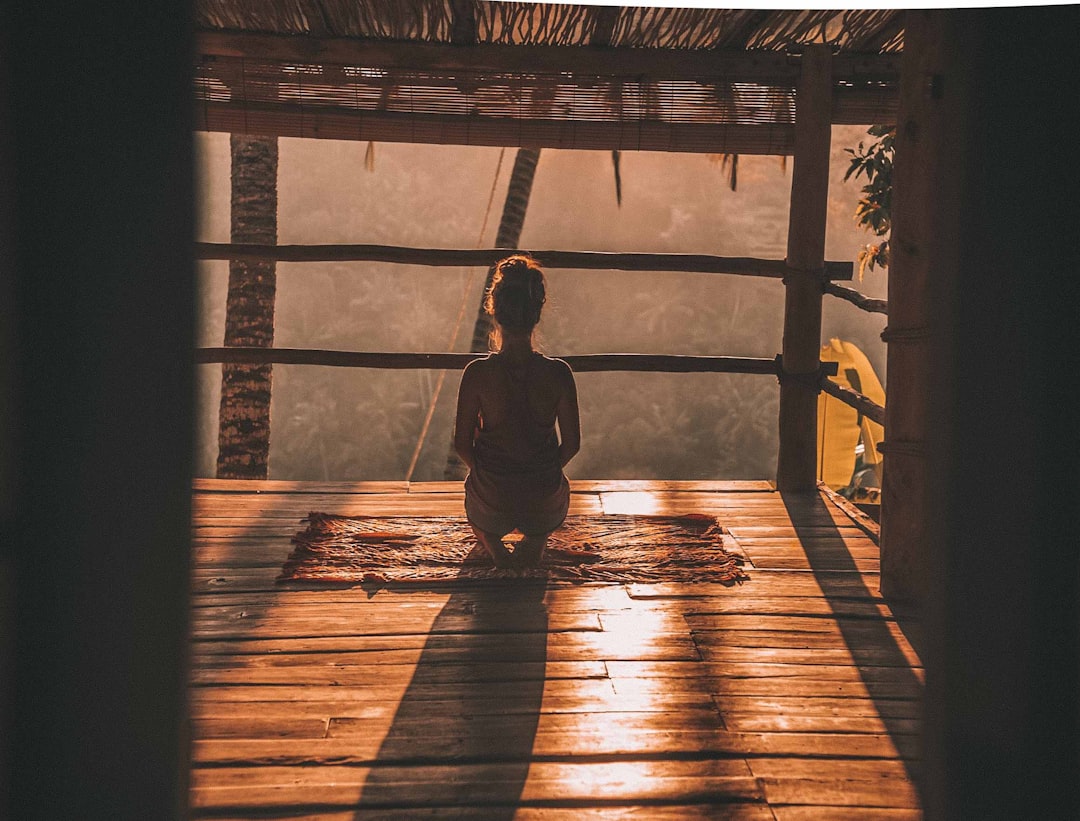
Meditation retreats get billed as mental or spiritual work, but the body does the heavy lifting. You’ll sit on a cushion, bench, or chair for hours a day, and your legs will fall asleep. Your lower back will ache by day two. This is normal, and frustratingly, it’s part of the practice, not a sign you’re doing it wrong.
Wear layers you can adjust without a second thought: comfortable pants, a shirt you’re not precious about. Meditation halls run cold in the early morning and warm by midday. If you know your hips are tight, bring your own cushion or a folded blanket rather than trusting the one provided will fit your body.
What to pack and what to leave behind
Bring comfortable, easy-to-layer clothing, basic toiletries, a journal only if the retreat explicitly allows journaling (many don’t during silent blocks), and your own meditation cushion or bolster if you have a preference. A refillable water bottle earns its keep.
Leave behind the expectation that your phone will be part of your day. Most retreats ask you to power it off during practice windows and store it, sometimes in a locked box, for the duration. Skip the paperback novel too. Reading, journaling, and vigorous exercise (a run, an intense yoga flow) usually get discouraged because they give your mind an exit ramp from the discomfort the retreat is asking you to sit with.
The first 24 hours are hardest
Expect your mind to feel unbearably loud somewhere around hour four. You signed up for peace and instead you’re replaying an argument from six months ago, making a mental grocery list, or wondering if you left the stove on. Boredom, restlessness, and unexpected emotion (a wave of sadness during a sit, tears during walking meditation) are common on day one.
This is the adjustment period, not a sign the retreat isn’t working. Somewhere around day two or three, the noise thins out. The schedule stops feeling foreign. Participants who stick through that first uncomfortable stretch consistently report the practice deepening by the halfway point. The instruction is simple: stay in your seat, and let the discomfort be data, not a verdict.
How to find the right retreat for your first time
A silent 10-day intensive is not a good first meditation retreat. Start with something in the 3 to 5 day range, with a leader who offers real-time instruction rather than assuming you already know the technique. Look for retreats that market themselves as beginner-friendly, with orientation on the first evening and daily guidance rather than pure silent sitting from hour one.
Before booking, read what past participants actually say, not the retreat center’s own copy. Look for comments on pacing ("the sits got longer each day, which helped") and support ("the teacher checked in with beginners individually"). A retreat with 12 to 20 participants and one lead teacher tends to offer more individual attention than one with 60 people and a rotating cast of assistants.
What happens after you leave
The clarity you feel on the drive home is real, and it fades faster than you expect. That’s not failure; it’s integration, and it takes weeks, not days. The retreat gave you a container. Home life doesn’t hand you one automatically.
Build a small home practice, even 10 minutes a day, to anchor what you learned before the retreat’s rhythm disappears entirely. Many retreat centers and independent teachers offer follow-up sessions or short online check-ins in the weeks after, because they know the first month home is where most people either build a lasting practice or let it slide.
If you’re the one organizing retreats rather than attending them, keeping beginners oriented (schedules, packing lists, what silence actually means) is the difference between a retreat that retains people and one that scares them off after day one. Wayfield lets you send that logistics information directly to registered participants before they arrive, so the only surprise on day one is how quiet their mind gets by day three.
Start free on Wayfield, no credit card required.







Leave a Reply